



Mid Century Spanish Artwork
Mid century spanish artwork brings bold oil paintings, works on paper and architectural drawings into a room with striking presence.
Mid Century Spanish Artwork
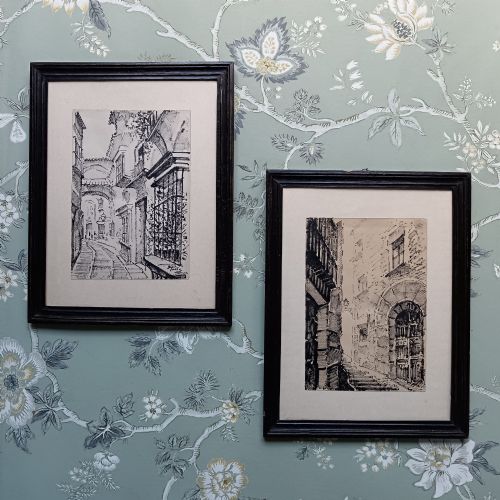
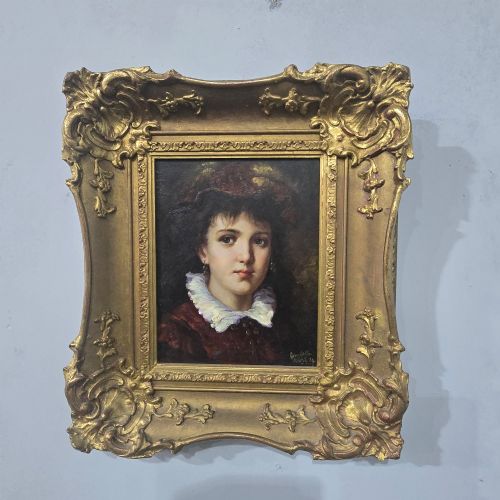
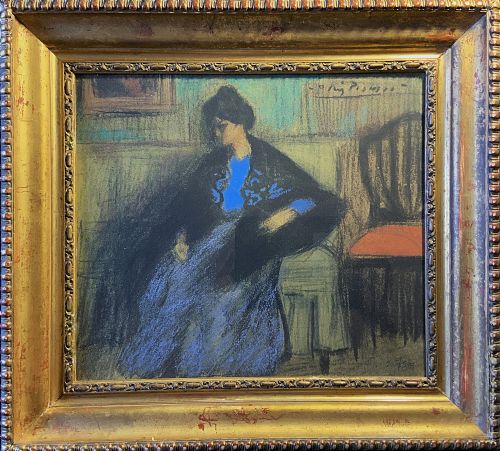
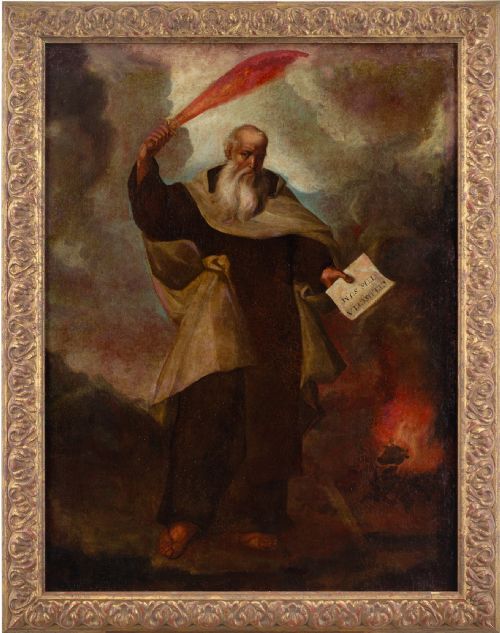
Mid century spanish artwork encompasses paintings, prints and drawings created across the twentieth century alongside earlier historical works from the seventeenth and eighteenth centuries. These pieces range from abstract expressionist compositions and modernist portraits to still-life oil studies and architectural ink drawings.
Buyers encountering mid century spanish artwork will find both contemporary twentieth-century creators and historical pieces attributed to earlier workshops. The forms include framed artwork, wall art and fine art paintings suited for domestic interiors.
Materials and techniques
Artists utilise traditional supports such as canvas, wood, board and paper combined with oil paint, acrylic, ink and watercolour. Works on paper often employ lithograph and pochoir print techniques to achieve layered visual depth.
Framed presentation protects delicate mediums like paper and board behind glass while heavy oil paintings on canvas utilise robust wooden stretcher frames. Applied brushwork ranges from precise architectural ink lines to dynamic abstract strokes.
Mid Century Spanish Artwork Retail Price Guide 2026
Typical asking prices for mid century spanish artwork among the pieces listed under this phrase on Sellingantiques today, from the lower quarter to the upper quarter. They describe what is for sale here now, not the wider market.
Listings incorporate multiple centuries, spanning seventeenth-century religious works through to mid-century modernist abstracts.
Evaluating quality
Quality rests upon the strength of the composition, the handling of the chosen medium and the clarity of attribution to a named artist or recognised school. Masterly brushwork in oil or precise control in ink elevates a piece above standard decorative output.
Condition of the physical support, whether canvas, board or paper, influences the integrity of the artwork. Intact framing, well-preserved pigment without excessive cracking and clean paper surfaces distinguish superior examples.
Jonny Gaston·Pablo Picasso·Juan Ruiz Soriano·Gaspar de Figueroa·Antonio Ferri·Manuel Azpiroz
The Mid Century Spanish Artwork Glossary
- Oil on board
- A painting created by applying oil-based pigments directly onto a rigid wooden or composite board rather than woven canvas.
- Lithograph
- A printmaking method based on the repulsion of oil and water, allowing artists to produce multiple crisp impressions from a single prepared stone or plate.
- Pochoir
- A stencil-based printing technique used to apply vibrant hand-coloured details to fine art prints and book illustrations.
- Spanish Baroque
- A historical artistic movement characterised by dramatic lighting, intense emotional expression and rich detail seen in seventeenth-century religious and portrait works.
- Abstract Expressionism
- A modern artistic style focusing on spontaneous gesture, energetic brushwork and non-representational forms.
Mid Century Spanish Artwork: Frequently Asked Questions
How do I frame antique art?
Protect delicate works on paper behind glass with acid-free mounts to prevent environmental damage over time. Heavy oil paintings on canvas require breathable frames that secure the stretcher without restricting the natural movement of the fabric.
Ensure the hanging hardware matches the weight of the piece and keep the artwork away from direct sunlight and damp conditions to preserve the pigments.
What is the spanish school?
The spanish school refers to artists trained or working within the stylistic traditions of Spain across various centuries. These creators share techniques and thematic approaches passed down through traditional workshops and academies.
Works associated with this designation often display distinct regional characteristics in colour palette, subject matter and religious or cultural motifs.
How do I clean an oil painting?
Dust accumulated on the surface of an oil painting should be removed very gently with a soft, dry brush. Avoid using water, household cleaners or chemical solvents which can strip the protective varnish and damage the underlying pigment.
Professional conservation is recommended for deeper cleaning or addressing any cracking in the paint layer.
Are mid century prints valuable?
Print value depends heavily on the edition size, the reputation of the artist and whether the impression is hand-signed. Limited edition runs and printing techniques involving direct artist intervention command stronger interest among collectors.
Condition and provenance also play significant roles in determining the desirability of modernist prints.