
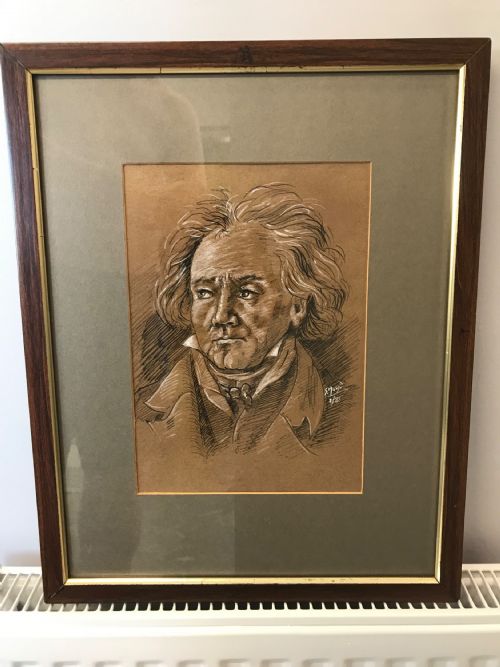
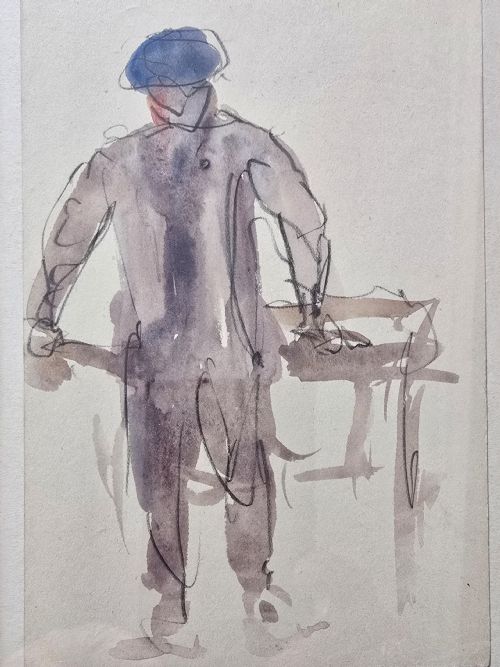


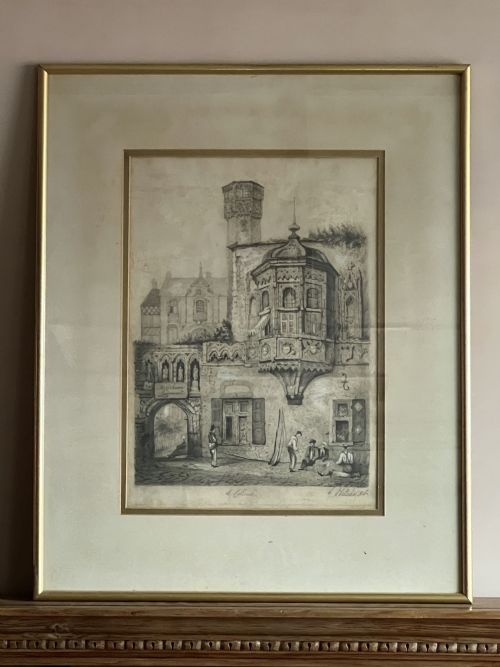

Original Ink and Wash
Original ink and wash works combine line and monochrome tone on paper, offering direct contact with the artist's hand.
Original Ink and Wash
Original ink and wash works span portraiture, landscape studies, and satirical illustration, capturing immediate draughtsmanship on paper. A buyer seeking original ink and wash encounters examples ranging from eighteenth-century Georgian landscapes to twentieth-century British townscapes.
The inventory includes named artists alongside anonymous hands, offering historical breadth from the eighteenth century through to the mid-twentieth century and later.
How they were made
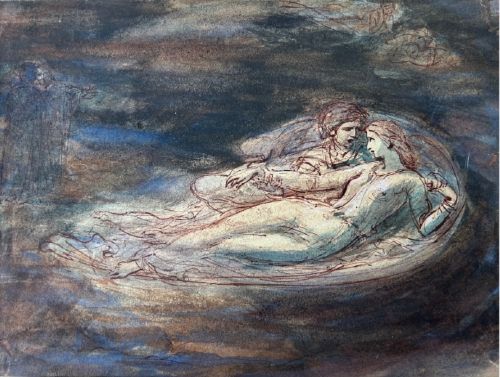
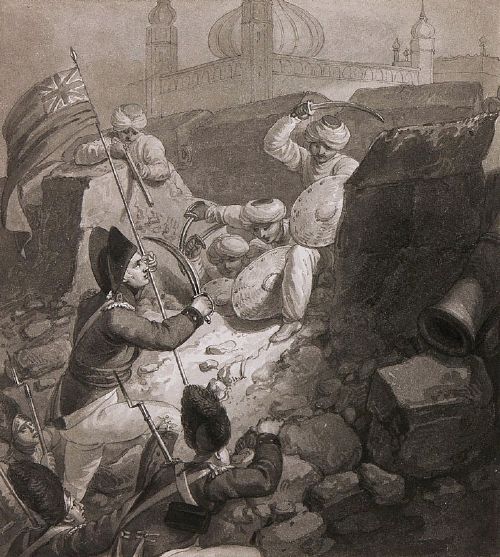
These works rely on paper supports treated with fluid media, primarily utilising ink lines for definition combined with diluted ink, sepia, or watercolour washes to build tone and depth. Gouache highlights appear selectively to add opacity and catch the light.
Artists employed quill or steel pens alongside brushes to apply water-soluble pigments, working directly on paper to record landscapes, figures, and historical narratives.
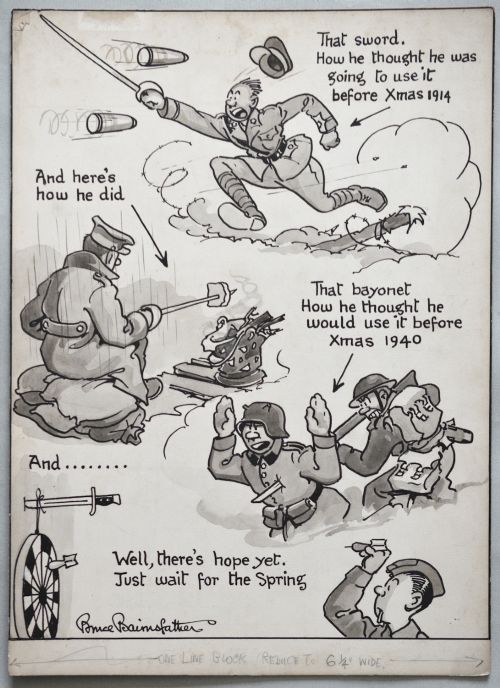
Several drawings capture horses and dogs standing with more patience than their human riders ever managed.
What varies in quality
Quality rests upon the confidence and fluency of the initial draughtsmanship, where assured line work distinguishes a master's hand from a rigid copy. The control of the wash is equally critical, determining whether atmospheric gradients appear luminous or muddy.
Preservation of the paper support and the stability of the ink tones dictate the visual strength of the piece, as exposure to light alters fugitive pigments and paper colour.
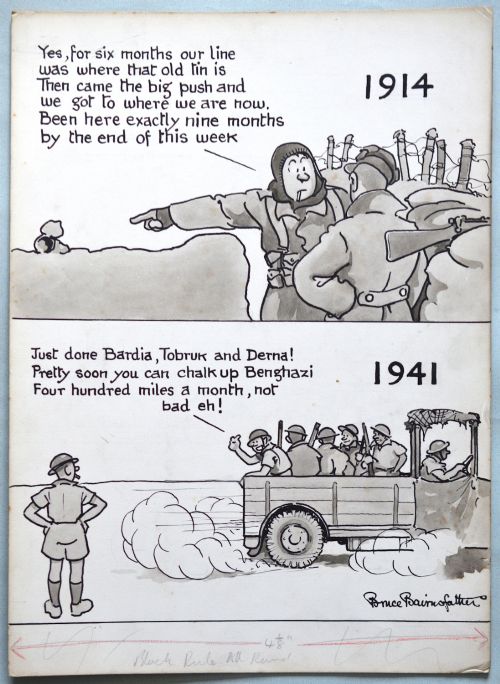
Bruce Bairnsfather·William Marshall Craig·Ludwig van Beethoven·Michael Healy·Stanley Orchart·Edward Dayes·Thomas Rowlandson·Johan Noah Bemmel·Fred Lawson
The Original Ink and Wash Glossary
- Wash
- A thin, semi-transparent layer of diluted ink, watercolour, or sepia applied with a brush to create shadow and tonal depth. It gives form to flat linear drawings.
- Gouache
- An opaque water-based paint composed of pigment, water, and a binding agent such as gum, often used to add highlights. It sits on the surface of the paper rather than soaking in.
- Sepia
- A brownish pigment traditionally derived from the ink sac of the cuttlefish, widely used for monochrome drawings. It yields warm, earthy tones characteristic of period works.
- Capriccio
- An architectural fantasy placing together buildings, ruins, and other architectural elements in a fictional compositional landscape. Artists used this style to explore imaginative views.
Original Ink and Wash: Frequently Asked Questions
How should I frame an ink and wash drawing?
Keep works on paper away from direct sunlight to prevent fading of both ink and wash tones. Use conservation-grade mounts to separate the paper surface from the glass.
Ensure framing materials are acid-free to protect the paper support over time. Proper sealing prevents atmospheric moisture from damaging delicate water-based media.
What is the difference between ink and wash and a pure watercolour?
Ink and wash relies primarily on a strong linear framework drawn in pen, with monochrome or limited washes providing shadow. Pure watercolour builds form entirely through coloured pigment and brushwork with minimal or no preliminary line.
Works designated as ink and wash prioritize draughtsmanship and tonal contrast over a full palette of colours. Monochrome versions often use sepia or black ink exclusively.
How can I tell an original drawing from a reproduction?
Original works reveal underdrawing, pen pressure variations, and the pooling of pigment where the brush or pen settled on the paper. Examining the surface under magnification shows the distinct fibres of the paper rather than a mechanical dot matrix.
Hand-applied washes display subtle brush marks and tonal transitions unique to each application. Reproductions lack the physical dimensionality of ink resting on paper.
Why do some ink drawings change colour over time?
Early iron gall and carbon inks react differently to light and humidity, sometimes shifting from black to warm brown tones over centuries. Paper supports also tone naturally depending on their initial cotton or linen rag content.
Environmental exposure accelerates these chemical shifts, altering the original contrast between the fine lines and the surrounding wash.