



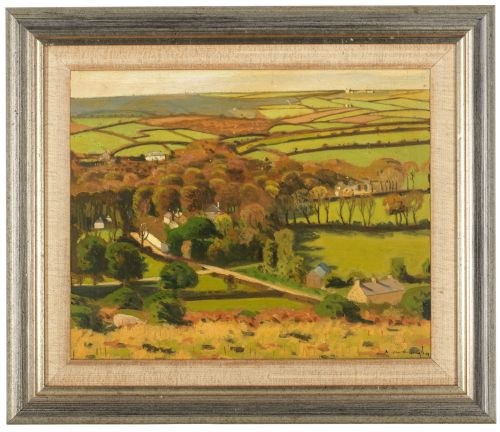
Original Impressionist Painting
An original impressionist painting captures light and movement through visible brushstrokes, offering a direct window into landscapes and domestic scenes from past decades.
Original Impressionist Painting
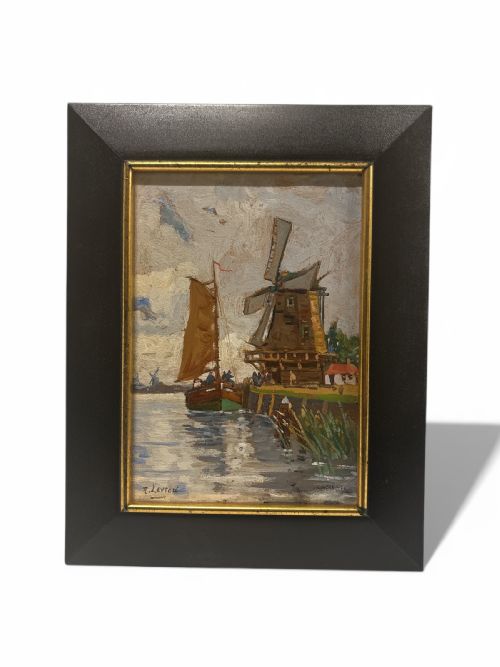
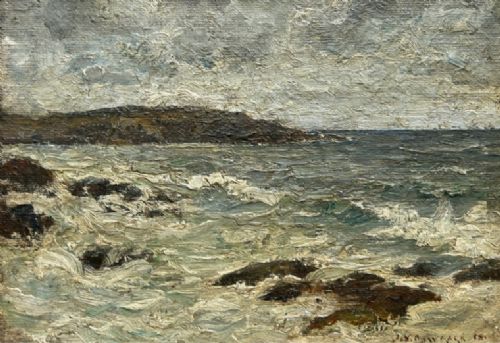
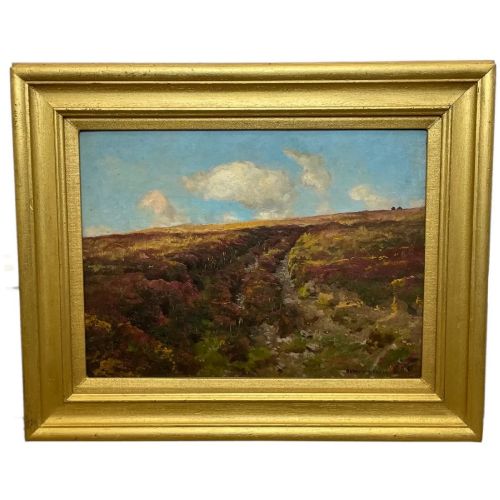
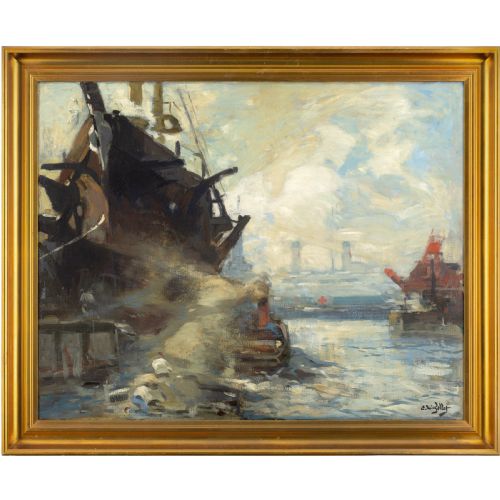
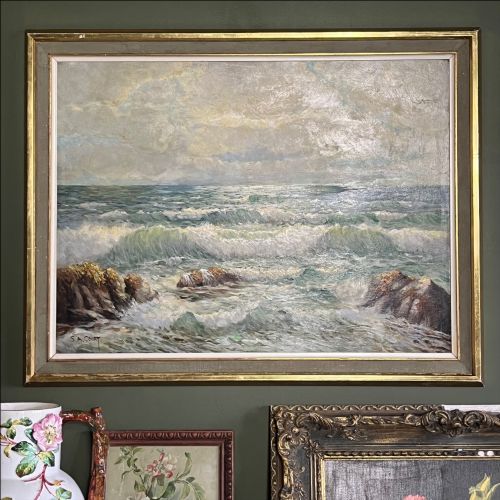
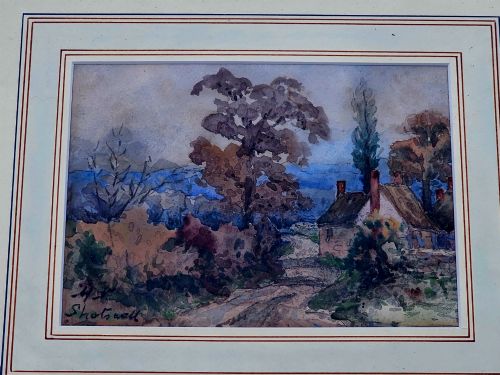
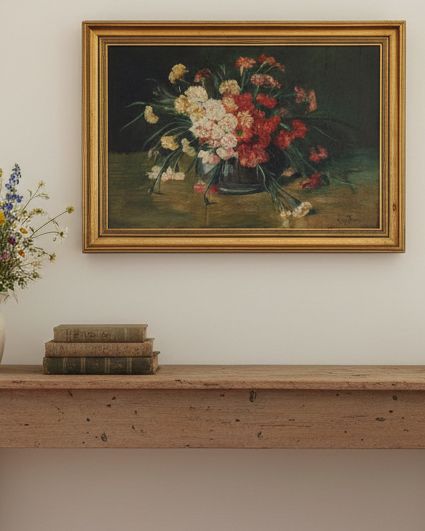
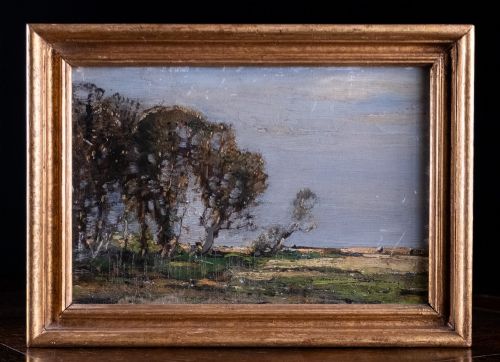
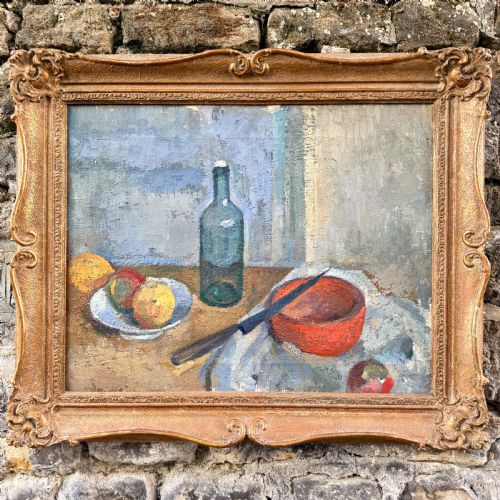
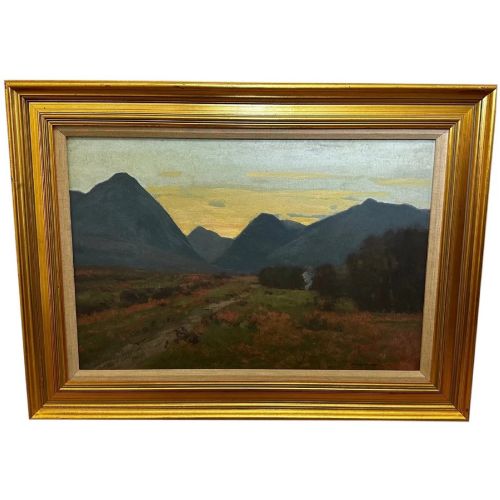
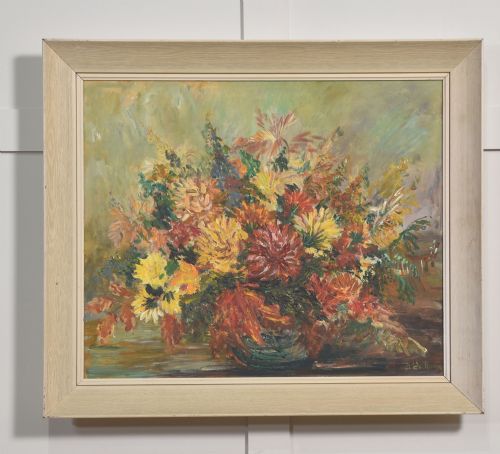
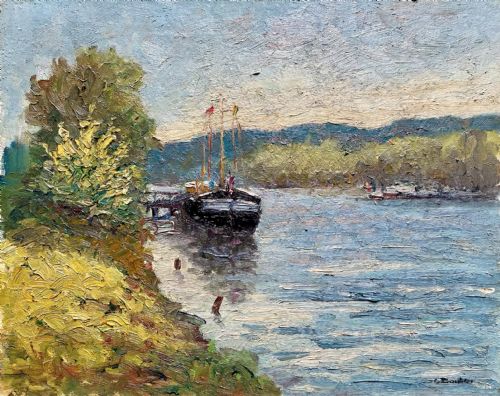
An original impressionist painting focuses on capturing fleeting moments of light and atmosphere rather than hyper-realistic detail. Buyers searching for an original impressionist painting encounter works depicting landscapes, marine views, and still lifes from the nineteenth century through the mid-twentieth century. The selection ranges from British and French scenes to Belgian and Dutch countryside views.
Most pieces on this page utilise oil paint or watercolour applied to canvas, board, or wood panel. Works emerge from established schools such as British Impressionism, Post-Impressionism, and Modern British movements. Artists often worked en plein air to record the immediate effect of natural light on water, foliage, and stone.
How they were made
Artists applied oil paint or watercolour onto prepared surfaces of canvas, wood board, or heavy paper. Many compositions use thick impasto layers to build texture and catch ambient light across the painted surface.
Makers utilised brushes and palette knives to lay down rapid strokes, prioritizing optical mixing of colours over blended transitions. Finished canvases frequently rest within period gilt or decorative wood frames that complement the painting style.
A few artists clearly painted while nursing tea, judging by the occasional stray bristle permanently embedded in the sky.
What varies in quality
Quality rests in the confidence of the brushwork and the artist's command of light and tonal harmony. Superior examples demonstrate deliberate mark-making that defines space and atmosphere with economy, avoiding overworked areas.
Condition of the support material and pigment stability also shape the piece. Works retaining their original stretched canvas and period frame without excessive retouching command greater interest among collectors.
George Graham·Clifford Hanney·Arthur Wardle·Eugène-Louis Gillot·Kershaw Schofield·George Houston·Arthur Gué·Antonio DeVity
The Original Impressionist Painting Glossary
- Impasto
- Paint applied thickly to a canvas or board, leaving prominent brush or palette knife marks that stand out from the surface.
- En plein air
- The practice of painting outdoors directly from the subject to capture natural light and transient atmospheric conditions.
- Post-Impressionism
- An artistic movement following impressionism that explored emotional and structural elements through bolder forms and symbolic colours.
- Gilt
- A thin layer of gold leaf or gold paint applied to wooden frames to provide a decorative metallic finish.
Original Impressionist Painting: Frequently Asked Questions
What subjects do these paintings feature?
The artworks primarily depict rural landscapes, marine settings, coastal harbours, and floral still lifes. Painters recorded everyday scenes such as riverbanks, farmyards, and street views.
Many pieces document specific locations across Britain, France, and Belgium, reflecting regional light and topography through loose brushwork.
How should I care for an oil painting?
Keep paintings away from direct sunlight and dramatic shifts in temperature or humidity to protect the canvas and wood supports. Display them on interior walls with stable environmental conditions.
Dust the surface gently with a soft, dry brush when needed, avoiding any liquid cleaners or harsh chemicals on the painted areas.
Are these paintings signed by the artists?
Many of the listed works feature signatures or initials from the period, while others remain attributed to specific schools or circles. Signatures often appear in the lower corners of the canvas or board.
Unsigned works are judged by technique, material use, and stylistic markers characteristic of their originating period.
What is the difference between canvas and board supports?
Canvas provides a flexible woven surface stretched over a wooden frame, offering slight give under the brush. Board and wood panels present a rigid foundation that painters favoured for smaller en plein air works.
Both supports were widely used across the nineteenth and twentieth centuries depending on the artist's preference for portability and texture.