


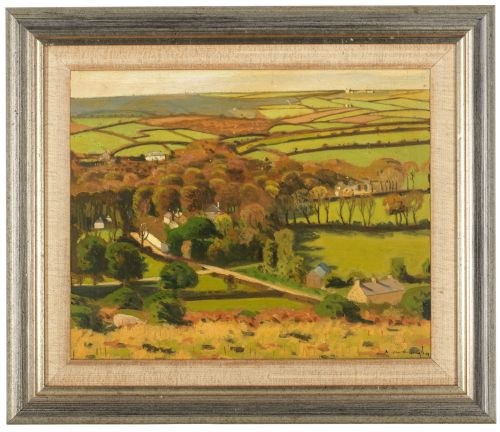
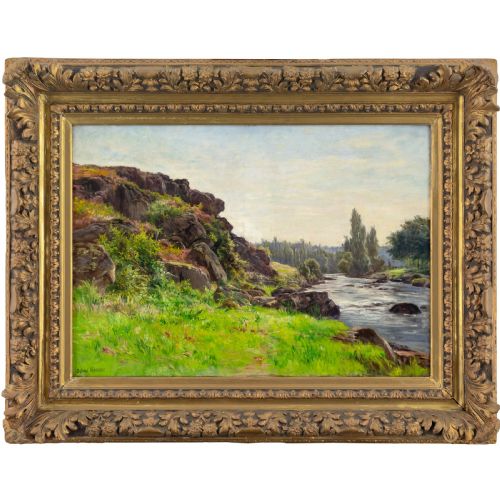
Original Impressionist Artwork
Original impressionist artwork captures fleeting moments of light and atmosphere through textured brushwork on canvas or board.
Original Impressionist Artwork
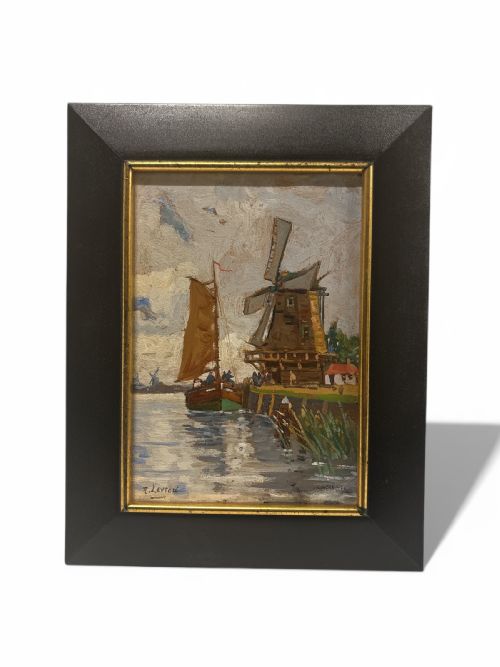
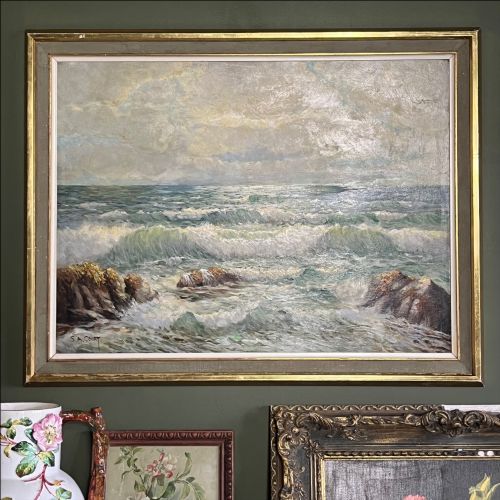
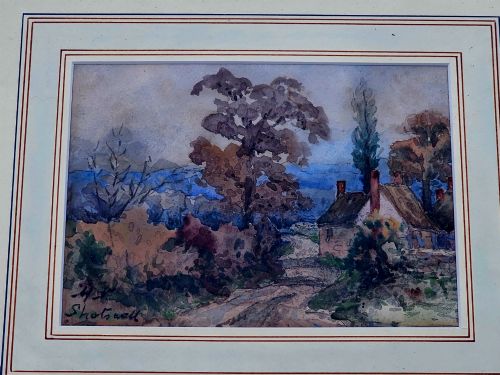
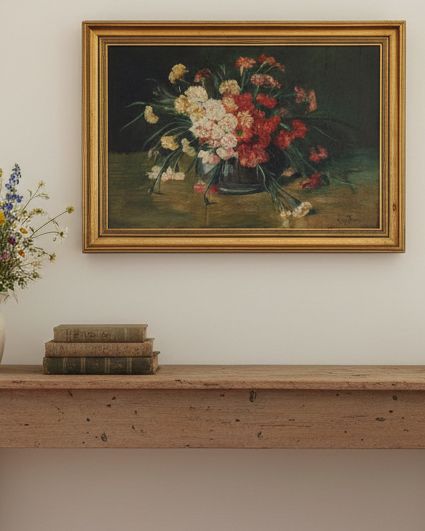
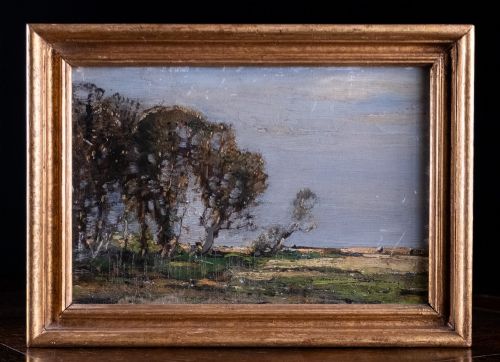
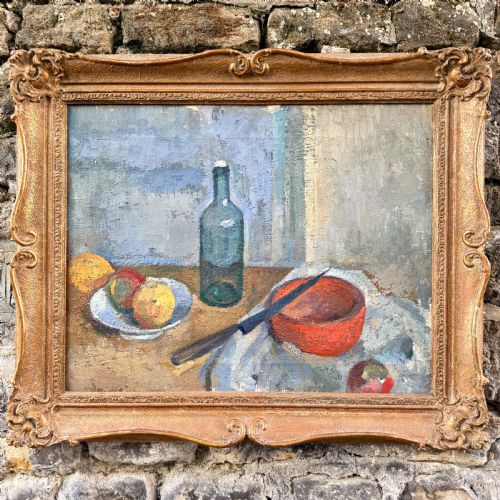
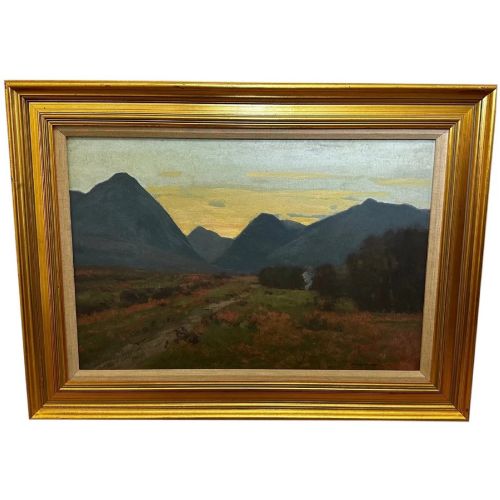
Original impressionist artwork encompasses oil paintings and watercolours created primarily during the nineteenth and twentieth centuries. These pieces record landscapes, marine scenes, still lifes, and domestic subjects observed directly from life.
The selections encountered here range from early twentieth-century British coastal views and French post-impressionist canvases to mid-century depictions of rural and urban scenes. Works span several decades, reflecting evolving regional interpretations of light and colour.
Buyers seeking original impressionist artwork will find compositions executed by named artists and regional schools operating across Britain and continental Europe. Canvases and watercolours dominate the selection, often preserved within period frames.
Materials and Techniques
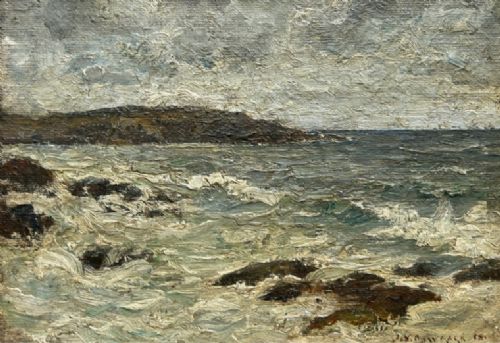
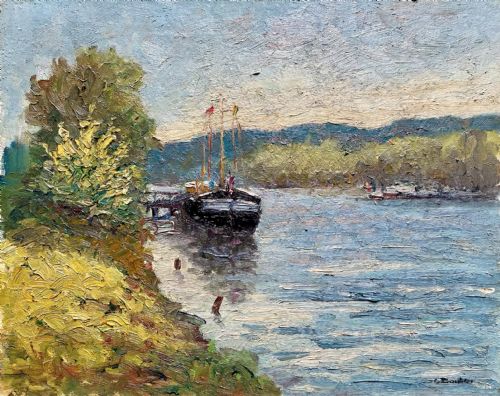
Artists applied oil paint or watercolour onto prepared canvas, wooden board, or paper supports using energetic, visible brushstrokes. En plein air methods allowed painters to capture changing outdoor light directly on location.
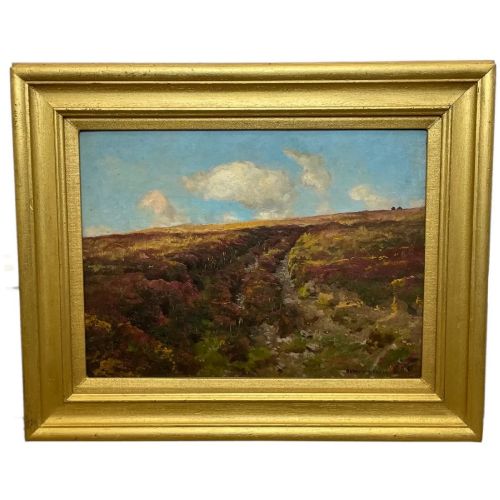
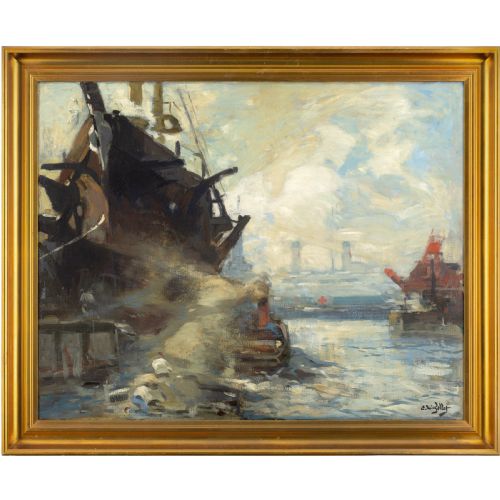
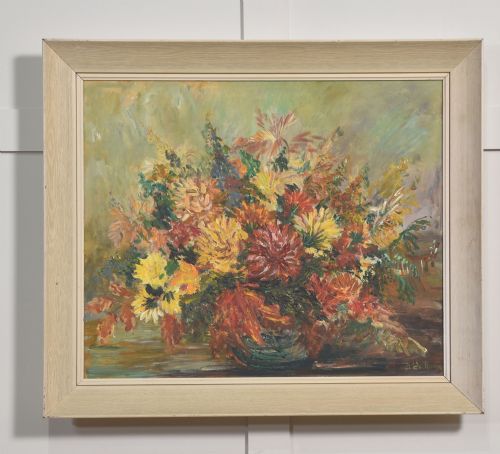
Impasto techniques built up thick layers of pigment to create tactile surfaces that reflect light across the composition. Many surviving pieces retain their original wooden and gilt frames, which complement the painted surface.
Listings feature oil paint, canvas, board, and gilt frames across periods spanning the nineteenth century to beyond nineteen sixty.
Distinctions in Quality
Quality rests upon the confidence of the brushwork and the artist's ability to render atmosphere and natural light convincingly. Stronger compositions demonstrate a purposeful handling of tone and colour harmony across the entire surface.
The preservation of the pigment layer and the structural integrity of the canvas or board influence the overall integrity of the piece. Works that retain their original framing and untouched painted surfaces command greater interest.
Arthur Wardle·Eugène-Louis Gillot·George Houston·Kershaw Schofield·Antonio DeVity
The Original Impressionist Artwork Glossary
- Impressionism
- A nineteenth-century painting style focusing on the visual impression of the moment, particularly shifting light and ordinary subject matter.
- En plein air
- The practice of painting outdoors to capture direct observations of natural light and weather.
- Impasto
- Paint applied thickly to a canvas or board, leaving the marks of the brush or palette knife visible.
- Post-Impressionism
- An artistic development following impressionism that extended its use of vivid colours while emphasising geometric forms or expressive brushwork.
Original Impressionist Artwork: Frequently Asked Questions
How do I identify an impressionist painting?
Impressionist paintings are characterised by visible, rapid brushstrokes and an emphasis on light and its changing qualities. Subjects are typically drawn from everyday life, landscapes, and marine scenes rather than historical or mythological narratives.
Examination of the surface often reveals thick paint application and unblended colours placed side by side to be mixed by the viewer's eye from a distance.
What is the difference between canvas and board?
Canvas is a woven fabric stretched across a wooden frame, offering slight flexibility and a textured surface suited to layered oil paint. Board provides a rigid support made from wood pulp or compressed material, often found in smaller outdoor studies.
Both supports were widely utilised by painters working outdoors, though board typically requires careful storage to prevent warping over time.
How should I care for an oil painting?
Oil paintings on canvas or board benefit from stable indoor environments away from direct sunlight and excessive humidity. Regular gentle dusting with a soft, dry brush keeps the surface clear of particles.
Avoid using liquid cleaners or abrasive materials on the painted surface or the surrounding gilt frame to preserve the original materials.
Are watercolours different from oil paintings?
Watercolours utilise pigments suspended in a water-based solution applied to paper or board, creating transparent washes of colour. Oil paintings use pigments bound in drying oils, resulting in opaque layers that dry slowly and allow extensive reworking.
Watercolour works require protective glass framing to prevent moisture damage, whereas oil paintings on canvas remain exposed to the air.