

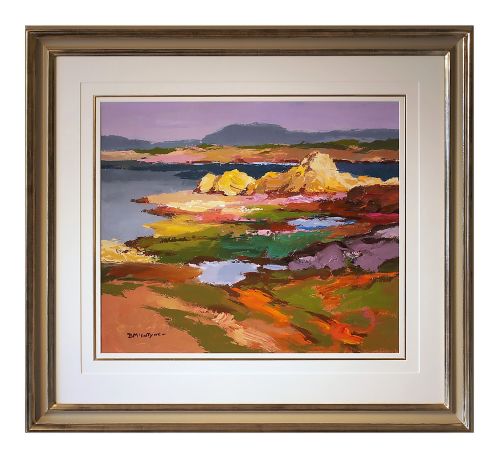
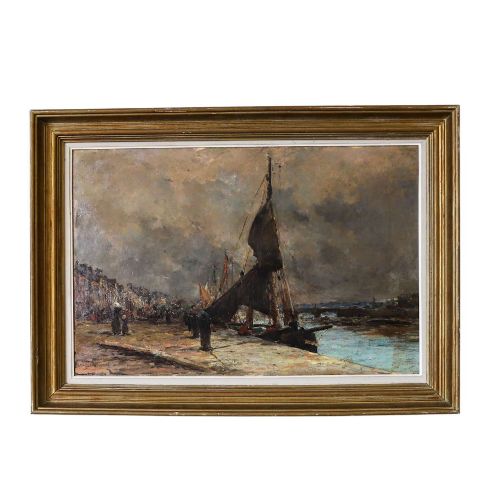
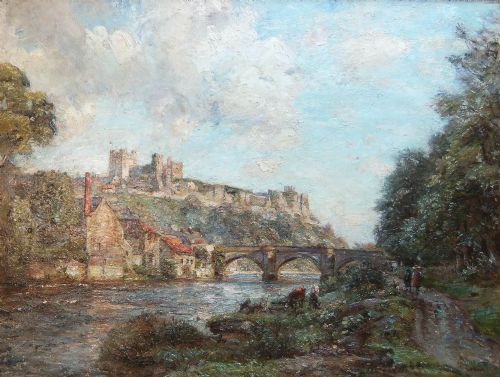

Original Impasto Canvas Artwork
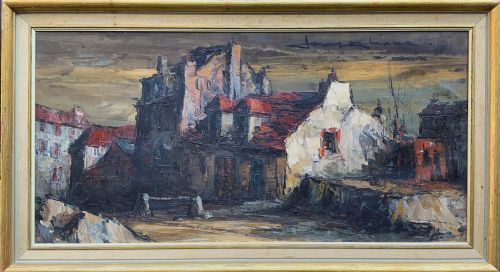
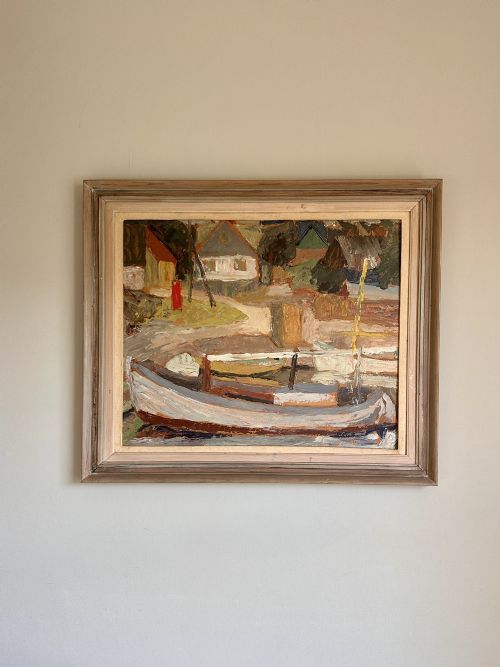
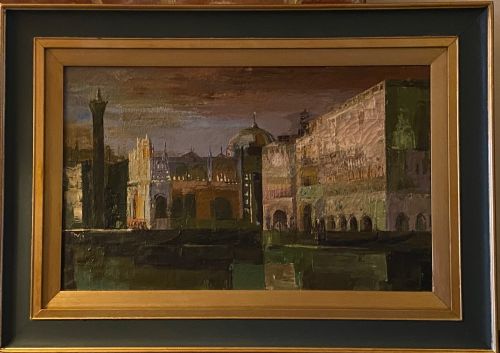
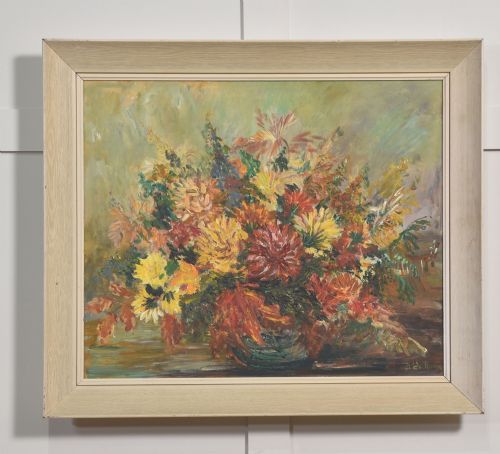
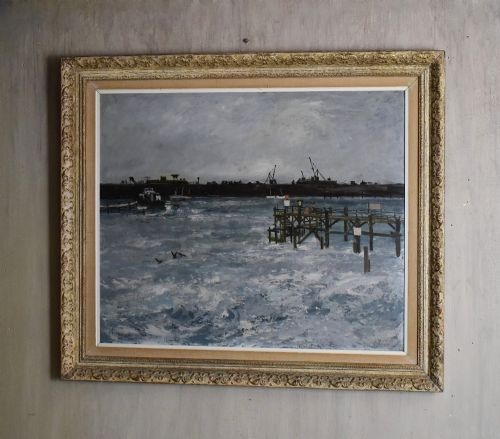
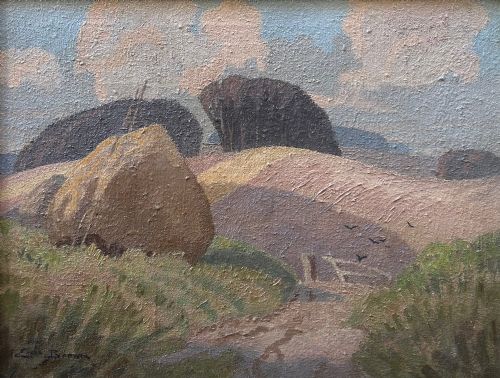
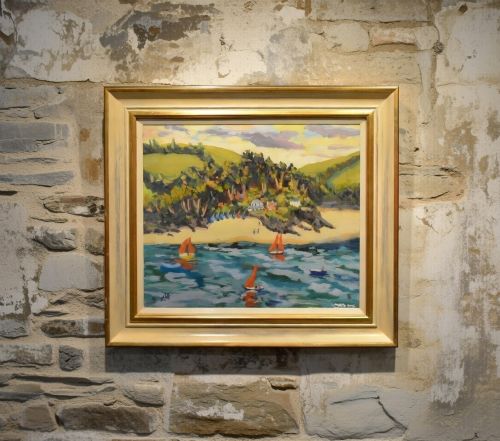
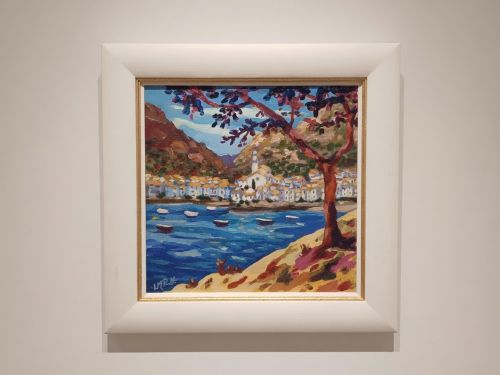
Original impasto canvas artwork brings tactile weight to walls through thick, built-up layers of paint that catch the light.
Original Impasto Canvas Artwork
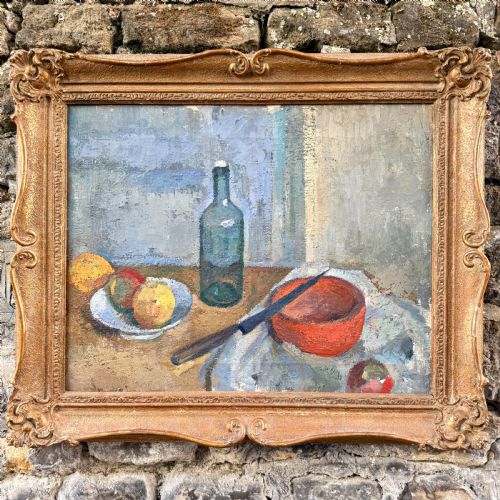
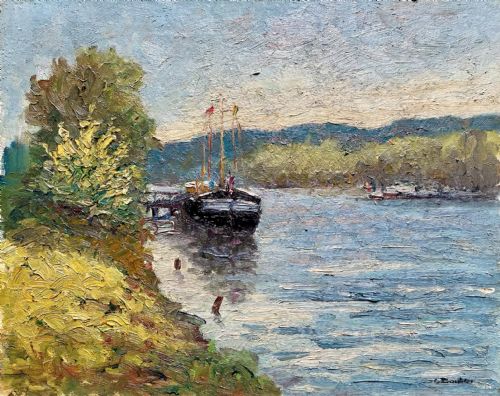
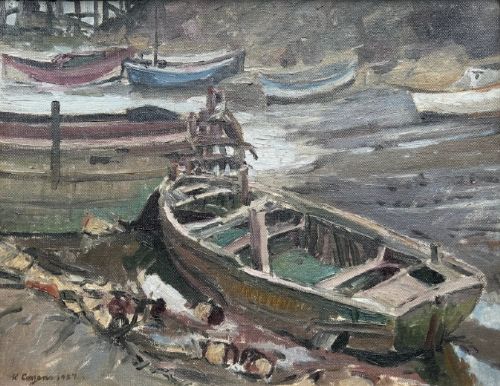
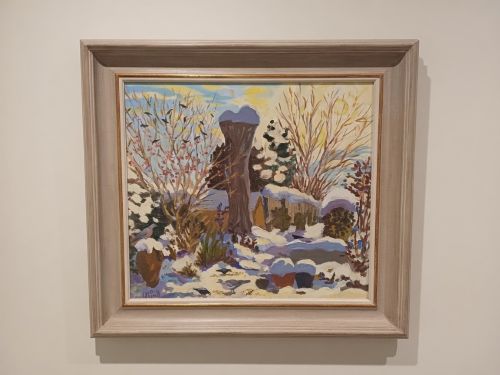
Original impasto canvas artwork consists of painted surfaces where pigment sits proud of the support, creating physical texture and relief. When browsing original impasto canvas artwork, you encounter oil paintings spanning the nineteenth century through the mid-twentieth century, including British Impressionism, Post-Impressionism, and Mid-Century Modern styles.
The subjects on this page range from coastal landscapes and industrial townscapes to intimate floral still lifes and figurative studies. Many pieces originate from British and French hands, capturing scenes from northern townscapes to sunlit continental harbours.
Dated works cluster heavily around the nineteen-fifties and nineteen-sixties, alongside earlier twentieth-century and nineteenth-century examples. Forms vary from framed landscape oil paintings to abstract cityscapes and vigorous portraiture.
Materials and Construction
Artists built these works using oil paint applied thickly to canvas, board, or wood supports, often utilising brushes or palette knives to lay down substantial ridges of pigment. The resulting surfaces retain the physical trace of the maker's hand and tool.
Many paintings are housed in period frames of gilt wood or plain timber that complement the substantial physical presence of the canvas. The combination of oil medium and rigid support ensures enduring stability for the raised impasto surfaces.
Original Impasto Canvas Artwork Retail Price Guide 2026
Typical asking prices for original impasto canvas artwork among the pieces listed under this phrase on Sellingantiques today, from the lower quarter to the upper quarter. They describe what is for sale here now, not the wider market.
Listings feature oil paintings on canvas and board spanning from the nineteenth century through the nineteen-sixties.
Factors of Quality
Quality rests upon the confidence of the handling and the cohesion between the thick pigment and the underlying composition. Stronger works demonstrate purposeful manipulation of paint where the relief serves the light and form rather than masking a weak drawing.
The distinction between standard decorative pieces and finer works lies in the subtlety of the colour palette and the surety of the brushwork. Masterly placement of thick pigment creates a convincing sense of space and atmosphere.
Kenneth Cozens·Lucy Pratt·Peter Brannan·Eric Brown·Donald McIntyre·Herbert Royle·Lilian Colbourn·Ronald Ossory Dunlop·Helen Layfield Bradley·Jean-Baptiste Olive·Gaetan Dumas·Gabriel Dauchot·Baruch Shalom Oskotsky·Matthew Smith·Cecil R Doyly John
The Original Impasto Canvas Artwork Glossary
- Impasto
- Paint applied thickly to a canvas or panel so that it stands out from the surface, retaining the marks of the brush or palette knife. This technique introduces a sculptural quality to two-dimensional paintings.
- Post-Impressionism
- An art movement developing roughly from the eighteen-eighties that extended impressionism while rejecting its limitations. Artists emphasised symbolic content, heavy weight, and distinct brushstrokes.
- Board
- A rigid flat panel used as a painting support instead of stretched canvas. Artists frequently utilised wooden boards for smaller oil sketches and townscapes.
- Gilt Wood
- Timber framing finished with a thin layer of gold leaf or metallic gilt paint. These frames add warmth and historical context to mid-century and nineteenth-century canvases.
Original Impasto Canvas Artwork: Frequently Asked Questions
What is impasto paint?
Impasto is a technique where paint is laid onto a canvas in very thick layers, often thick enough that the strokes of the brush or palette knife remain clearly visible.
This method allows the dried paint to stand proud of the surface, catching the light and casting tiny shadows that give the artwork a tangible, three-dimensional depth.
How do I care for textured oil paintings?
Textured oil paintings require gentle maintenance because their raised surfaces can accumulate dust in the small crevices between the thick brushstrokes.
Use a very soft, dry artist's brush to lightly sweep across the surface, and avoid using damp cloths or cleaning solutions that might disturb the stable oil pigment.
How can I tell the period of a canvas?
Dating a canvas involves looking at the style of painting, the framing materials, and any signatures, dates, or inscriptions written on the reverse of the stretcher bars.
Mid-century works often favour brighter modernist palettes and bolder abstract forms, while nineteenth-century and early twentieth-century pieces typically display more traditional tonal harmonies.
Were these painted outdoors?
Many landscape and coastal pieces were painted en plein air, allowing artists to capture fleeting effects of light and weather directly onto their canvas or board.
Studio works, such as still lifes and portraits, allowed artists more time to build up complex layers of thick impasto over multiple sessions.