

Original French Landscape Art
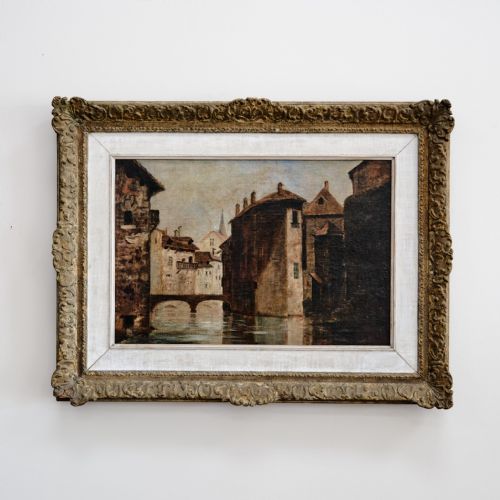
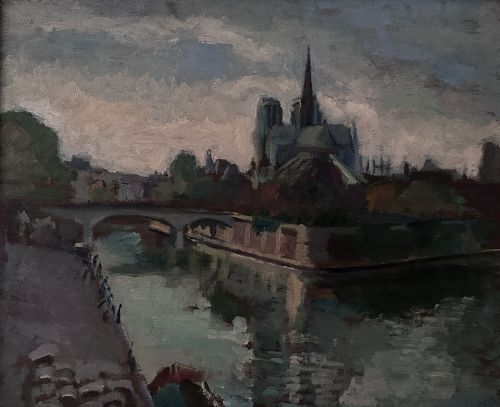
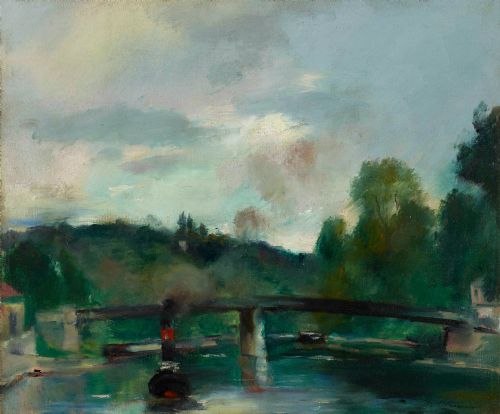
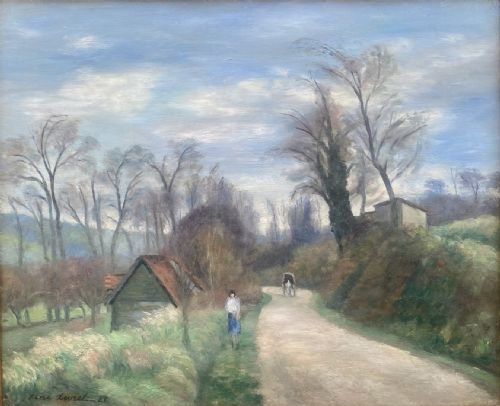
Original french landscape art captures rural and urban scenes through brushwork that developed across the nineteenth and twentieth centuries.
Original French Landscape Art
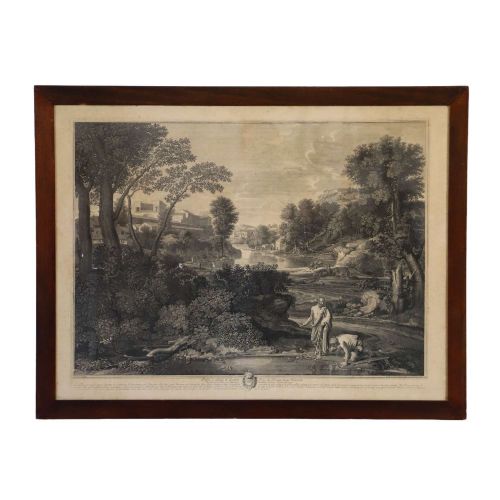
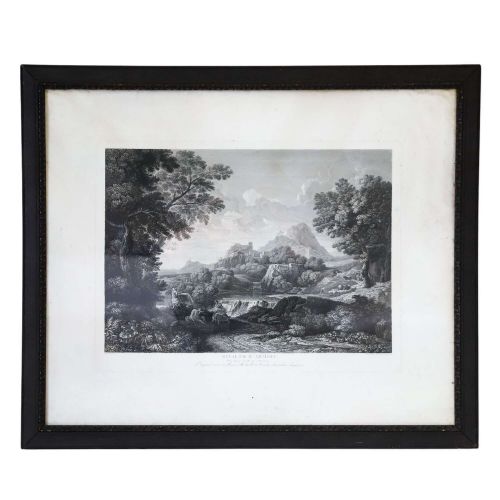
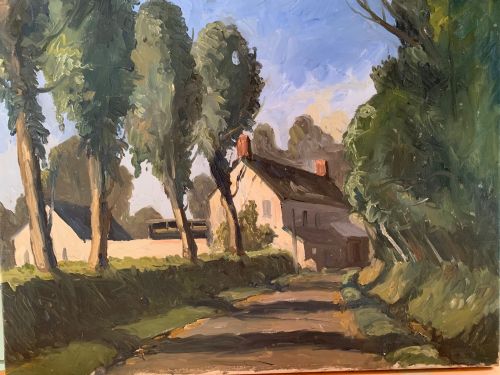
When searching for original french landscape art, collectors encounter oil paintings, watercolours, and engravings spanning periods from the eighteenth century to the mid-twentieth century. The selection leans heavily towards nineteenth-century works and pieces created through the early decades of the twentieth century.
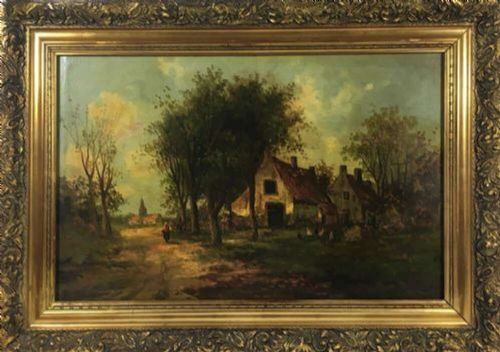
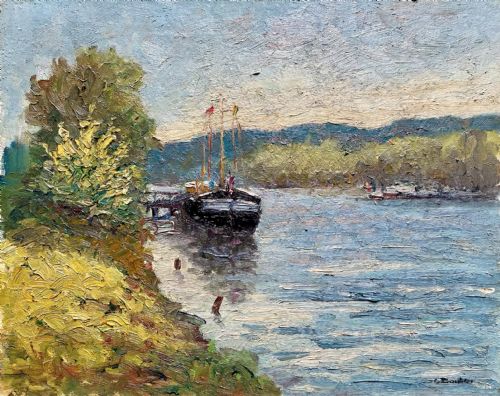
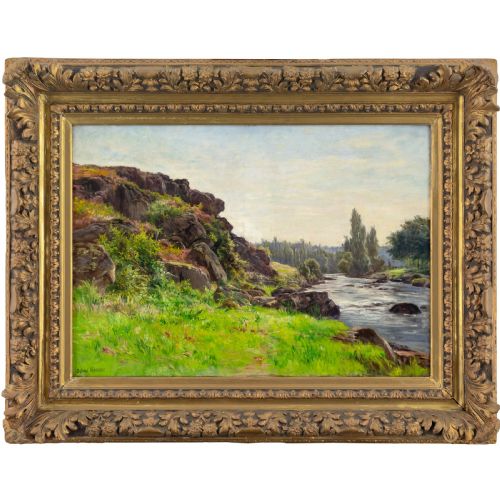
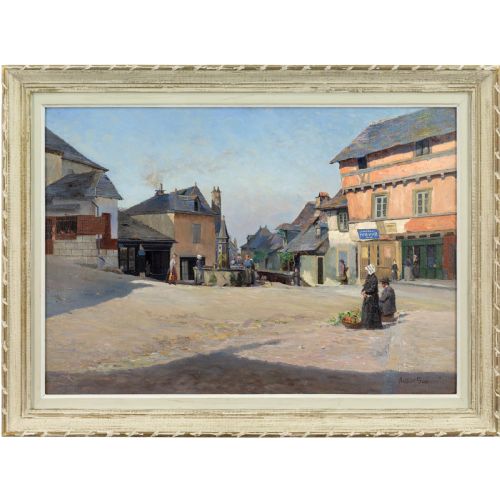
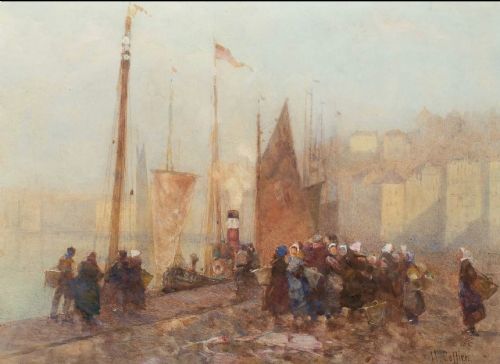
Most entries present rural vistas, river scenes, and coastal views from regions such as Normandy, Brittany, and Paris. Works associated with the Barbizon School and various phases of Impressionism and Post-Impressionism appear regularly across the listings.
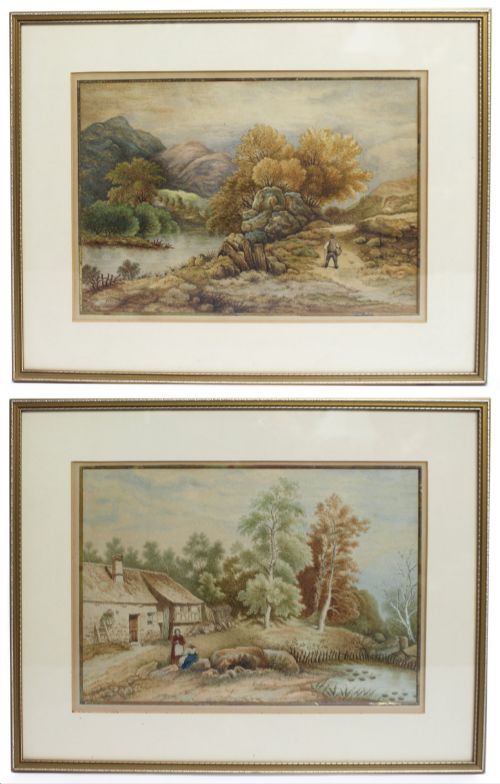
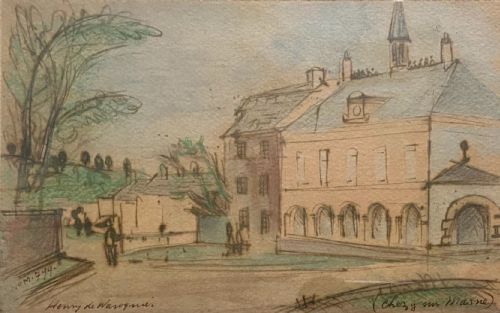
Buyers also find mixed media drawings, gouache paintings, and architectural prints depicting market squares and chateaux. These pieces range from intimate watercolours on paper to large canvas compositions.
Materials and Techniques
Artists painted primarily with oil paint on stretched canvas or wood panels, building texture with layered brushstrokes. Watercolours and inks on paper provide lighter, more fluid representations of light and atmosphere.
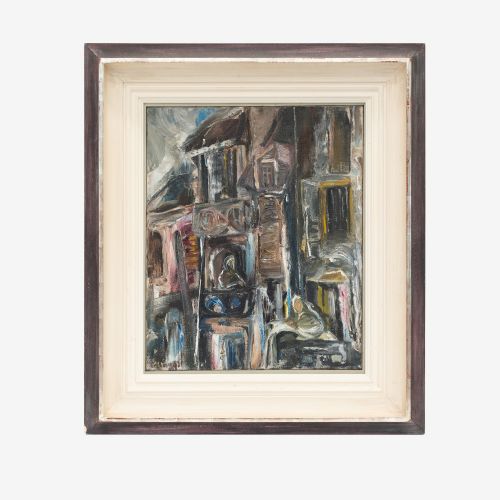
Engravings utilise etched metal plates to transfer detailed topographical and narrative scenes onto paper. Original frames constructed from wood and glass frequently accompany these works, preserving the piece from environmental wear.
Listings feature canvases, watercolours, and engravings spanning from the eighteenth century to the mid-twentieth century.
Quality Variations
The sophistication of brushwork and the artist's command of light distinguish finer works from simpler decorative pieces. Stronger compositions demonstrate a deliberate handling of perspective and atmospheric depth.
Condition of the support material and pigment stability also influence value. Intact original frames and clear signatures by documented artists elevate the standing of a piece within the field.
Étienne Baudet·Th. Thibault·Hector Caffier·Henri Ottmann·Rene Levrel·Paul Désiré Trouillebert·Henry de Waroquier·Honore Cavaroc·Charles Clair·Henri Jaques Delpy·Paul-Jean Anderbouhr·Gaston Cornil·Raymond Moritz·Louis Suire·Gustave Vidal·Jean-Baptiste Olive·William Lee Hankey·André Prévot-Valéri·Gabriel Dauchot·Mario Pinetti·Arthur Kemp Tebby·Charles Jean Agard·Kevin Platt
The Original French Landscape Art Glossary
- Barbizon School
- A nineteenth-century French art movement focused on realistic, direct observation of nature and rural landscapes. Painters associated with this group worked outdoors to capture natural light and texture.
- Canvas
- A heavy woven fabric stretched across a wooden frame to serve as a sturdy support for oil paintings. It provides the necessary tooth for heavy impasto and layered brushwork.
- Gouache
- An opaque water-based paint that produces a heavier, more saturated finish than traditional watercolour. Artists utilise it on paper to achieve solid blocks of matte colour.
- Post-Impressionism
- A diverse artistic movement following Impressionism where painters explored emotional and structural elements through bold colours and distinct forms. It bridges traditional representation and modern abstraction.
- Provenance
- The documented history of ownership of an artwork, establishing its authenticity and lineage. A traced provenance provides confidence in the attribution of a signed piece.
Original French Landscape Art: Frequently Asked Questions
What periods do these landscapes cover?
The listings encompass works from the eighteenth century through the mid-nineteenth century and into the mid-twentieth century. Barbizon and Impressionist periods are particularly well represented.
Individual artists span generations from the early 1800s to later modernist periods, reflecting shifts in French painting styles over two centuries.
How do I identify a Barbizon School painting?
Barbizon pieces focus on unpretentious rural scenery, agricultural life, and forests rendered with earthy tones and direct observation. Artists in this tradition emphasised naturalism over classical idealism.
Brushwork tends to be textured yet controlled, capturing atmospheric conditions and the dense foliage of the French countryside.
What is the difference between oil and watercolour listings?
Oil paintings utilise heavy pigments on canvas or board, allowing for thick impasto and deep colour layering. Watercolours employ translucent washes on paper, offering delicate atmospheric effects.
Oils were typically created for formal exhibition or gallery display, while watercolours often served as direct plein air studies or finished works on paper.
How should I care for an antique framed painting?
Keep works away from direct sunlight and fluctuating humidity to prevent canvas warping and pigment degradation. Glass fronts on watercolours and engravings protect the paper from airborne dust and moisture.
Dust wooden frames gently with a dry cloth and avoid chemical cleaning agents on both the artwork surface and the period frame.