

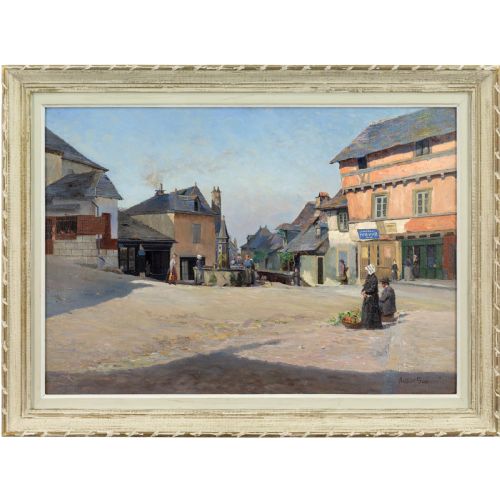
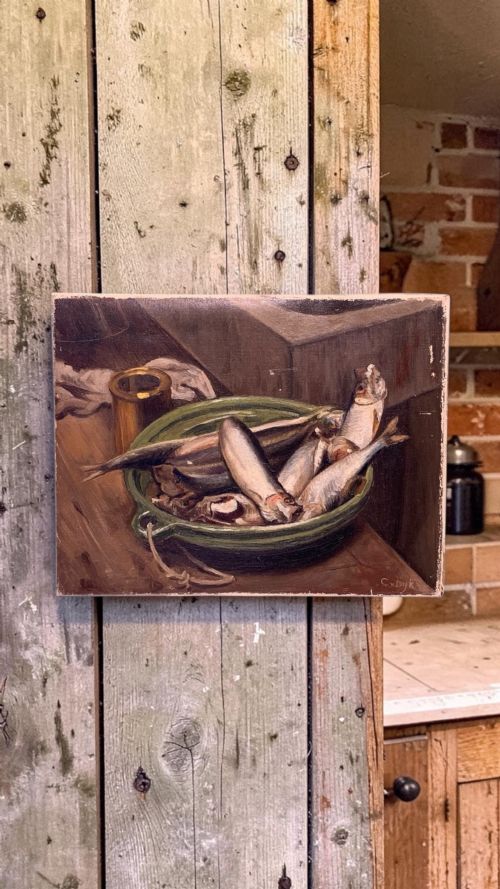
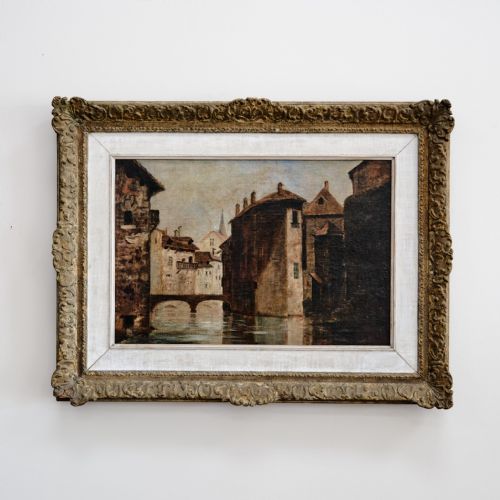
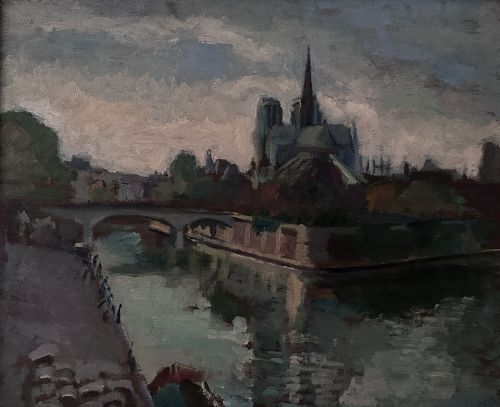

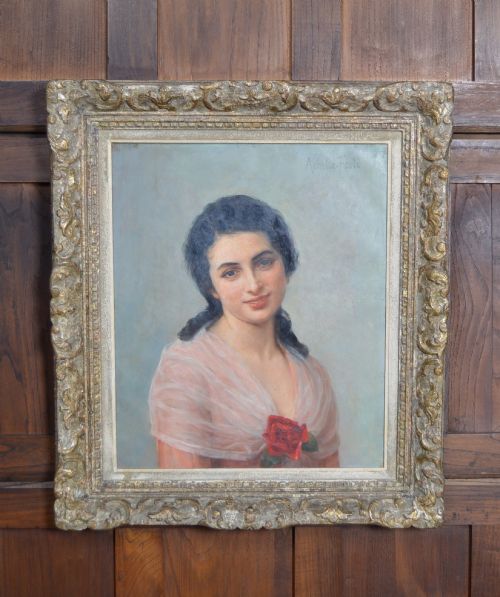
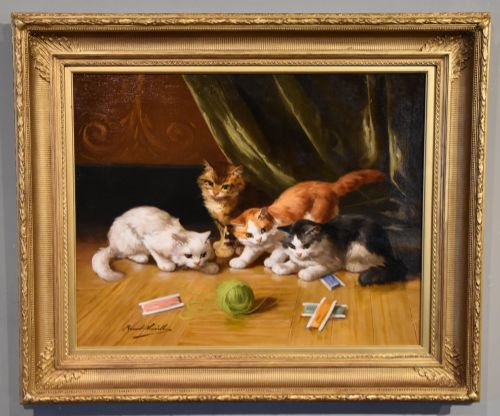
Original French Canvas Painting
An original french canvas painting brings tactile depth and European atmosphere into a room through historic oil pigments worked directly onto woven textile supports.
Original French Canvas Painting
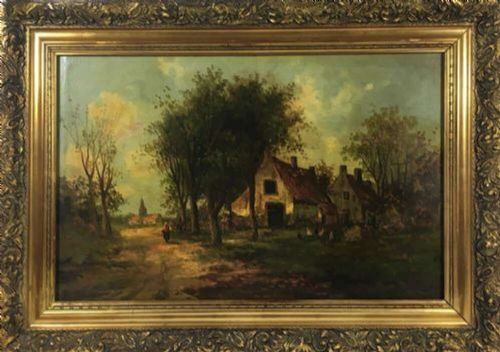
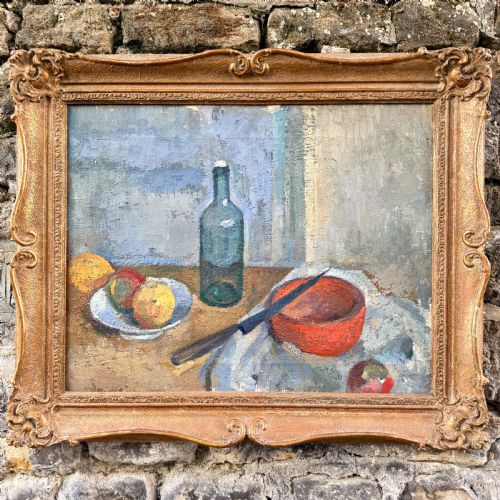
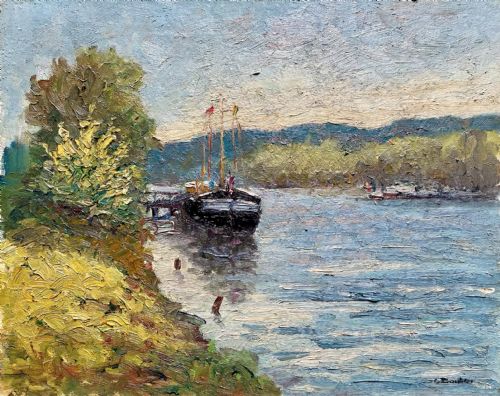
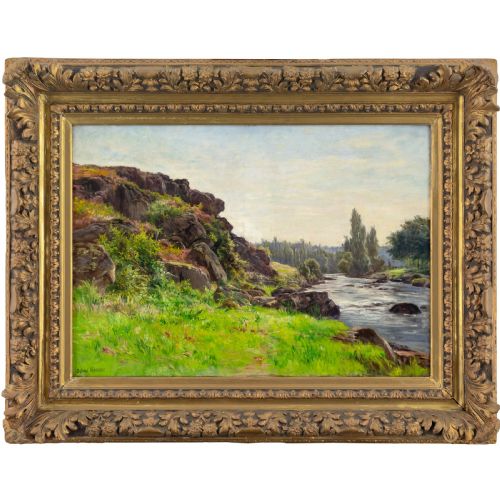
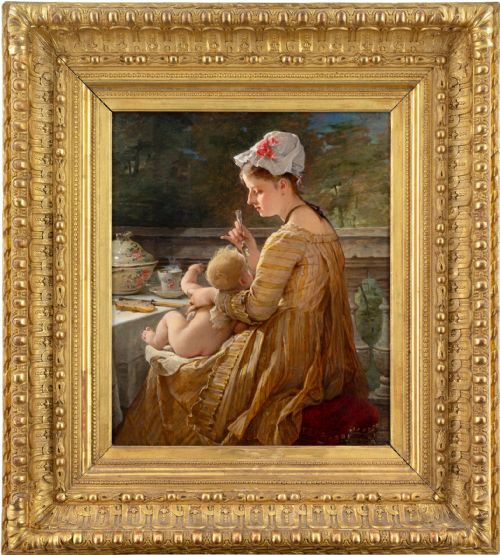
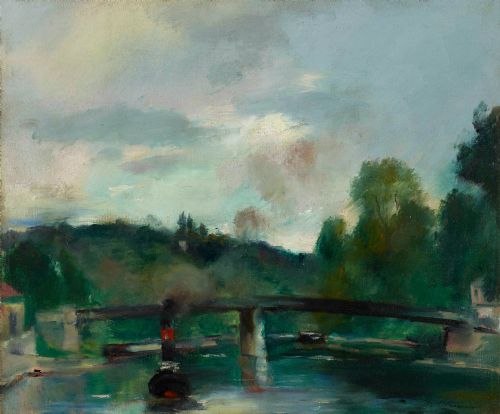
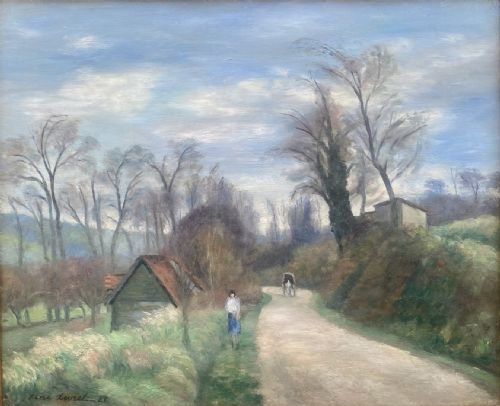
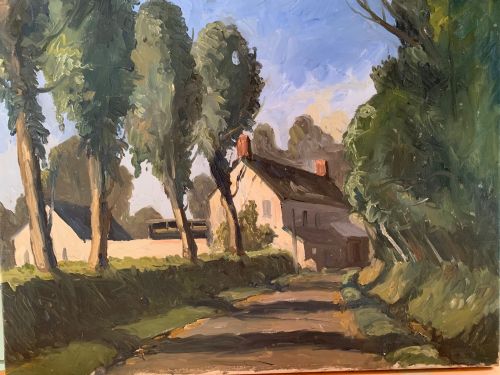
An original french canvas painting encompasses centuries of continental artistry, stretching from nineteenth-century realism and Barbizon landscapes through to mid-century expressionist compositions. Buyers searching for these works encounter diverse subjects including rural farmyards, bustling Parisian street scenes, coastal harbours, and intimate portraiture.
The selections available span multiple decades of European creativity, highlighting how artists documented changing landscapes and social scenes across France. Works range from tightly rendered nineteenth-century academic studies to looser impressionist and post-impressionist interpretations executed on woven grounds.
Most examples originate from identifiable regional schools or individual artists working within established traditions of oil painting. Whether depicting the cliffs of Normandy, the riverbanks of the Seine, or quiet domestic interiors, each canvas preserves a distinct historical viewpoint.
Materials and Construction
Artists built these works using traditional oil paints applied to stretched canvas supports, often framed in gilt wood or timber mouldings. The combination of bound pigment and woven plant fibres creates a resilient surface that responds distinctively to light and ageing.
Preparation of the support typically involved applying a sizing layer and primer to the canvas before brushwork commenced. Painters utilised various techniques, from smooth chiaroscuro blending to thick impasto strokes, depending on the stylistic demands of their chosen period.
Materials documented in the archive include stretched canvas, oil pigments, timber stretchers, and period gilt wood frames.
Assessing Artistic Merit and Condition
Quality rests upon the confidence of brushwork, compositional balance, and the artist's ability to capture light and atmosphere within the scene. Superior examples demonstrate assured handling of pigment and a coherent spatial arrangement that draws the viewer into the depicted environment.
The integrity of the canvas support, stability of the paint layer, and the harmony of any associated period framing contribute significantly to the standing of a piece. Original surfaces showing minimal intervention retain greater aesthetic coherence than heavily restored examples.
Eugène-Louis Gillot·Gabriel Mathieu·Arthur Gué·Adelaïde Salles-Wagner·Henri Ottmann·Paul Désiré Trouillebert·Alfred Arthur Brunel de Neuville·Lilian Colbourn·Honore Cavaroc·Charles Clair·Henri Jaques Delpy·Paul-Jean Anderbouhr·Raymond Moritz·Henri Vincent-Anglade·Louis Suire·Gustave Vidal·Jean-Baptiste Olive·Gaetan Dumas·André Prévot-Valéri·Gabriel Dauchot·Mario Pinetti·Henry Portal·Charles Williams·Philip Naviasky
The Original French Canvas Painting Glossary
- Barbizon School
- A nineteenth-century movement of French painters dedicated to naturalistic landscape art, working directly from nature. These artists emphasised mood and atmospheric conditions in their rural scenes.
- Impressionism
- A nineteenth-century art movement characterised by relatively small, thin, yet visible brush strokes and an emphasis on accurate depiction of light. This style revolutionized how painters recorded outdoor subjects.
- Post-Impressionism
- A predominantly French art movement that developed from about 1910, extending impressionism while rejecting its limitations. Practitioners relied on symbolic colours and heavier geometric forms.
- Chiaroscuro
- The use of strong contrasts between light and dark, usually bold contrasts affecting a whole composition. Painters utilised this technique to create dramatic three-dimensional volume on flat canvas.
- Impasto
- A technique where paint is laid on an area of the surface in very thick layers, usually thick enough that the brush or painting-knife strokes are visible. This method adds tangible physical texture to the artwork.
Original French Canvas Painting: Frequently Asked Questions
How do I date an old canvas painting?
Dating relies on examining the style of the brushwork, the stretcher frame construction, and any signatures or inscriptions left on the reverse of the canvas. Pigment analysis and canvas weave can also provide clues regarding the era of production.
Comparing the stylistic markers to known works by documented painters helps narrow the decade of creation. Secondary labels or exhibition stamps often supply definitive historical anchors.
Where should I hang a canvas painting?
Position paintings away from direct sunlight and sudden temperature shifts to protect the oil pigments and canvas fibres from degradation. Stable indoor environments preserve the structural integrity of both the support and the wooden frame.
Select wall spaces where eye-level viewing allows the details and brushwork to be appreciated without physical obstruction. Adequate ambient lighting enhances the tonal range of the composition.
What defines the Barbizon style?
The Barbizon style focuses on unidealized rural landscapes, forest interiors, and agricultural scenes observed directly from the French countryside. Painters prioritized moody skies, earthy palettes, and natural light over classical historical narratives.
This approach bridged the gap between academic landscape painting and the advent of impressionism. Works from this tradition emphasise the raw textures of fields, trees, and skies.