



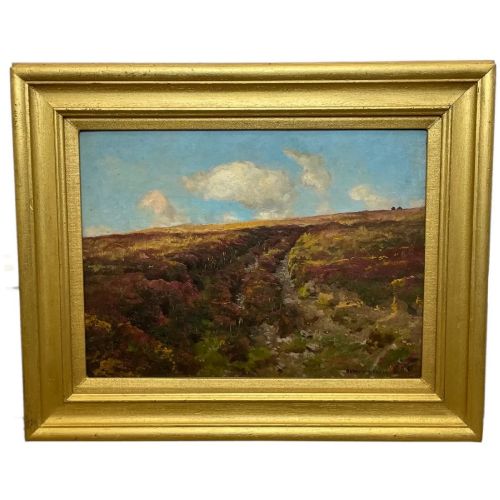
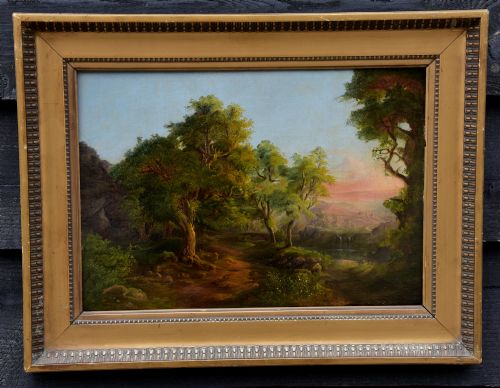
Original Framed Oil Painting
An original framed oil painting brings tangible texture and rich colour into a room, holding the hand of the artist across centuries.
Defining the original framed oil painting
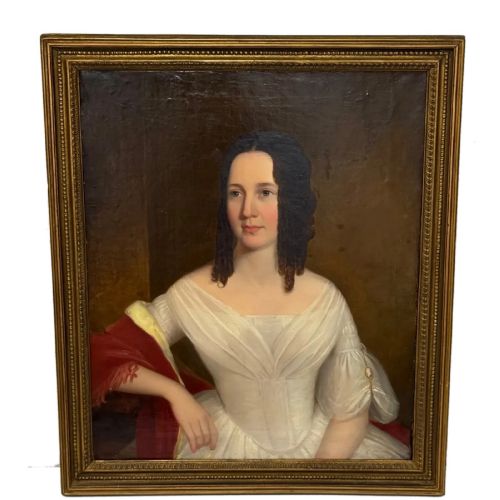
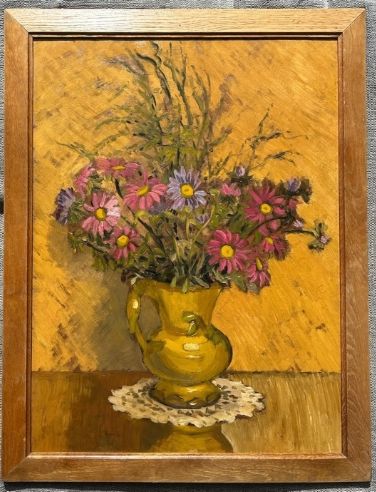
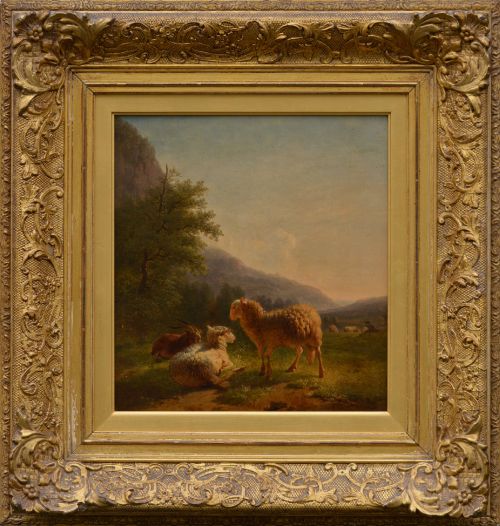
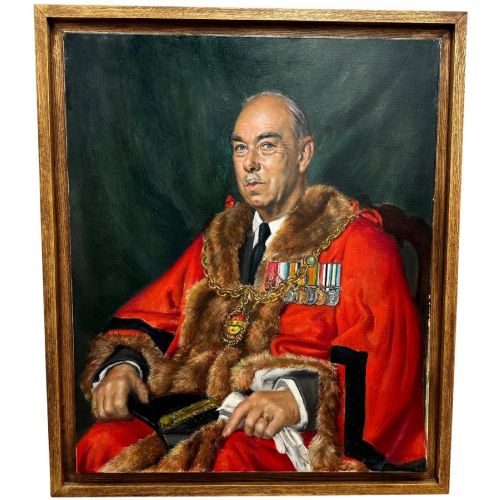
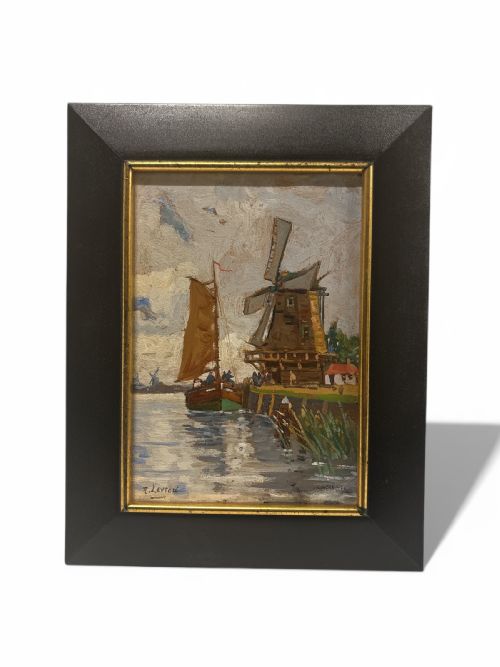
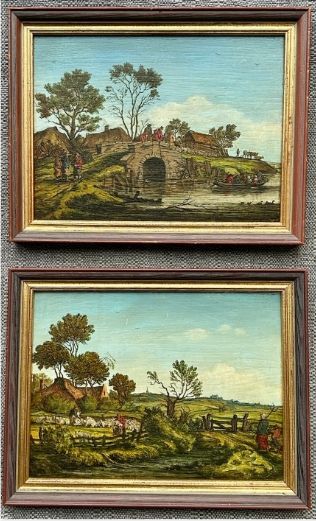
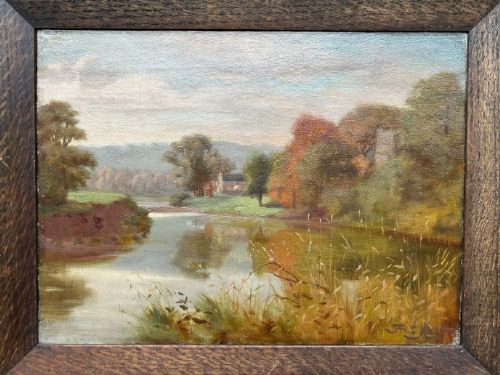
An original framed oil painting represents a unique work executed by hand, spanning subjects from pastoral landscapes and bustling street scenes to formal portraiture. When searching for an original framed oil painting, collectors encounter pieces originating from the eighteenth, nineteenth, and twentieth centuries, encompassing British Impressionism, mid-century expressionism, and naive school traditions.
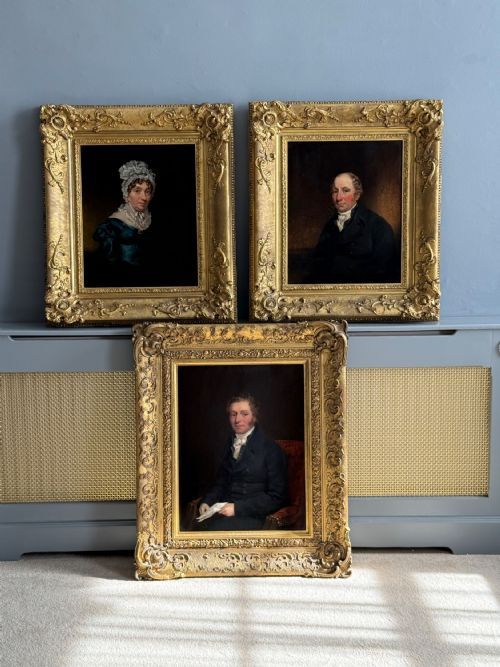
The visual character of these works relies heavily on the housing provided by the period surrounds. Most examples emerge within gilt wood frames, sometimes complemented by fabric slips or plaster ornamentation that accentuates the depth of the pigment within.
Portraits of Victorian gentlemen, clergymen, and ladies sit alongside Welsh river paths, Yorkshire dales, and Venetian canals. These varied compositions reflect both regional British schools and continental influences, mapped across canvas, wood panel, card, and board supports.
Materials and construction
Artists built these compositions using oil paint applied to prepared supports, predominantly stretched canvas, wood panel, or thick card. The slow-drying nature of oil medium permitted subtle blending, impasto texture, and the building of luminous layers over time.
The physical housing is integral to the survival of the artwork. Giltwood frames, often finished with moulded plaster details, protect the perimeter of the canvas or board while providing a reflective boundary that isolates the scene from its surroundings.
Listings feature works spanning Victorian, 1920, and 1960 periods, utilising oil paint on canvas, wood panel, card, and board.
Assessing visual distinction
The distinction between ordinary and exceptional works rests on the confidence of the brushwork and the management of light. Superior paintings demonstrate an assured handling of pigment where tone and atmosphere convey depth without excessive detail.
The harmony between the artwork and its frame plays a critical role in overall integrity. Original frames that complement the exact period and palette of the canvas elevate the presentation, whereas mismatched or later replacements alter the historical cohesion of the piece.
Sir Alfred East·Emanuele Cappello·Walter J Watson·Fred Lawson·Mary Lord·Vincent Galloway
The Original Framed Oil Painting Glossary
- Impasto
- Paint applied thickly to a canvas or board, leaving visible brush or palette knife marks that stand out in relief. This technique introduces literal tactile dimension to the surface.
- Giltwood
- Timber carved and coated with a thin layer of gold leaf or metallic powder. It provides the characteristic bright, reflective border seen on traditional frames.
- Slip
- A narrow decorative border, often fabric-covered or gilt, placed between the inner edge of a frame and the outer edge of the canvas. It serves to separate the painted surface from the main moulding.
- Panel
- A rigid support for painting, usually made of timber such as oak or mahogany. Artists utilised panels extensively before stretched canvas became the dominant medium.
- Verso
- The back of a painting, canvas, panel, or frame. Collectors examine this area for signature inscriptions, dates, titles, and old gallery labels.
Frequently Asked Questions
Can I change the frame?
Replacing a period frame alters the historical context and visual balance of the artwork. Original frames were chosen or built specifically to complement the palette and era of the scene.
If framing is structurally unstable, consult a specialist framer to secure repairs rather than discarding the original surround. Preservation of the complete object maintains its integrity.
How do I identify the date?
Examine the verso for handwritten inscriptions, old exhibition labels, or signatures that provide direct clues. The construction of the stretcher bars, nails, and framing timbers also offers reliable chronological markers.
Stylistic conventions in costume, hair, and landscape composition help narrow down the decade. Comparing handling techniques to known regional schools assists further verification.
Where should I hang my painting?
Select an interior wall protected from direct sunlight and steady moisture sources such as kitchens or bathrooms. Ultraviolet rays degrade oil pigments and cause canvas fibres to become brittle over time.
Maintain a stable ambient temperature to prevent the expansion and contraction of wood panels or canvas. Proper hanging hardware matched to the weight of the gilt frame ensures secure display.