
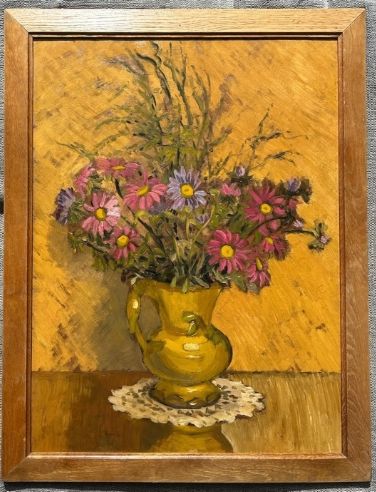
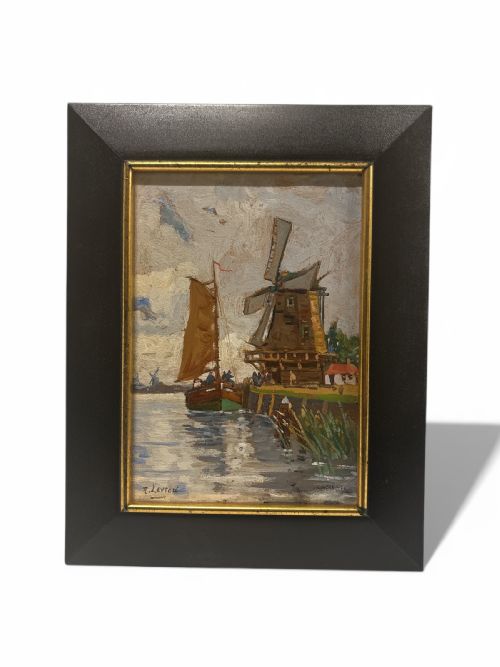
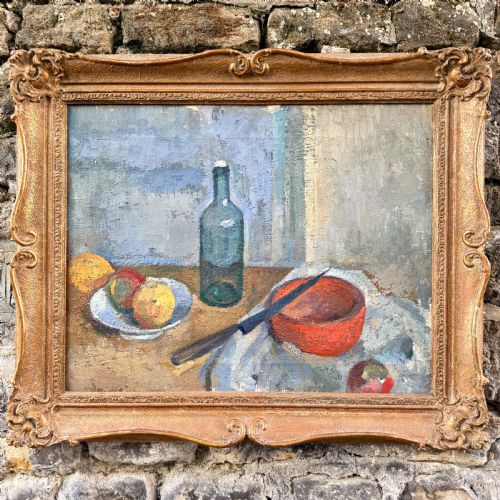
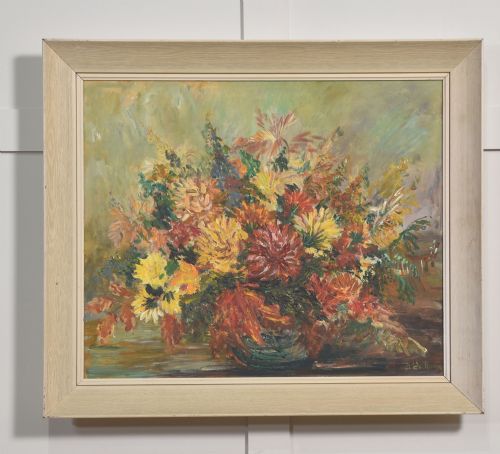



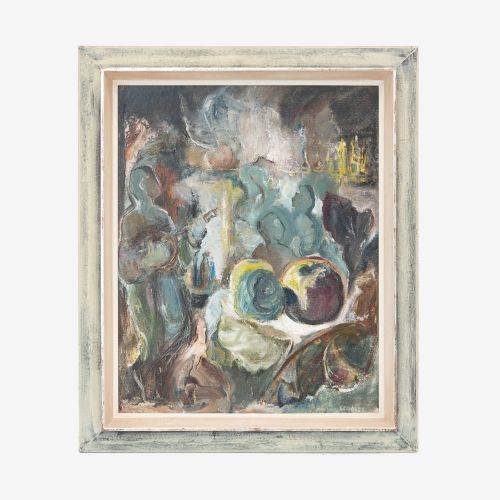
Original Framed Impasto Art
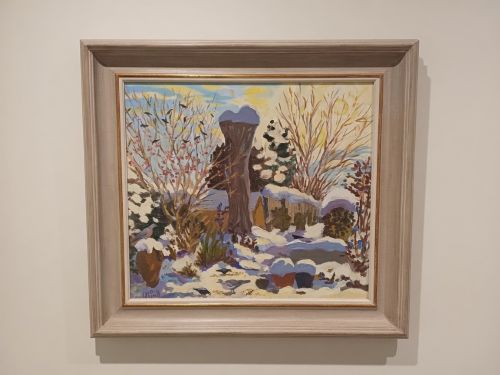
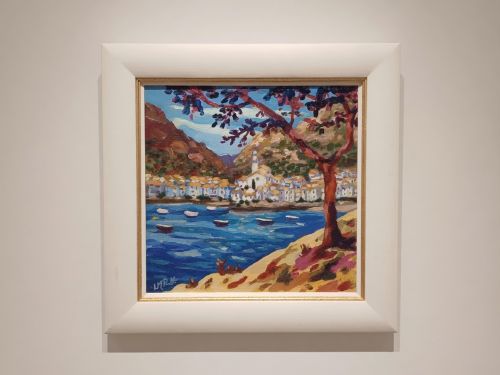
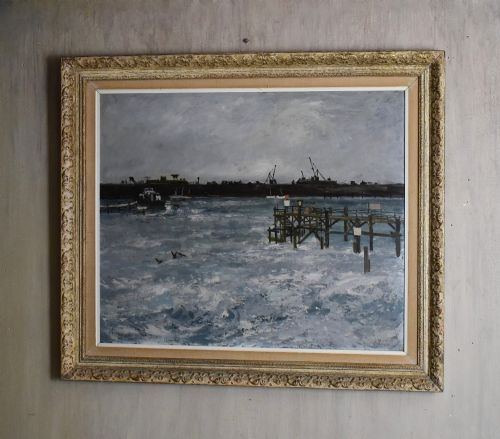
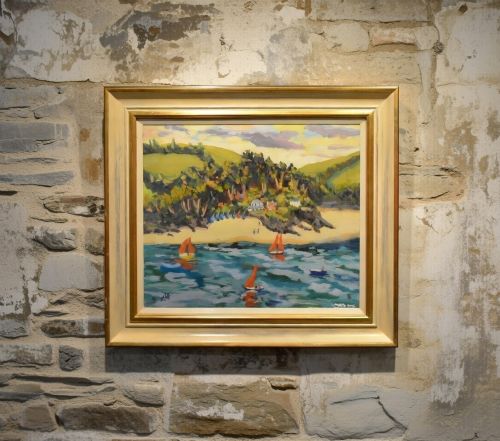
Original framed impasto art brings thick oil paint and visible brushwork directly to the wall in period frames.
Original Framed Impasto Art
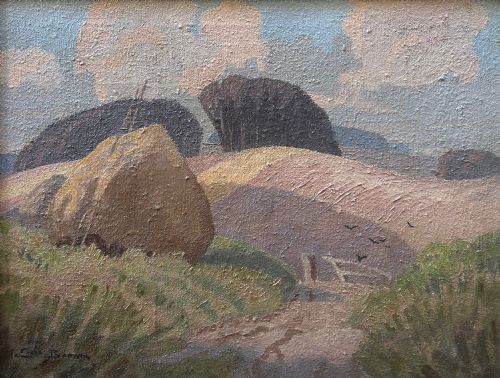
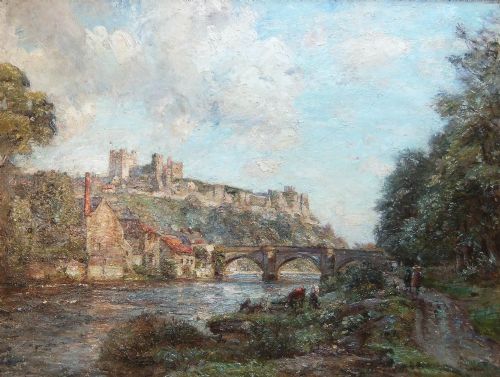
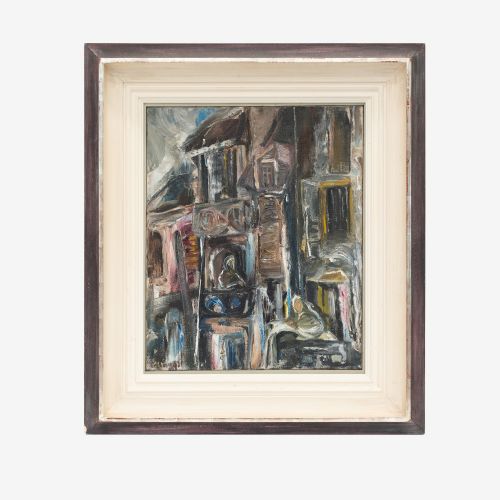
Original framed impasto art consists of paintings executed in thick oil paint that stands proud of the support, capturing light and shadow across the textured surface. When searching for original framed impasto art, collectors encounter works spanning from the nineteenth century through the mid-twentieth century, including British Impressionism, Post-Impressionism, and Mid-Century Modernism.
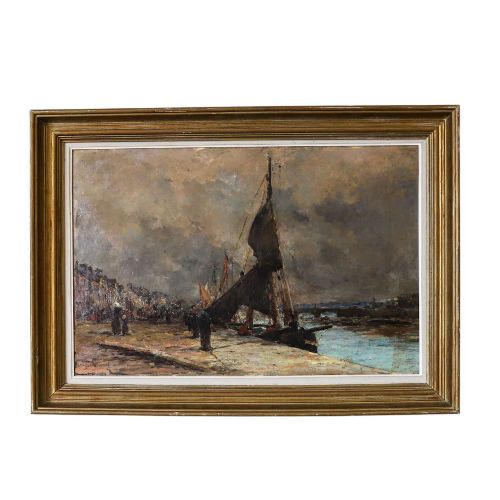
The subjects on this page range from coastal landscapes and harbour scenes to floral still lifes, Parisian cityscapes, and intimate portraits. Many pieces arrive housed in their period wooden and gilt frames, which complete the presentation of the oil paintings on canvas or board.
Technique and Materials
Artists apply oil paint thickly using brushes or palette knives, building up heavy layers of pigment that retain the physical gesture of the hand. This impasto technique is worked directly onto stretched canvas or wooden board, creating a tactile relief across the surface of the painting.
Finished works are typically housed in wooden frames, often accented with gilt finishes that complement the warm tones and rich textures of the oils.
Listings feature works created across multiple decades, including the 1920s, 1950s, and 1960s.
Distinctions in Quality
The success of original framed impasto art relies on the confidence of the brushwork and the skillful handling of pigment to create depth and movement. Superior examples demonstrate a deliberate control over thick application, where the raised paint builds form and atmosphere rather than cluttering the composition.
The harmony between the canvas and its frame also influences the overall integrity of the piece, as period wooden and gilt mouldings designed specifically for the artwork enhance the visual impact of the painted surface.
Kenneth Cozens·R Leyton·D L Williams·Lucy Pratt·Peter Brannan·Eric Brown·Christine Nesbit·Donald McIntyre·Herbert Royle·Lilian Colbourn·Ronald Ossory Dunlop·Helen Layfield Bradley·Jean-Baptiste Olive·James Fry·Gaetan Dumas·Gabriel Dauchot·Mercedes Legrand·Baruch Shalom Oskotsky·E A Minardo·Hein Hoppmann
The Original Framed Impasto Art Glossary
- Impasto
- A paint application technique where pigment is laid onto canvas or board in very thick layers, standing high enough to leave visible brush or knife marks.
- Oil on canvas
- A traditional painting method utilising oil-based pigments applied to a woven fabric support stretched across a wooden frame.
- Oil on board
- A technique where oil paint is applied directly to a rigid wooden or composition panel rather than flexible canvas.
- Gilt frame
- A wooden picture surround coated with a thin layer of gold leaf or metallic paint, common in nineteenth and twentieth-century presentations.
- Post-Impressionism
- An art movement extending beyond impressionism that emphasises symbolic content, heavy outlines, and expressive use of thick paint.
Original Framed Impasto Art: Frequently Asked Questions
How do I hang a heavy impasto oil painting?
Secure the painting using appropriate wall anchors matched to the weight of the wooden frame and canvas.
Ensure the picture wire and hooks are rated to support the substantial mass of thick oil paint and wooden backing.
Can I clean dust from textured impasto paint?
Remove surface dust gently using a soft, dry artist brush without applying pressure to the raised pigment.
Avoid using damp cloths or cleaning solutions on oil paint to prevent moisture damage to the canvas and medium.
How do I identify a mid-century impasto frame?
Look for simpler wooden profiles and subtle finishes typical of twentieth-century framing standards.
Original frames often show age-appropriate wear on the wood and corners that matches the era of the canvas.
What is the difference between canvas and board supports?
Canvas provides a slightly flexible woven surface stretched over a wooden wooden support behind the paint.
Board offers a completely rigid wooden foundation that prevents flexing beneath heavy applications of impasto oil pigment.