





1960s Impasto Oil Painting
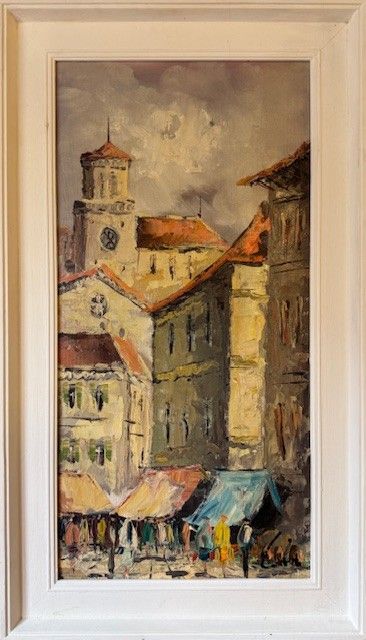
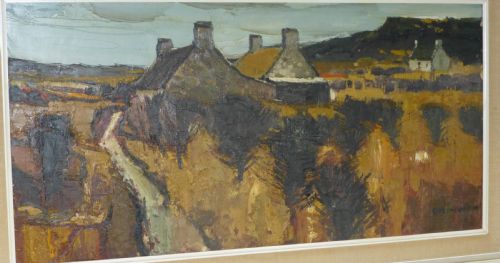
A 1960s impasto oil painting brings thick, tactile texture and mid-century character directly onto the wall.
1960s Impasto Oil Painting
When you search for a 1960s impasto oil painting, you encounter mid-century works defined by thick, raised pigment applied heavily to canvas, board, or wood. The selection here spans cityscapes, coastal views, and racing scenes created during the middle decades of the twentieth century.
Most examples lean into Mid-Century Modern, French Expressionism, and Modern British styles, capturing light and movement through vigorous application of oil paint. You will find both framed and unframed works ranging from intimate still lifes to large-scale abstract compositions.
Materials and construction
Artists built these surfaces using oil paint applied thickly with brushes or palette knives directly onto woven canvas, wooden panels, or rigid boards. This heavy layering creates physical ridges and peaks that catch the room's light.
Many works retain their original wood frames, which complement the substantial weight and prominent texture of the paint layer.
1960s Impasto Oil Painting Retail Price Guide 2026
Typical asking prices for 1960s impasto oil painting among the pieces listed under this phrase on Sellingantiques today, from the lower quarter to the upper quarter. They describe what is for sale here now, not the wider market.
Chestnut leaves unfurling in 1961 still hold their crisp, abstracted form in oil.
What separates the best examples
Quality rests in the confidence of the brushwork and the stability of the thick pigment layer over decades. Superior pieces display a deliberate harmony between heavy texture and underlying composition rather than mere bulk.
The distinction also lies in the provenance and the artist's command of tone, where skilled handling prevents dense paint from appearing heavy or opaque.
Helen Layfield Bradley·Raymond Picque·Gabriel Dauchot·William Ernst Burwell·Donald McIntyre
The 1960s Impasto Oil Painting Glossary
- Impasto
- A technique where oil paint is laid on an area of a surface very thickly, usually thick enough that the brush or painting-knife strokes are visible. When dry, impasto provides texture, making the paint appear to pop off the canvas.
- Mid-Century Modern
- A style of interior design, architecture, and art from roughly the middle of the twentieth century. It prioritises clean lines, organic forms, and functional abstraction.
- French Expressionism
- An artistic movement characterised by the prioritisation of emotional experience over physical reality, often using distorted forms and aggressive brushwork. In this selection, it appears in dynamic scenes like horse racing.
- Canvas
- A heavy woven fabric used as a surface for oil painting. It is typically stretched tightly across a wooden frame before application.
1960s Impasto Oil Painting: Frequently Asked Questions
Are these paintings supplied with frames?
Many pieces in this selection retain their period wood frames, which often date from the same decade as the artwork. Check individual listings to confirm whether a specific frame is included.
Frames can usually be removed or swapped if you prefer a different presentation for your interior space.
How can I tell a 1960s painting from a modern reproduction?
Examine the edges of the paint layer and the material of the support board or canvas. Mid-century works show appropriate ageing in the wood and drying patterns in the oil pigment.
Look for authentic framing materials, fixings, and artist signatures typical of mid-century British and French studios.
Where should I hang a textured painting?
Place these works where directional lighting can strike the surface from the side. This raking light accentuates the thick impasto ridges and brings out the depth of the brushstrokes.
Avoid hanging oil paintings in rooms with high humidity or direct, harsh sunlight for prolonged periods.