


Original Floral Artwork Canvas
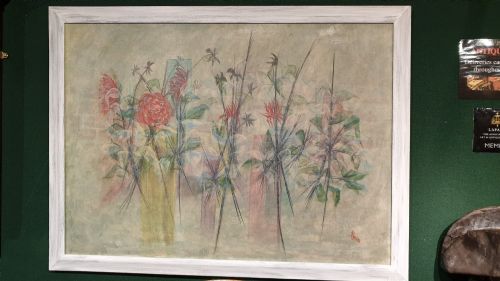
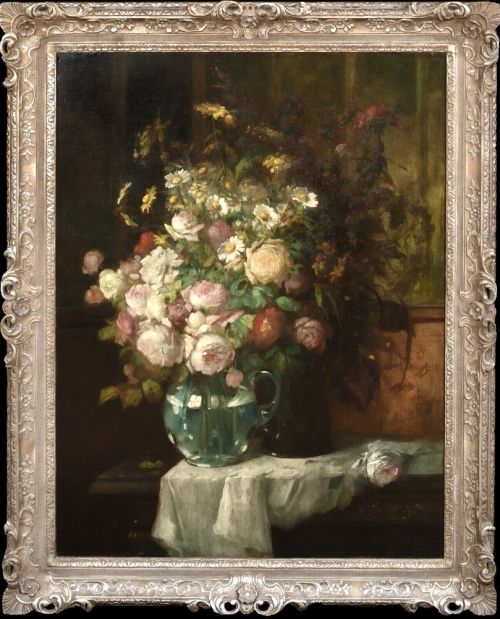
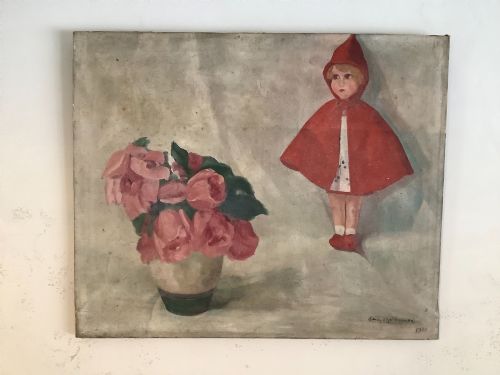
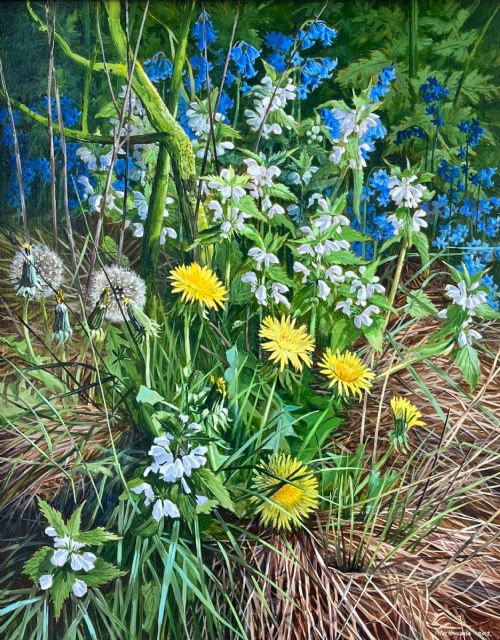
Original floral artwork canvas brings together painted studies of blooms across periods from the nineteenth century to mid-century modernism.
Original Floral Artwork Canvas
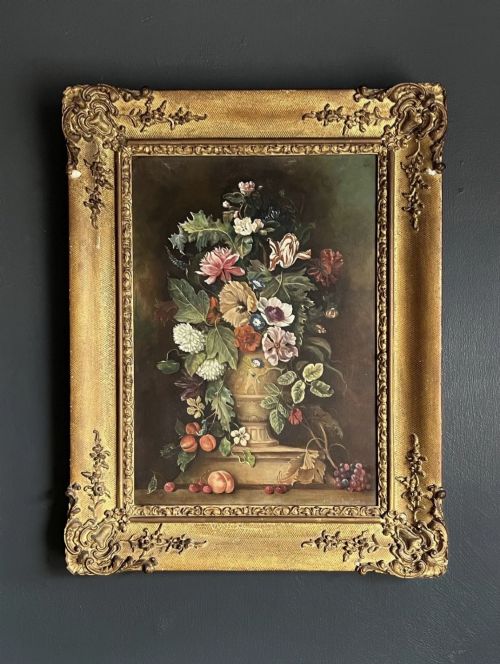
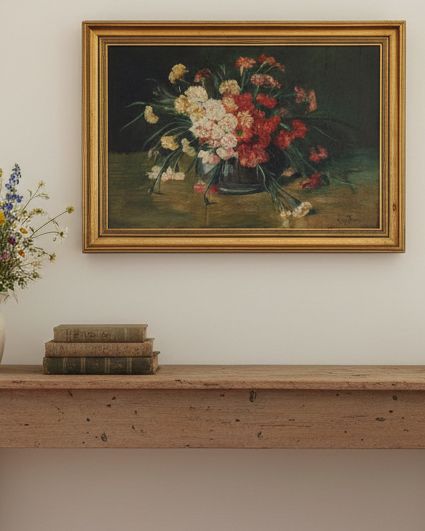
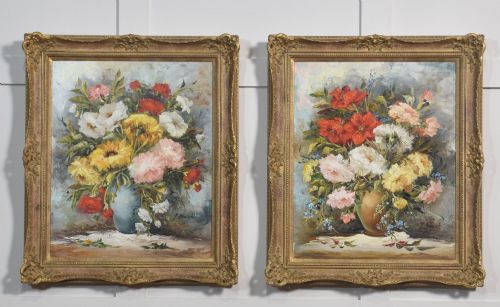
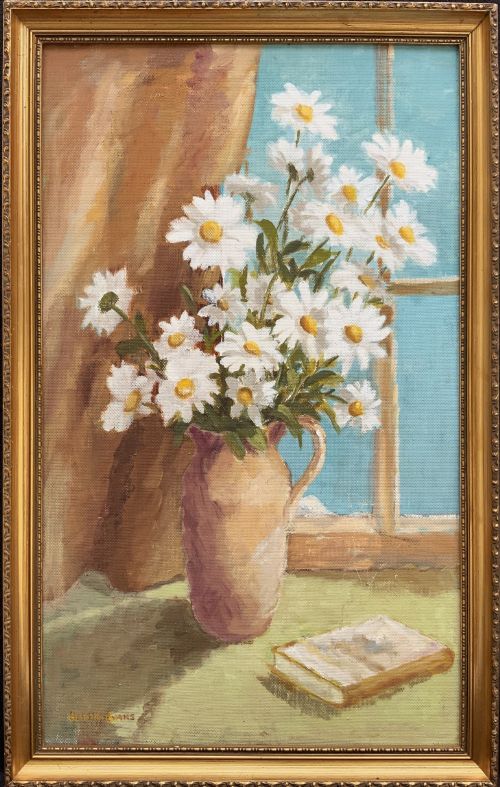
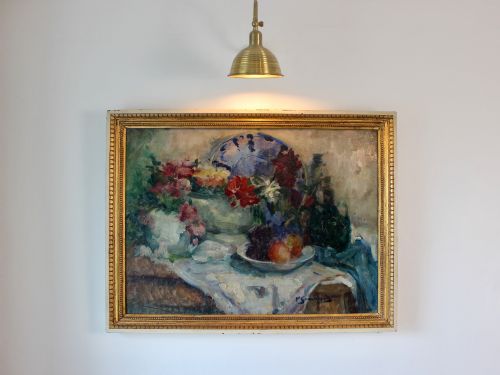
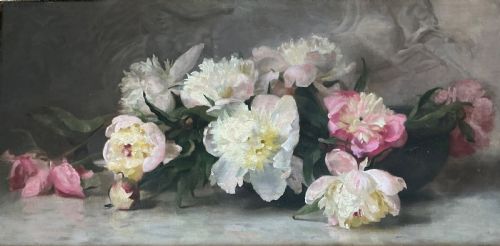
Original floral artwork canvas encompasses oil paintings on canvas and board depicting still lifes, garden scenes, and vases of flowers. These works span the Edwardian era, the 1920s, 1930s, 1950s, 1960s, and the nineteenth century, reflecting diverse international hands from British, Belgian, Austrian, French, and Swiss origins.
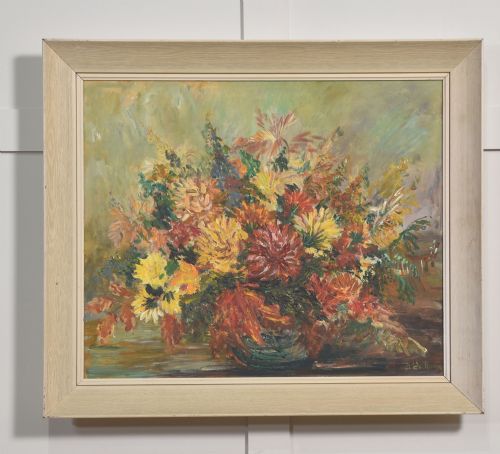
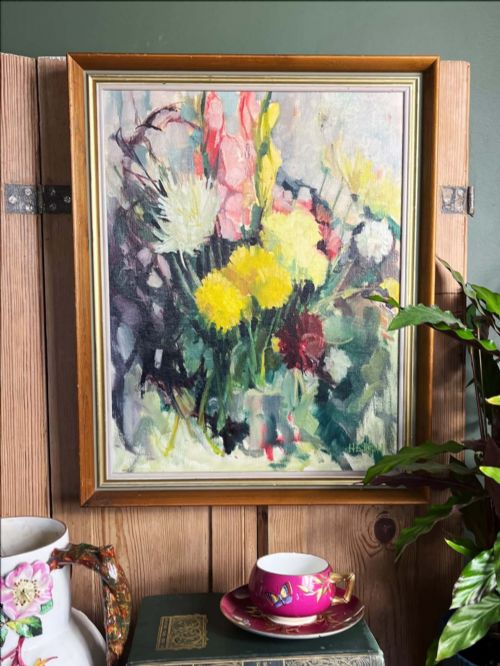
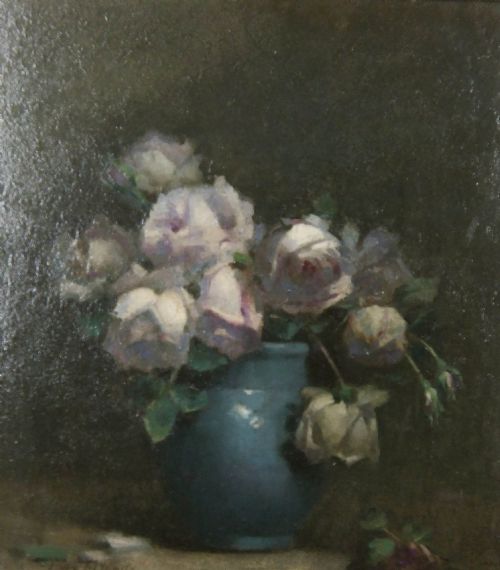
Buyers will encounter traditional compositions alongside British Impressionism, Post-Impressionism, Art Deco, and Mid-Century Modern styles. Common forms include framed oil paintings and framed panels featuring roses, peonies, dahlias, and autumn flowers.
Materials and construction
These works are executed primarily in oil paint applied to canvas or wood support panels, occasionally utilising tempera. The physical build relies on traditional stretchers and wooden frameworks.
Many pieces retain period framing, notably moulded wood finished with gesso and gilt leaf. The integration of paint layers, canvas weave, and gilt frames defines the physical structure of these works.
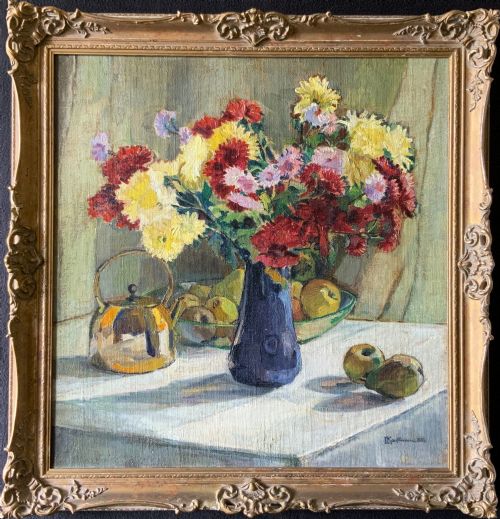
Among the blooms preserved in oil are autumn chrysanthemums, summer roses, sweet williams, and peaches.
Evaluating the range
Quality separates through the confidence of the brushwork and the structural integrity of the composition. Stronger examples demonstrate expressive handling of light and colour, particularly within Impressionist and Post-Impressionist traditions.
The relationship between the canvas and its original frame contributes to the overall cohesion of the piece. Finer works display accomplished spatial balance and pigment preservation across the painted surface.
D. L. Williams·Mark Ingram·Konstantin Stoitzner·Peter Newcombe·Manuela Bonati·William Thomas Wood·Victor Simonin·Owen Bowen·Gertrude Hayes·Amile Coppieters·Florence Hess·A. Nikolokov·J. Milton·Ernest Higgins Rigg·Sir Matthew Smith·Robin MacKertich·Horst·Freda Marston·Stuart Armfield
The Original Floral Artwork Canvas Glossary
- Canvas
- A heavy woven fabric used as a surface for oil painting. It is typically stretched over a wooden frame before application of the ground and pigments.
- Gilt gesso
- A plaster-based material applied to wood moulding and coated in gold leaf or metallic paint. It forms the decorative surface of period frames.
- Impressionism
- A style of painting emphasising visible brushstrokes and the shifting qualities of light. It informs many of the twentieth-century still life works.
- Post-Impressionism
- An art movement extending Impressionism while rejecting its limitations. It prioritises symbolic content and expressive use of paint.
- Still life
- A work depicting inanimate subject matter, typically commonplace objects or botanical arrangements. Flowers in vases form the primary focus in this group.
Original Floral Artwork Canvas: Frequently Asked Questions
How do I identify the period of a floral canvas?
Dating relies upon stylistic markers, framing techniques, and signatures linked to known active years. Mid-century works often show looser brushwork, whereas nineteenth-century examples tend toward formal academic composition.
Examination of the canvas reverse, stretcher bars, and framing materials provides additional chronological context.
Are all these paintings executed on stretched canvas?
While canvas is dominant, the selection also includes works painted directly on wood panels and board supports. Each material interacts differently with oil paint over time.
Checking the listing details confirms whether the support is fabric or rigid timber.
How should I care for an oil painting on canvas?
Keep works away from direct sunlight, high humidity, and rapid temperature fluctuations to protect both the canvas and the oil pigments. Dusting should be done gently with a soft, dry brush.
Avoid using water or liquid cleaners on the painted surface.
What is the difference between Impressionist and traditional floral styles?
Traditional floral paintings focus on botanical accuracy, fine detail, and realistic lighting. Impressionist works prioritize atmosphere, visible texture, and the play of light over strict botanical precision.
Both approaches were practiced concurrently across the nineteenth and twentieth centuries.