



Original Canvas Townscape Artwork
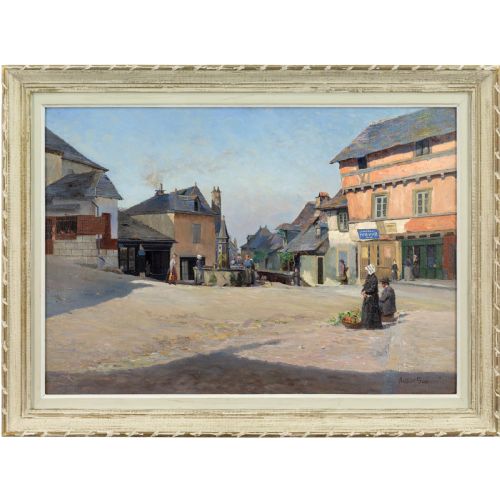
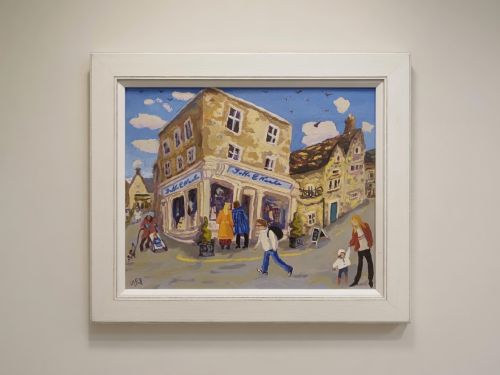
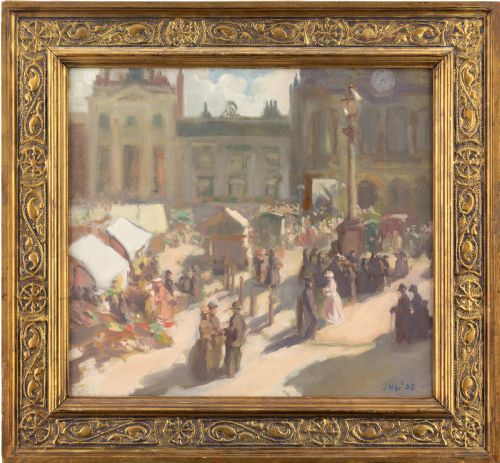
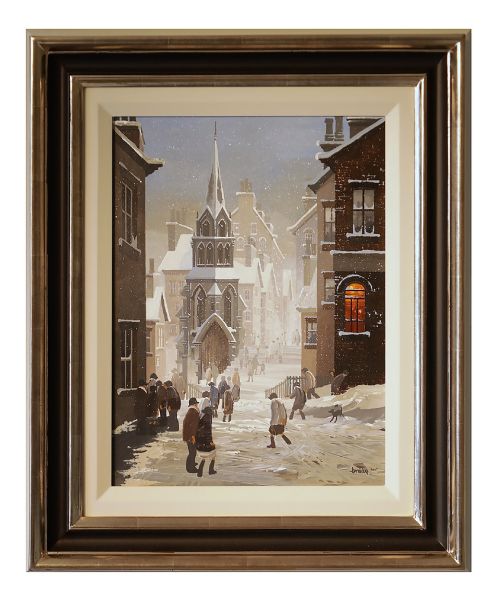
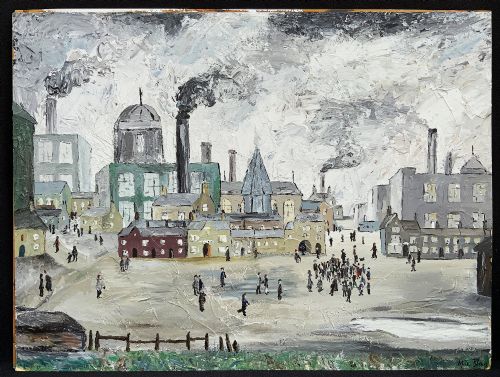
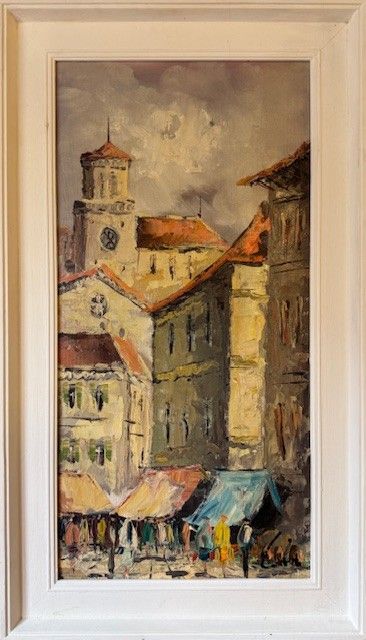
These original canvas townscape artwork pieces capture bustling streets and historic squares in oil paint, offering an immediate window into past urban life.
Original Canvas Townscape Artwork
Original canvas townscape artwork comprises oil paintings on canvas depicting urban scenes, market squares, and architectural views. These works range across the nineteenth and twentieth centuries, capturing domestic streets as well as continental vistas.
The selections available include British, French, and Dutch scenes created within movements such as Impressionism, Victorian realism, and the Northern School. Buyers regularly encounter works from the late nineteenth century alongside mid-century and later interpretations.
Subjects stretch from northern industrial streets and Cotswold market towns to Venetian canals and French cathedrals. Each piece records a distinct topography through the specific vision of its creator.
How they were made
Artists painted primarily in oil on stretched canvas, building up surfaces with varied brushwork and pigment thickness. This medium allowed painters to capture changing light on buildings, streets, and water.
Many works sit within wooden frames, frequently enhanced with gilt, giltwood, or gold leaf to complement the painted surface. The combination of oil paint and supportive wooden stretchers defines the physical structure of these works.
Materials across these listings include oil paint, canvas, wood, and gold leaf, deployed across periods from the nineteenth century to the modern era.
What varies in quality
Quality rests upon the artist's handling of perspective, light, and atmosphere within the townscape. Superior works demonstrate confident brushwork and a convincing sense of space, whereas weaker examples rely on formulaic composition.
The cohesion of the palette and the fidelity of architectural drawing distinguish finer paintings. A successful canvas balances the geometry of buildings with the movement of figures and the play of daylight.
Arthur Gué·Lucy Pratt·John Hodgson Lobley·Brian Shields Braaq·A McDonald·Cornelis Christian Dommersen·John Sanderson Wells·Jane Vivian·Josephine Haswell Miller·Alfred Pollentine·Henry Schafer·Letitia Marion Hamilton
The Original Canvas Townscape Artwork Glossary
- Canvas
- A heavy woven fabric stretched across a wooden frame to form the painting surface. It provides the traditional support for oil paintings.
- Oil Paint
- A slow-drying paint made with pigments suspended in oil. This medium allows for rich colour blending and textured application.
- Giltwood
- Wood carved and covered with a thin layer of gold leaf or gold paint. It frequently surrounds these paintings to finish the presentation.
- Impressionism
- A style focusing on the visual impression of a moment, particularly shifting light and colour. Works in this manner emphasise atmosphere over strict linear detail.
Original Canvas Townscape Artwork: Frequently Asked Questions
How should I hang an oil painting?
Hang the work away from direct sunlight and damp environments to protect the canvas and oil pigments over time. Ensure the wall fixings match the weight of the frame and the painting.
Keep the piece at a stable room temperature to prevent the canvas and wooden stretcher from warping or cracking.
How do I identify the period?
Examine the style of dress on any figures, the architectural details, and the construction methods of the frame and stretcher bars. Nineteenth-century works often feature tighter brushwork and specific framing styles compared to later twentieth-century interpretations.
Artist signatures and historical exhibition labels on the reverse also help establish the date of creation.
Are these works unique?
Every piece is an individual hand-painted work created directly on canvas by an artist. No two paintings share the exact same brushstrokes, perspective, or treatment of light.
Artists returned to popular locations like Venice or local market squares repeatedly, yet each canvas remains a distinct creation.
How do I clean a canvas painting?
Dust the surface very gently with a soft, dry brush to remove loose particles. Avoid using water, liquid cleaners, or household cloths on the painted surface.
Consult a professional conservator if the paint surface requires deeper cleaning or stabilisation.