


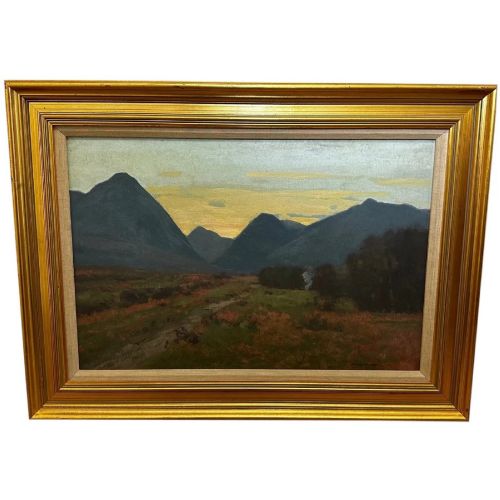
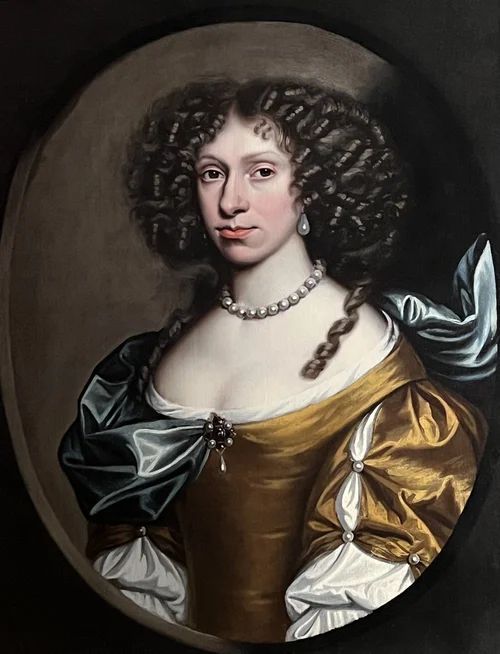
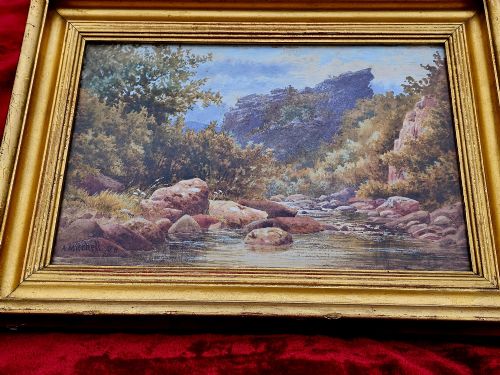
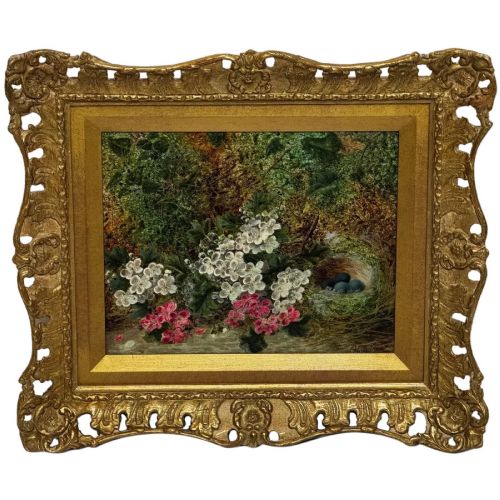

Original Artist Painting
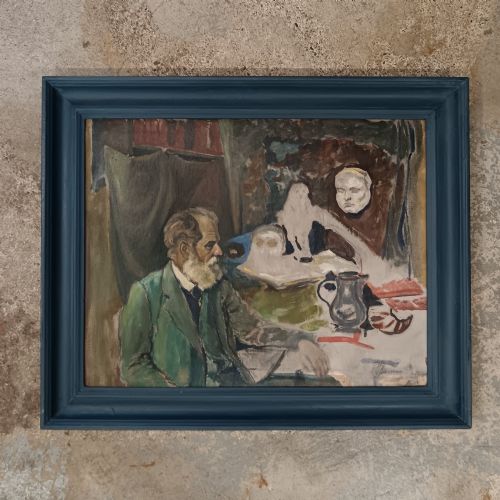
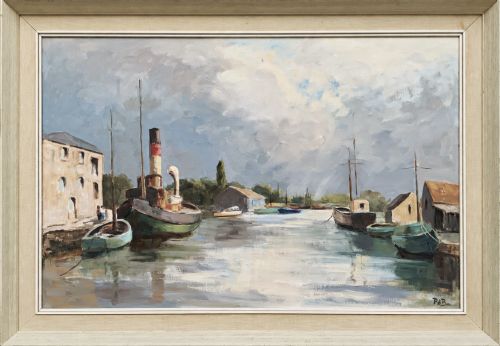
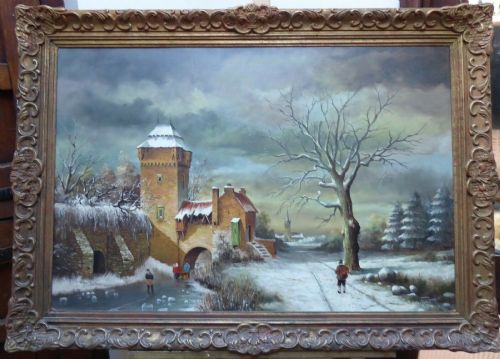
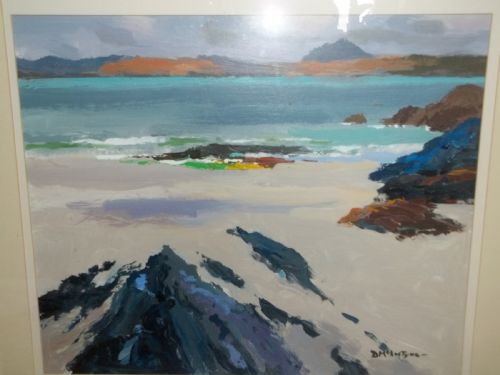
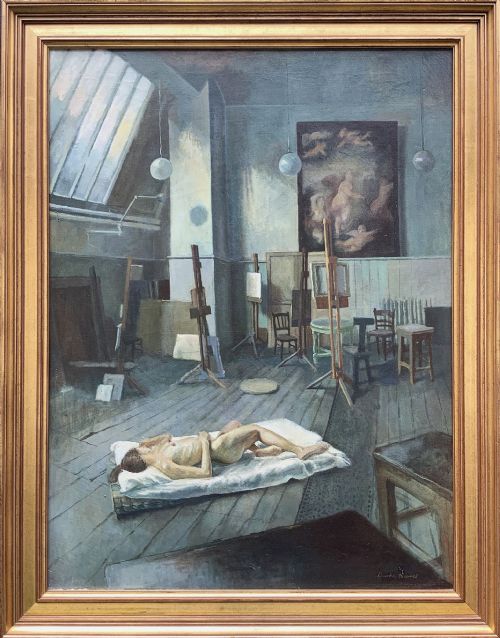
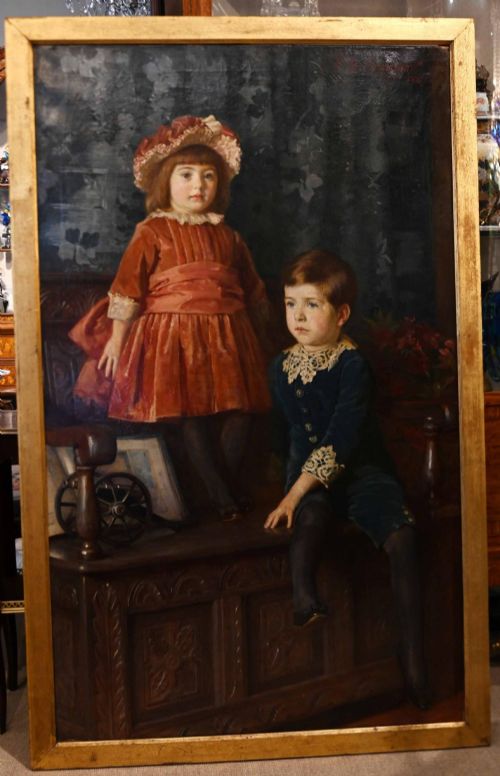
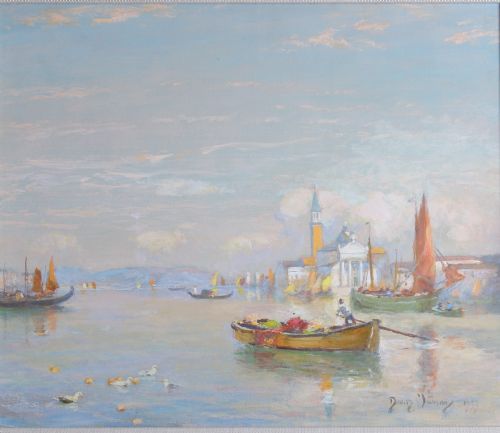
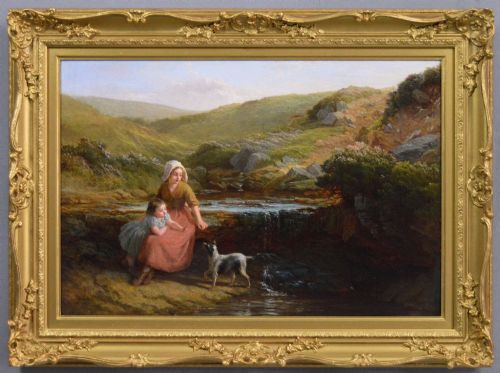
When you search for an original artist painting, you encounter unique historical works spanning Victorian portraiture to mid-century British landscapes.
Original Artist Painting
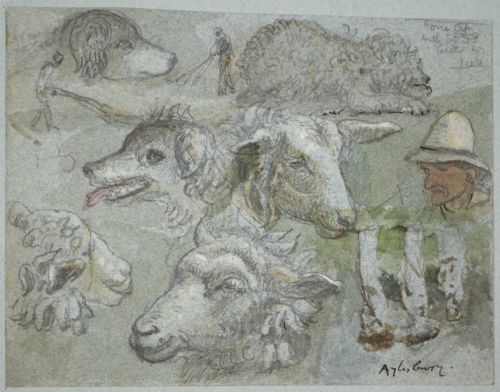
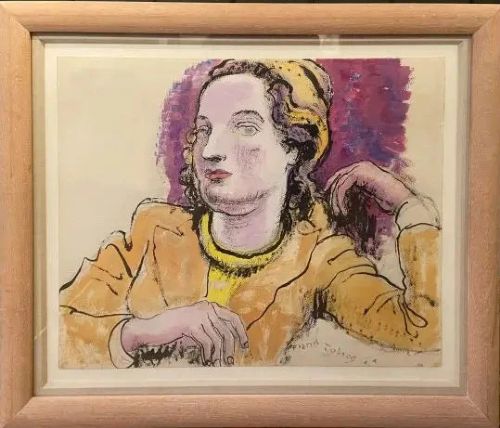
An original artist painting encompasses hand-painted works executed directly by named creators on canvas, wood, paper or board. These pieces range from intimate self-portraits and delicate bird watercolours to grand marine scenes and genre compositions.
The selections reflect diverse movements such as British Impressionism, Modern British, Victorian realism and the St Ives School. Buyers meet varied subjects, including Cornish harbours, Venetian markets and quiet domestic interiors.
How they were made
Makers utilised traditional mediums, applying oil paint or watercolour to prepared surfaces like stretched canvas, wooden panels and heavy paper. Brushwork and pigment application varied according to the specific school and period, from tight Victorian academic detail to looser mid-century expression.
Support materials frequently included wood, glass and paper alongside traditional canvas, often housed within period frames that complement the artwork.
Original Artist Painting Retail Price Guide 2026
Typical asking prices for original artist painting among the pieces listed under this phrase on Sellingantiques today, from the lower quarter to the upper quarter. They describe what is for sale here now, not the wider market.
Listings feature works spanning from the seventeenth century through the 1960s, utilising oil, watercolour, pastel and gouache.
What varies in quality
Execution and handling of the medium separate standard decorative pieces from works by recognised Royal Academy members and established regional artists. The sureness of the brushwork, compositional balance and psychological depth in portraiture dictate the standing of a canvas.
Provenance and exhibition history also elevate certain works, particularly those carrying studio sale documentation or connections to prominent artistic circles like the St Ives School.
Deidre Daines·Sir David Murray·Edward Holmes·FS Beaumont·Donald McIntyre·DAVID SCOUGALL·James Smetham·A. Mitchell·Oliver Clare·George Houston·R. Hurst·Carl Felkel·Frank Dobson·Joseph Biel·Gladys Marguerite Baker·Brian Shields·Charles James McCall·Stuart Walton·Emily Eyres·Philip Naviasky·Alexander Jamieson·Michael Healy·Ralston Gudgeon·Olga Choumansky·William Greaves
The Original Artist Painting Glossary
- Oil on Canvas
- Pigment mixed with drying oil applied to a woven fabric support stretched across a wooden frame. This medium allows for rich colour depth and textured impasto work.
- Watercolour
- Paint consisting of colour suspended in a water-soluble binder, typically applied to paper. It produces transparent washes and delicate luminous effects.
- Wood Panel
- A rigid wooden support used instead of canvas for painting. Artists often utilised panels for smaller landscape and interior scenes during the nineteenth and twentieth centuries.
- British Impressionism
- A late nineteenth and early twentieth-century painting style focusing on light, naturalistic scenes and looser brushwork. Practitioners captured everyday British landscapes and coastal views.
- Genre Painting
- Artwork depicting scenes from ordinary life, commonly involving people engaged in domestic activities or leisure pursuits. These compositions often tell a narrative story.
Original Artist Painting: Frequently Asked Questions
What defines an original artist painting?
An original artist painting is a unique, hand-painted work created directly by the hand of the maker, as opposed to a print or mechanical reproduction.
These pieces capture the direct touch of the brush and the specific vision of the creator across various historical periods.
How do I care for antique paintings?
Antique paintings require stable environmental conditions away from direct sunlight, excessive humidity and dramatic temperature fluctuations.
Displaying works out of harsh light helps preserve the integrity of oil pigments and delicate watercolours on paper.
How can I identify the period of a painting?
Dating a painting involves examining the framing materials, canvas preparation, stretcher construction and stylistic markers characteristic of specific decades.
Signatures, exhibition labels and artist studio stamps also provide concrete evidence regarding the date of creation.
What is the difference between oil and watercolour?
Oils utilise slow-drying pigment bound in oil applied to canvas or wood, allowing for rich textures and deep colour blending. Watercolours use water-soluble pigments on paper to achieve luminous and transparent effects.