
Original Art Painting
Original art painting brings together centuries of canvas and paper works, offering a direct window into historical domestic and landscape scenes.
Original Art Painting
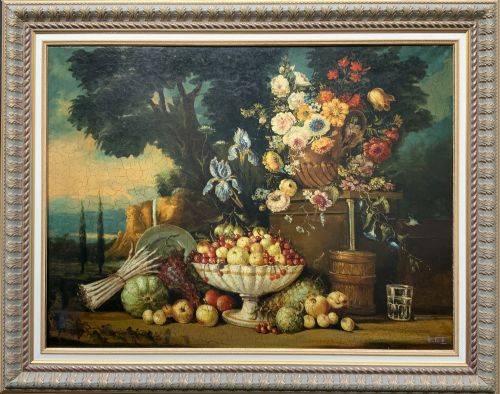
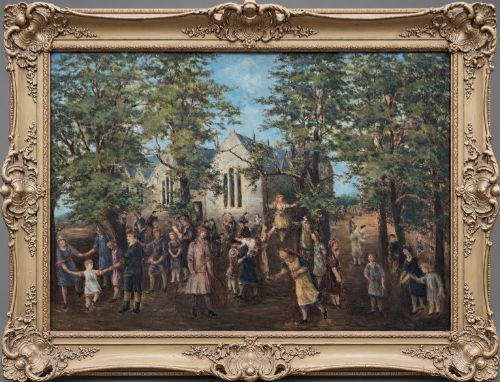
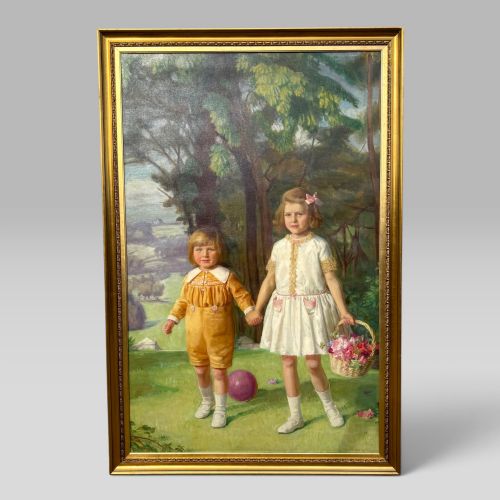
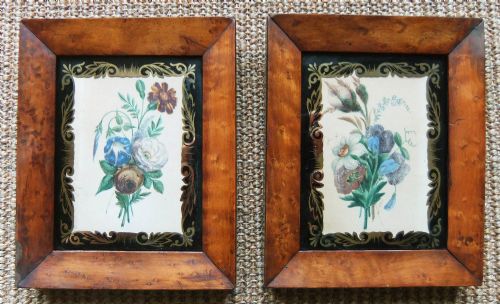
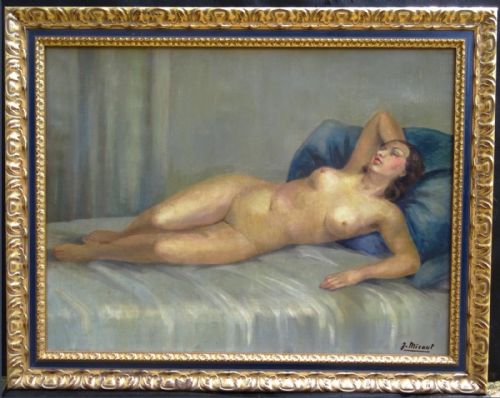
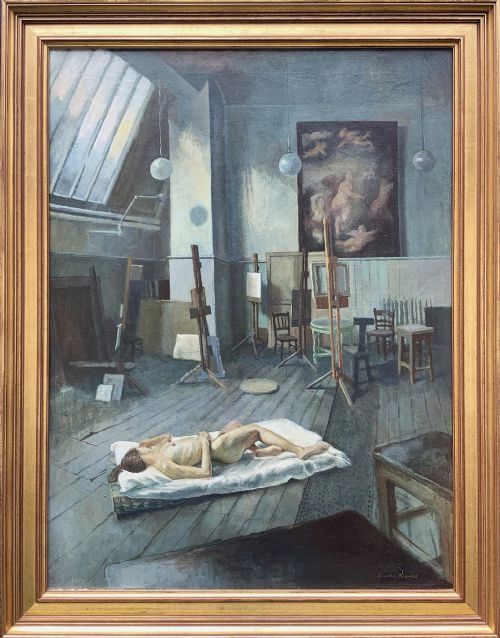
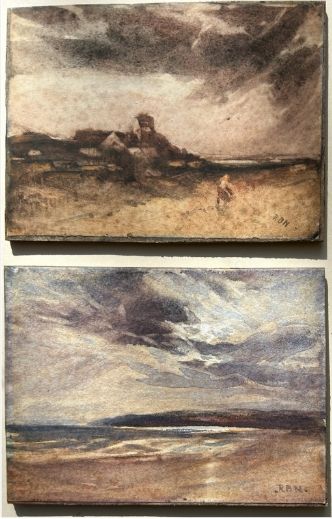
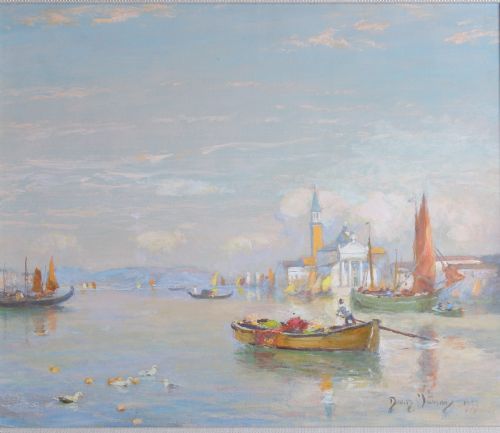
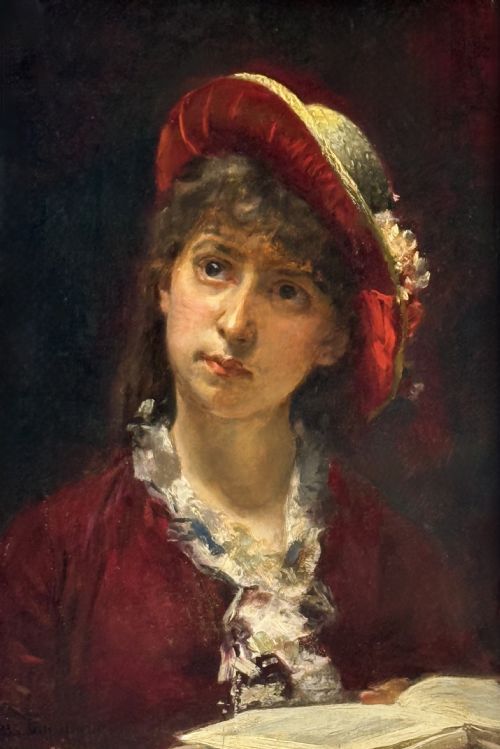
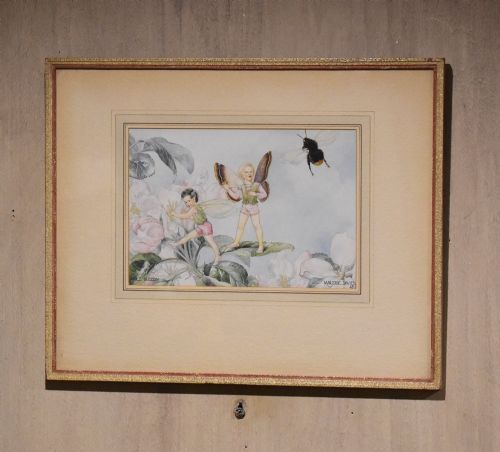
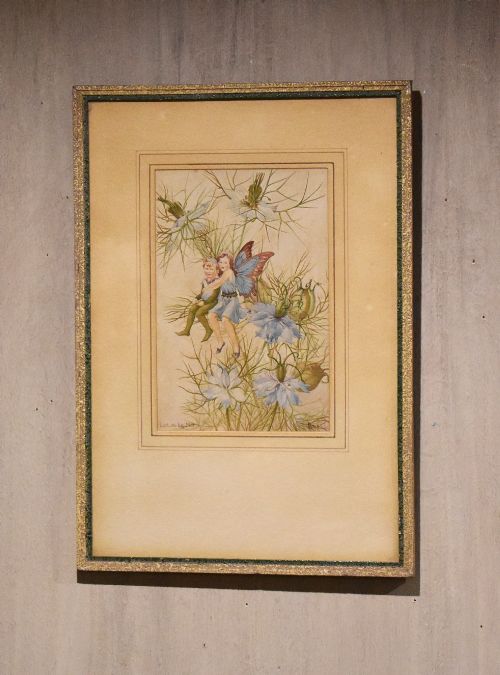
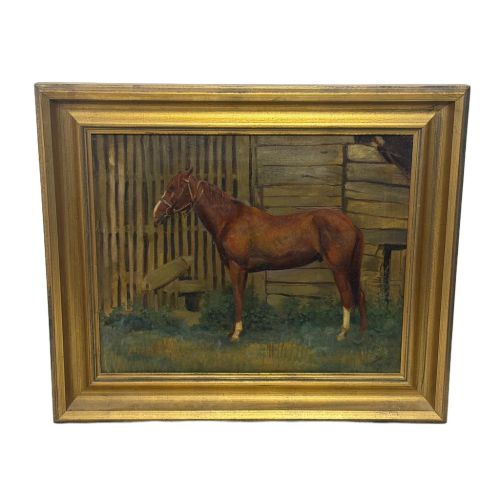
When searching for original art painting, buyers encounter a diverse range of works spanning from the eighteenth century through the mid-twentieth century. These pieces encompass everything from intimate watercolour sketches to large scale oil paintings on canvas.
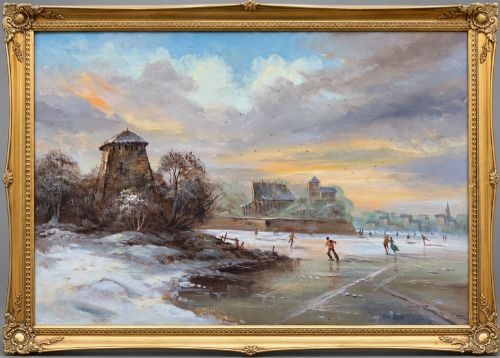
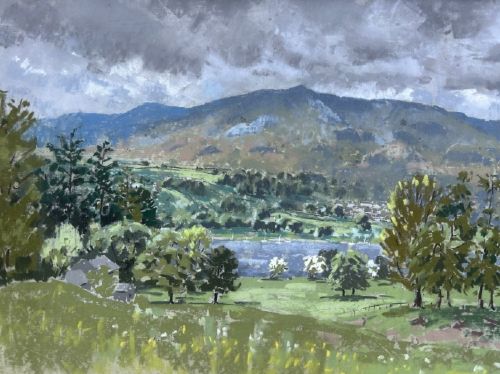
Buyers often find specific regional depictions, including Lake District watercolours and Dutch winter landscapes, executed in traditional media that reflect the prevailing style of their respective periods.
Materials and methods
The physical construction of these works relies heavily on oil paint applied to stretched canvas or wood panels, alongside delicate watercolours and pastels worked on paper. Artists utilised traditional pigments bound in oil or water-soluble vehicles to achieve lasting depth and tone.
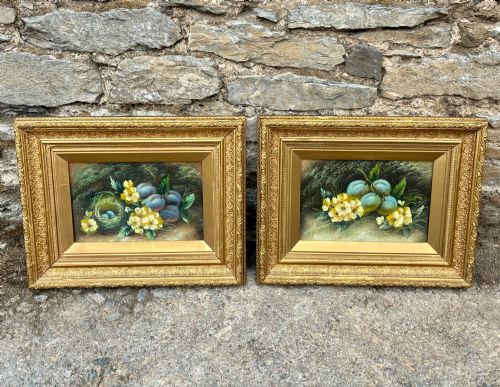
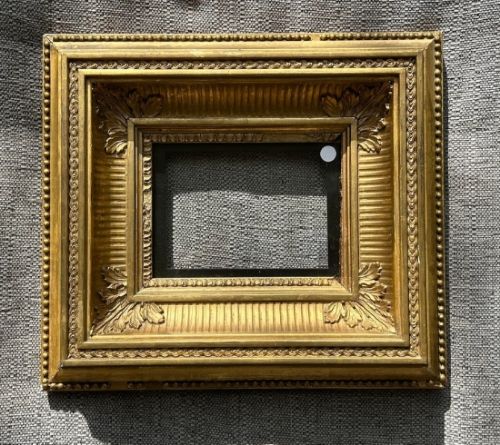
Framing forms an integral part of the physical object, with many pieces housed in deep giltwood and gesso picture frames that complement the period of the artwork. Support structures range from simple wooden stretchers to heavier panel boards.
Several Victorian canvases still bear the faint chalk marks of studio assistants who mapped out the baseline perspective before the artist arrived.
Distinctions in execution
Quality in these works rests upon the confidence of the brushwork, the handling of light and perspective, and the preservation of the original surface. Stronger compositions demonstrate a clear command over anatomy, atmosphere, or spatial depth.
The integrity of the physical medium also dictates standing, where undisturbed paint layers, stable paper supports, and original framing elements maintain the historical value of the piece.
George F Bird·Marjorie L Davies·Lionel Ellis·William Mellor·Thomas Beach
The Original Art Painting Glossary
- Oil on Canvas
- A painting medium where pigments are suspended in a drying oil, traditionally linseed, and applied to a woven fabric stretched across a wooden frame. This technique allows for rich colour blending and textured impasto application.
- Watercolour
- A painting method where coloured pigments are suspended in a water-soluble vehicle, typically applied to paper supports. It produces translucent washes of colour that rely on the reflective quality of the paper beneath.
- Giltwood
- Wood carved and coated with a thin layer of gold leaf, commonly utilised for ornate picture frames during the eighteenth and nineteenth centuries. It adds a reflective border that isolates and enhances the artwork within.
- Pastel
- A dry painting medium consisting of powdered pigment and a binder, shaped into sticks for direct application on paper. It yields powdery, vibrant surfaces that require protection under glass.
- Gesso
- A paint mixture consisting of a neutral binder mixed with chalk, gypsum, or pigment, used to prepare wood or canvas surfaces before painting or gilding. It provides a smooth, uniform ground for subsequent layers.
Original Art Painting: Frequently Asked Questions
How do I care for an antique oil painting?
Keep the canvas away from direct sunlight and sudden temperature shifts to prevent the oil paint from cracking or fading over time. Dust the surface gently with a soft, dry brush without applying moisture or cleaning solutions.
Ensure the room maintains stable humidity levels to protect both the wooden stretcher and the canvas. Avoid hanging heavy frames on vulnerable plaster walls without proper anchors.
What is the difference between watercolour and oil paintings?
Watercolour paintings use water-soluble pigments on paper and require protective glass framing to prevent moisture damage and surface abrasion. They generally offer a lighter, more translucent quality than oil works.
Oil paintings utilise a slow-drying medium on canvas or wood, creating deeper colour saturation and a textured surface that does not require glass. They can be cleaned more readily and reframed independently of protective glazing.
How can I date an antique painting?
Examine the materials of the stretcher, canvas weave, and framing methods, as industrial manufacturing techniques changed significantly between the eighteenth and twentieth centuries. Nails, screws, and canvas stamps often provide clear chronological markers.
Signatures, exhibition labels, and artist inscriptions on the reverse of the canvas or panel offer direct clues. Stylistic conventions of clothing, architecture, and landscape design further narrow down the period of creation.
Where should I hang a large landscape painting?
Choose a wall with balanced ambient light away from heat sources like radiators or fireplaces to safeguard the pigments and canvas. Large landscape works suit principal reception rooms or hallways where viewers have adequate distance to appreciate the perspective.
Ensure the wall structure supports the combined weight of the heavy wooden frame and canvas. Position the centre of the composition at eye level for optimal viewing.