


Original Portrait
When buying an original antique portrait, you acquire a direct historical record painted or drawn from life across centuries.
Original Portrait
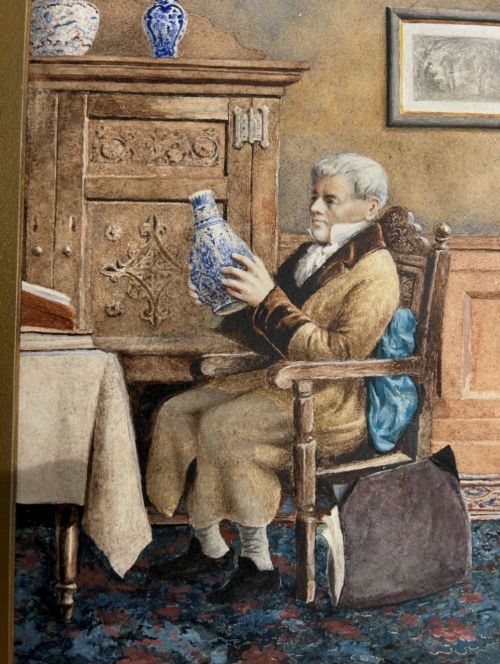
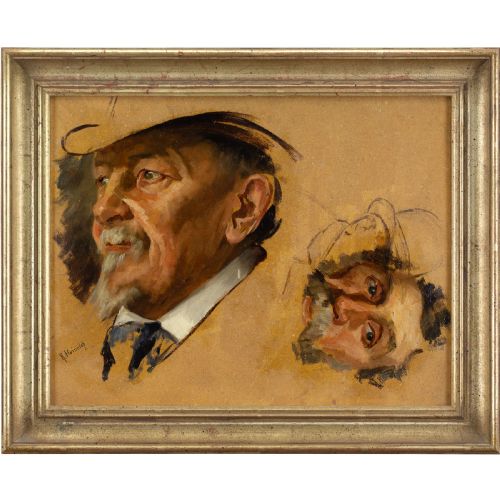
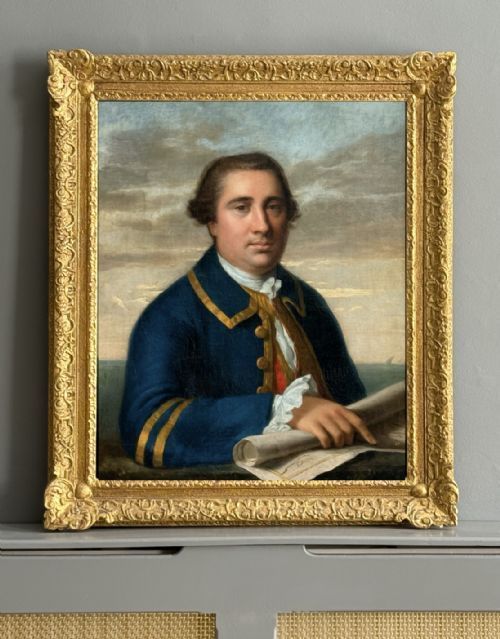
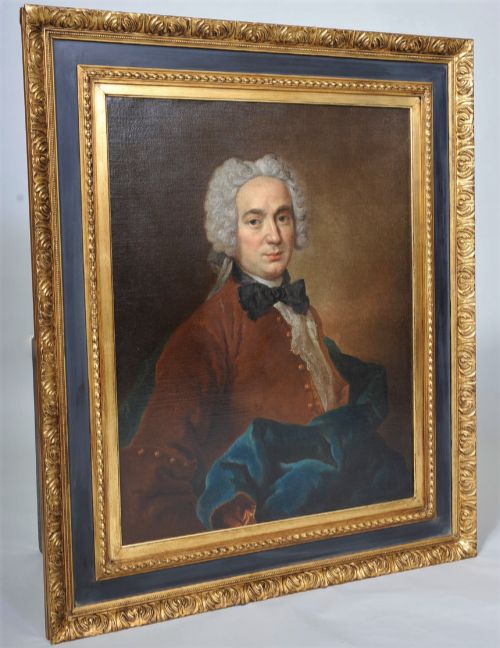
An original antique portrait captures the likeness of historical figures, nobility, merchants, and family members through various artistic mediums. These works span from the seventeenth century through the Victorian and Edwardian eras up to the mid-twentieth century.
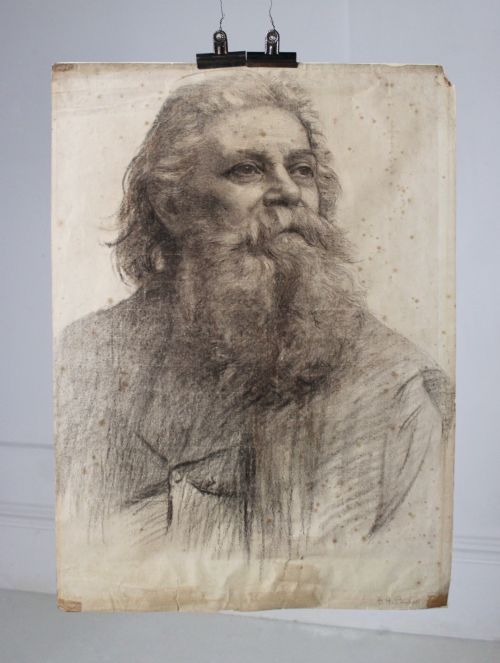
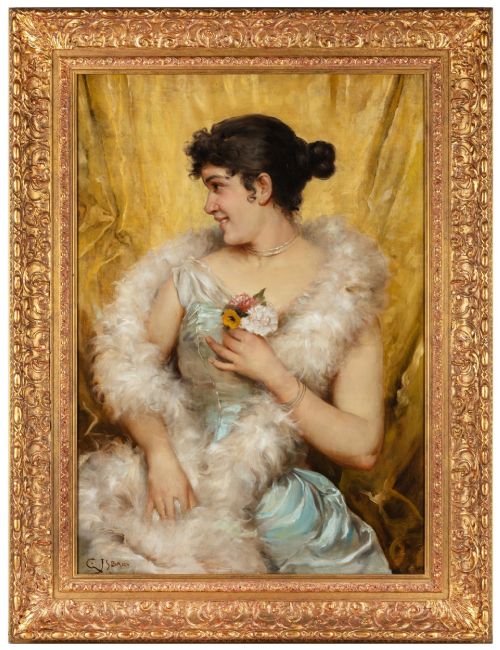
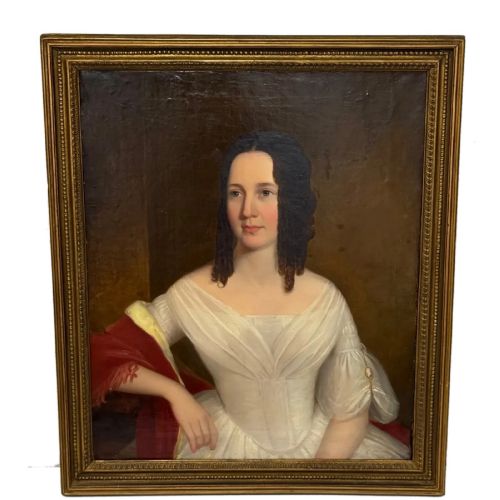
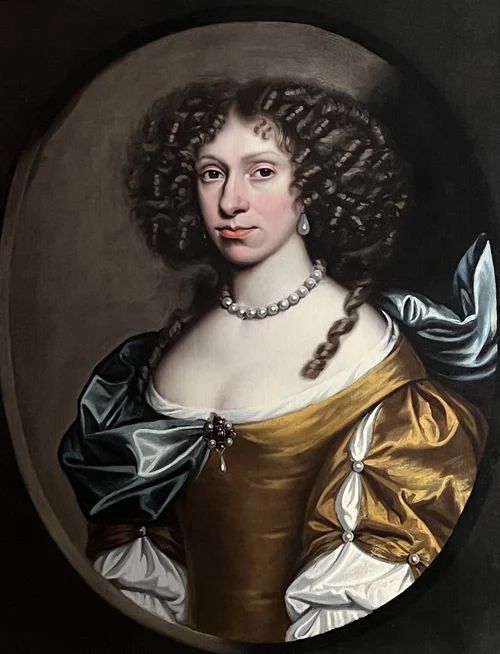
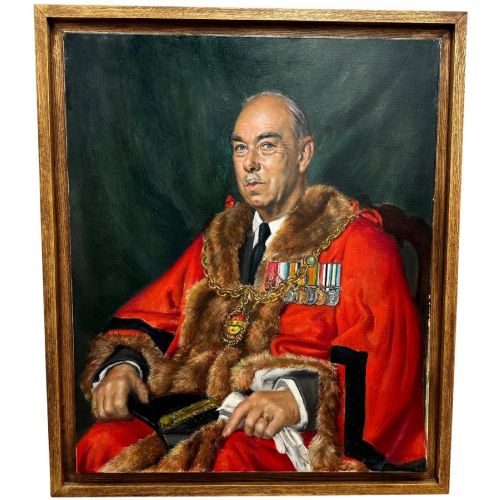
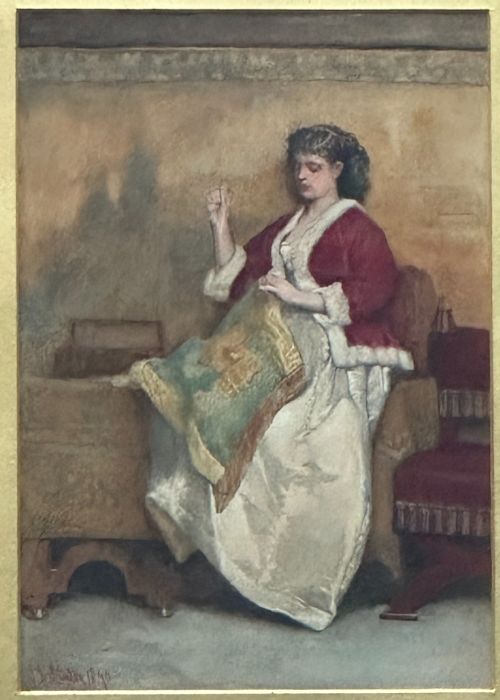
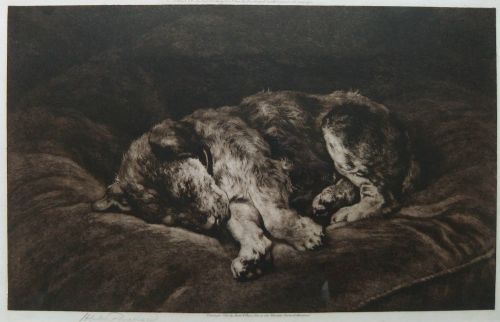
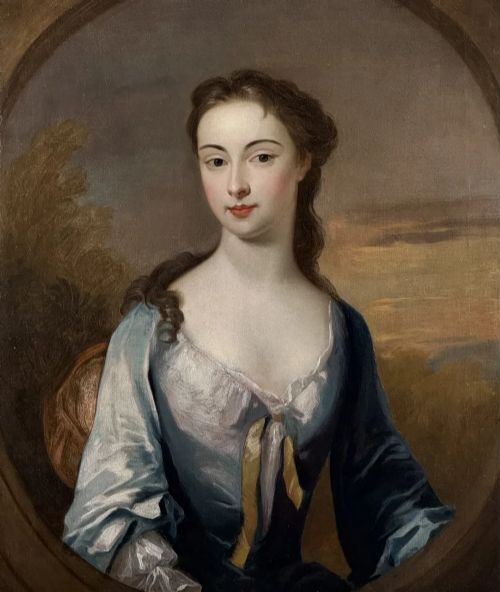
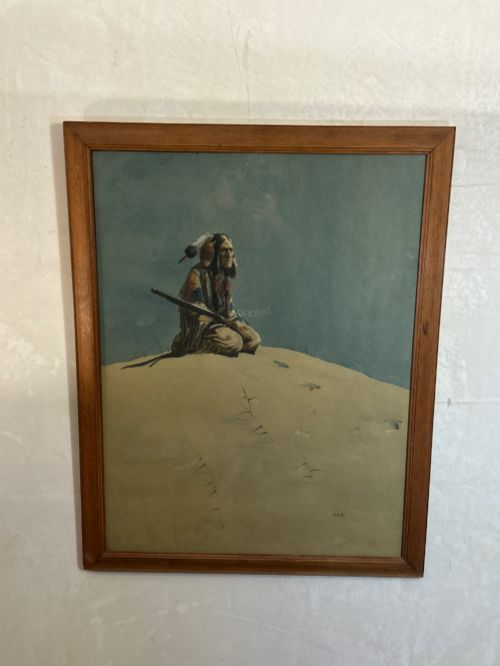
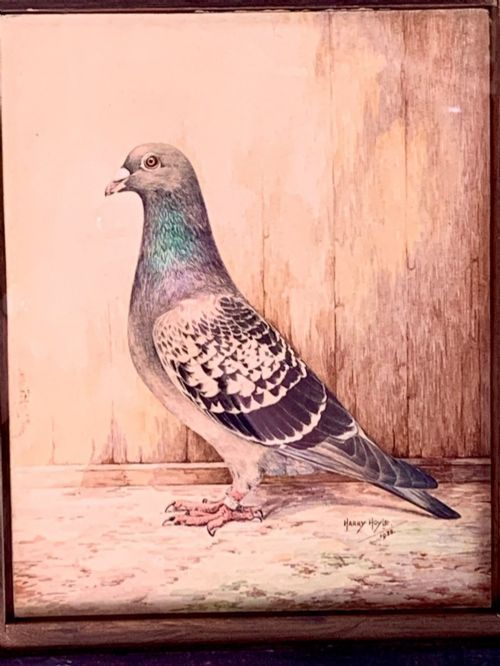
The pieces on this page appear in numerous forms including framed oil paintings on canvas or wood panel, delicate watercolours, pastels on paper, engravings, etchings, and pencil sketches. Subjects range from formal aristocratic commissions and mayoral dignitaries to intimate studies of children, animals, and anonymous sitters.
Buyers will encounter British and European schools, spanning Georgian elegance, Regency restraint, and nineteenth-century realism. Whether selecting a large statement oil painting or a small miniature silhouette, each piece records an individual likeness from the past.
How They Were Made
Artists painted primarily with oil on canvas or wood panels, building rich layers of pigment and glaze to render fabrics and flesh tones. Many works utilise watercolour, gouache, pastel, or pencil on paper and buff paper supports.
Listings feature works spanning the 17th, 18th, 19th, and 20th centuries across oil, watercolour, pastel, and print media.
What Varies In Quality
The skill of the artist dictates the psychological depth and anatomical precision visible in the sitter's expression and hands. Master artists capture light and texture with nuance, whereas lesser works display stiffness in posture and proportion.
The preservation of the original surface material heavily influences desirability, particularly with unlined canvases, stable paint layers, and untouched watercolours. Original period frames matching the age of the artwork also elevate the complete object.
Eugène Verboeckhoven·Joseph Clover·David Scougall·Bernard Hailstone·Sir James Dromgole Linton·Herbert Dicksee·John Hayls·Charles Jervas·John Hassall·Robert Heinrich·Lemuel Francis Abbott·Vittorio Reggianini·Kurt Meyer-Eberhardt·Albert Clark·Margaret Sarah Carpenter·John Opie·Adelaïde Salles-Wagner·Max Kaltenmoser·James Howe·Carl Felkel·Herbert Ashwin Budd·Sir Joshua Reynolds·Alfred Holst Tourrier·Petrus Johannes Arendzen·Gerrit Dou
The Original Portrait Glossary
- Oil on Canvas
- Pigment mixed with drying oil applied to stretched woven fabric. This medium dominated portraiture for centuries due to its blending capabilities.
- Mezzotint
- A printmaking process where the copper plate is roughened to achieve dark tones and scraped to create highlights. It produces rich gradations suited for tonal portraits.
- Panel
- A rigid support made from wood used by artists before canvas became standard. Wood panels require careful conditioning to prevent warping.
- Drypoint
- An intaglio printmaking technique where an artist scratches lines directly into a metal plate with a sharp needle. This creates a distinct burr that yields velvety printed lines.
- Gouache
- An opaque water-based paint composed of pigment and binder. It offers flat, saturated colour areas frequently found in twentieth-century works on paper.
- Silhouette
- A solid dark profile portrait cut from paper or painted against a light background. These miniature likenesses gained popularity during the Georgian and Regency periods.
Original Portrait: Frequently Asked Questions
How do I identify the period of a portrait?
Examine the sitter's clothing, hairstyle, and framing style for clues that match historical fashion trends. Artists' signatures and dated inscriptions also provide a reliable guide to the exact era of creation.
Comparing the support material, such as canvas weave or panel thickness, helps confirm whether the piece belongs to the seventeenth, eighteenth, or nineteenth century.
Were all antique portraits painted of wealthy people?
While aristocratic sitters and wealthy merchants commissioned most large oil paintings, artists also recorded ordinary people, children, and domestic animals. Miniature watercolours and pencil sketches frequently captured middle-class family members.
Print portraits made likenesses of public figures and actors widely accessible to collectors outside the nobility.
How should I hang an oil portrait at home?
Hang your portrait away from direct sunlight and strong heat sources to protect the canvas or paper from fading and drying out. Ensure the wall fixings safely support the weight of heavy giltwood frames.
Maintain stable indoor humidity levels to prevent the wooden panels or canvas stretchers from warping over time.
What is the difference between a painting and an engraving?
Paintings are unique handmade works created using wet media such as oil or watercolour directly applied to a surface by the artist. Engravings are printed multiples created by carving an image onto a metal plate.
Original engravings still count as antique works of art when printed during the period by the designated artist or printmaker.