
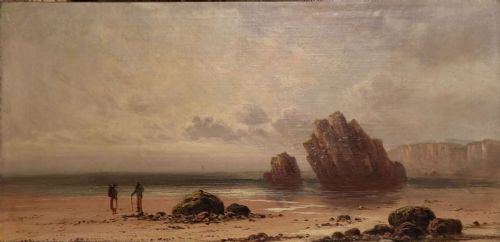
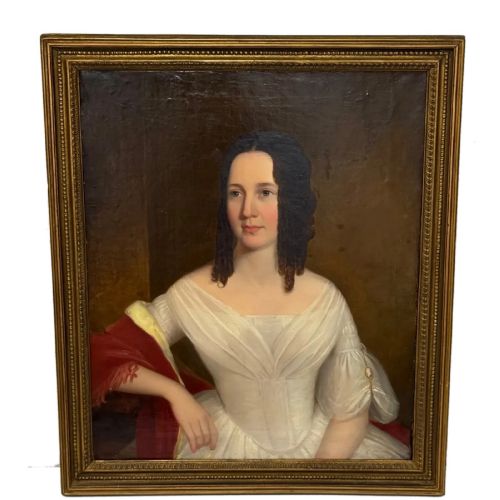
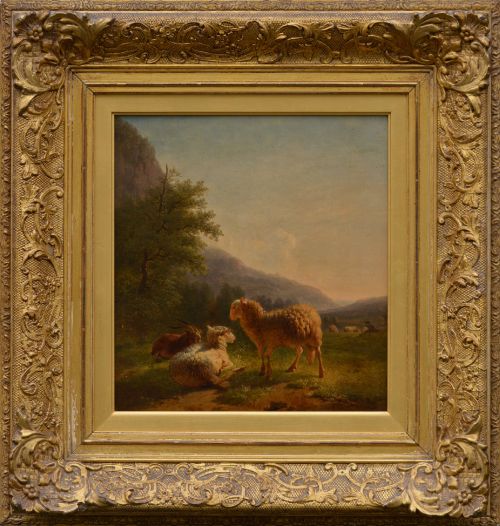


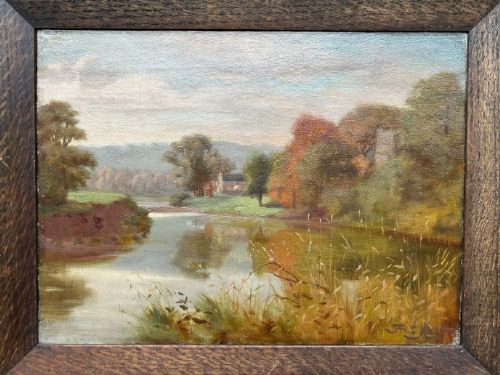
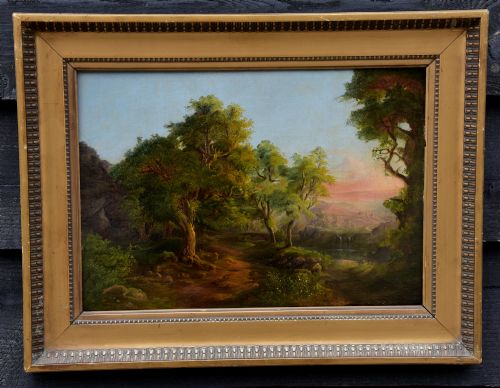
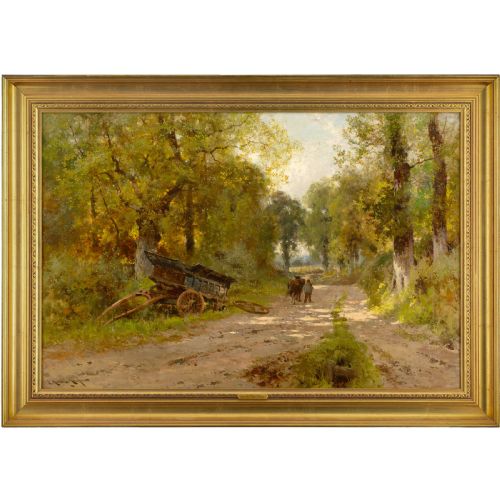
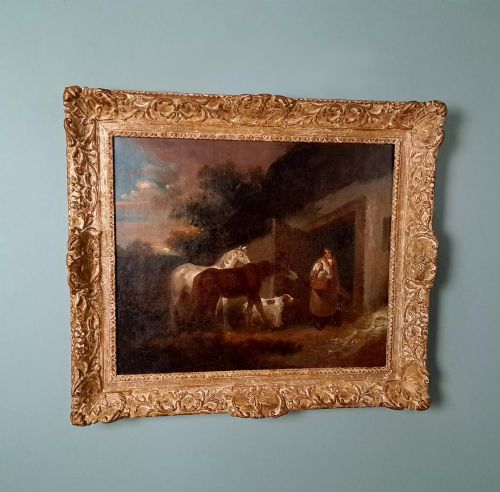
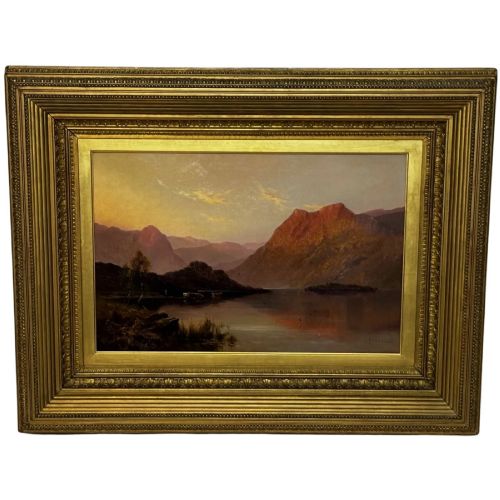
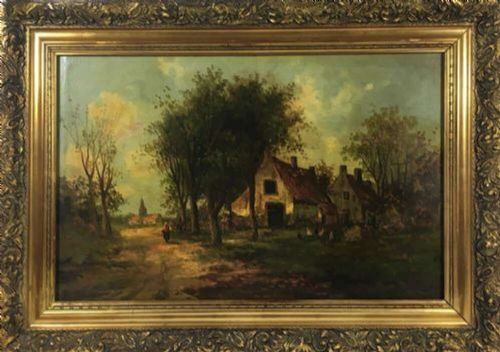
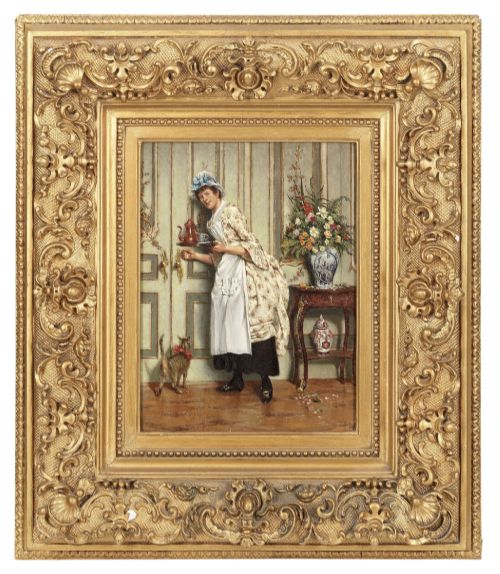
Original 19th Century Oil Artwork
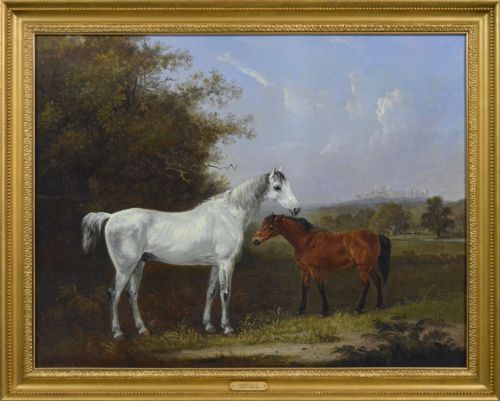
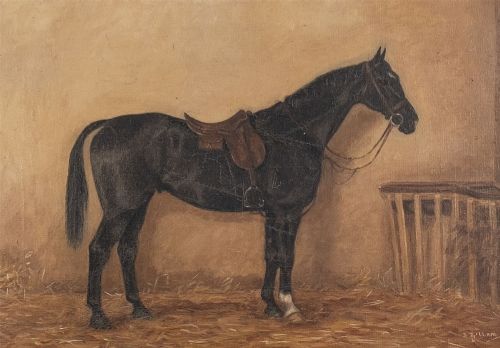
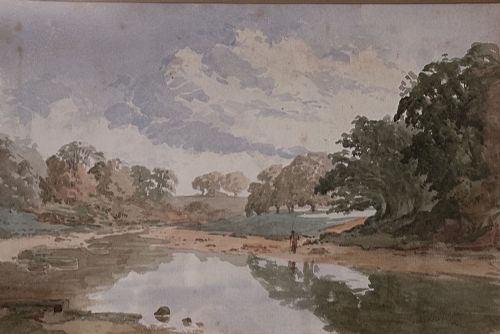
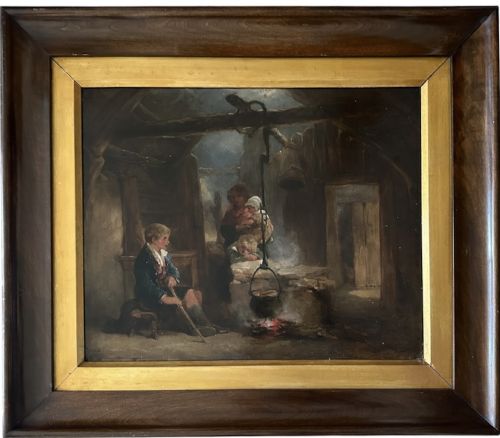
These original 19th century oil artwork pieces bring canvas and panel history into a room through genuine period portraiture, landscapes and genre scenes.
Original 19th Century Oil Artwork
Original 19th century oil artwork encompasses hand-painted canvases and wooden panels created during the Victorian, Regency and Georgian eras, spanning landscapes, portraits and interior scenes. Buyers seeking these works encounter British, French, Italian and Flemish pieces executed by named artists and regional schools.
The most common formats on this page are framed landscapes depicting woodland, river views or pastoral settings, alongside intimate oil portraits on canvas or board. These paintings reflect the prevailing Romantic, Realist and Impressionist sensibilities of the nineteenth century.
Works range from modest village scenes on wooden panels to grand architectural views of Venice and detailed figure compositions. Each piece carries the distinct brushwork and material patina of its specific decade of production.
Materials and construction
Artists of the period applied oil paint primarily to stretched canvas or prepared wooden boards, building compositions through layered pigment and varnish. These supports were framed in timber mouldings finished with gesso and gold leaf or giltwood.
Panels required seasoned wood to prevent warping, while canvases were primed with gesso grounds before receiving the artist's brushwork. Frames frequently incorporate moulded gesso ornamentation finished in gilt to complement the painted surface.
Listings feature works spanning the nineteenth century, utilising oil paint on canvas and wood panels within giltwood frames.
Evaluating painting quality
Quality in these paintings rests upon the confidence of the draughtsmanship, the handling of light and shadow, and the preservation of the original pigment layers. Masterful works demonstrate subtle tonal transitions and expressive brushwork rather than rigid adherence to formula.
The integrity of the underlying canvas or wood panel, combined with the condition of the historic gilt frame, determines the overall standing of an individual piece. Superior examples retain their original surface texture without excessive overpaint or heavy restoration.
Eugène Verboeckhoven·Joseph Clover RA·Frederick Marriott·John Horace Hooper·William Joseph Shayer Senior·Alfred Fontville de Breanski Jr·Stephen Samuel Lewin·Vittorio Reggianini·Thomas W Lascelles·Gabriel Mathieu·David Bates·Benjamin Barker of Bath·Albert Clark·Francis Moltino·Margaret Sarah Carpenter·Konstantin Stoitzner·Adelaïde Salles-Wagner·Max Kaltenmoser·Thomas Sidney Cooper·Harald Foss·Louis Charles Verwee·William Blake Richmond·Stephen Pearce·Albert Rieger·Alfred Pollentine
The Original 19th Century Oil Artwork Glossary
- Canvas
- Woven fabric stretched across a wooden stretcher frame to serve as a painting support. It provides a flexible surface that responds to environmental humidity.
- Gesso
- A plaster mixture applied to wood panels or canvas grounds to create a smooth surface for oil painting, or moulded onto frames before gilding. It gives rigidity and a bright white base.
- Panel
- A flat piece of wood used as a rigid alternative to canvas for oil paintings. Wooden boards were frequently utilised throughout the nineteenth century for smaller cabinet pictures.
- Giltwood
- Timber carved and coated with gold leaf or metallic powder. It provides the ornate reflective border typical of period picture frames.
- Genre scene
- A painting depicting aspects of everyday life, such as domestic interiors, market stalls or rural labour. These works focus on ordinary people rather than historical or mythological subjects.
Original 19th Century Oil Artwork: Frequently Asked Questions
How do I clean an old oil painting?
Surface dust may be removed gently with a soft, dry natural bristle brush, taking care around any craquelure or losses in the paint layer.
Chemical cleaning or the removal of aged varnish must be left to a professional conservator to avoid damaging the original pigment.
Are these paintings signed by the artist?
Many works feature the artist's signature or monogram, whilst others remain unattributed or represent the output of regional schools.
Signatures should be examined under magnification alongside the surrounding paint structure to ensure authenticity.
How should I frame a 19th century canvas?
Period works look best housed in contemporary giltwood or moulded frames that match the aesthetic of the nineteenth century.
Ensure the rebate allows adequate depth without pinching the canvas stretcher or wooden panel.
Where were these nineteenth century works produced?
The listings include paintings originating from British, French, Italian, and Flemish studios and academies.
Regional painting styles often reveal themselves through subject matter, palette choices, and framing traditions.