




Original 1920s Watercolour Art
Original 1920s watercolour art brings vibrant period atmosphere to walls through hand-painted works on paper.
Original 1920s Watercolour Art
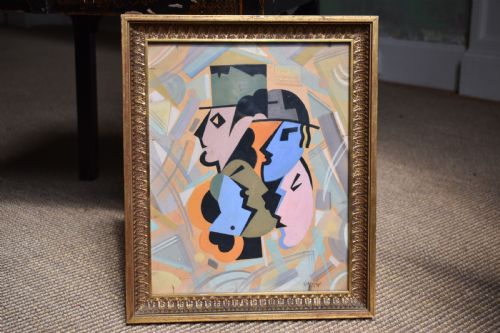
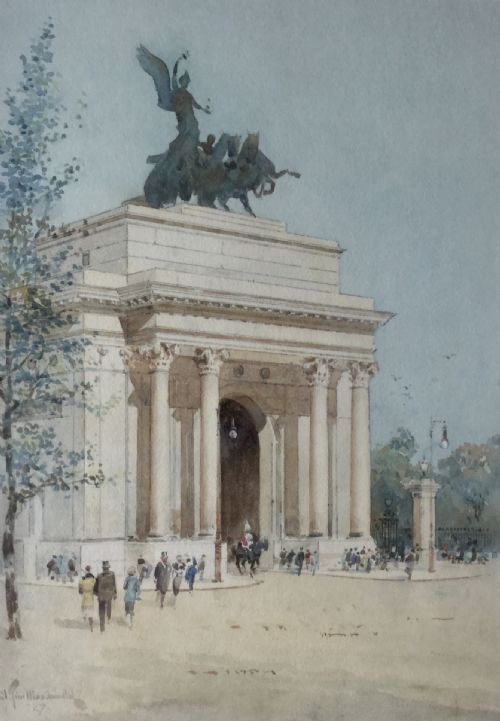
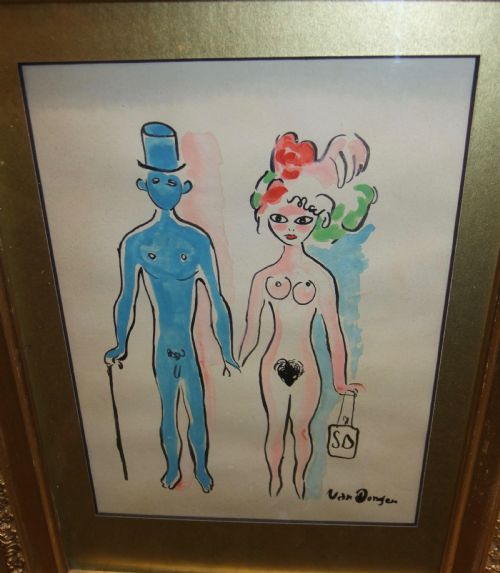
Original 1920s watercolour art comprises hand-painted works on paper capturing landscapes, townscapes, portraits, and theatrical scenes. These pieces reflect early twentieth-century British, French, and broader European artistic movements.
Buyers encounter subjects ranging from Lake District vistas and Scottish portraits to French village scenes and architectural studies of Lincoln. Many works are preserved within their period frames behind glass.
The selection spans traditional English impressionism, interwar realism, and post-impressionism. Pieces often date precisely around nineteen twenty to nineteen thirty, showcasing the varied aesthetics of the decade.
Materials and execution
Watercolour pigment applied directly to paper forms the primary medium for these works. Artists frequently combined watercolour with gouache and pencil underdrawings to build depth and tactile surface detail.
Works are typically presented on paper supports, occasionally enhanced with ink. Framing materials commonly include wood and gilt wood to protect the delicate paper surfaces behind glass.
Listings feature works created across several decades, ranging from Victorian productions through nineteen ten, nineteen twenty, and nineteen fifty.
Assessing quality and significance
Quality rests upon the artist's handling of pigment, compositional strength, and the immediacy of the brushwork. Works by recognised figures or established regional painters carry distinct artistic authority.
Condition and preservation heavily influence the standing of a piece. Well-maintained paper free from heavy fading, alongside period framing that protects the artwork, elevates the piece.
Owen Bowen·Edward Horace Thompson·Edith E Caswall·Fred Lawson·Maurice Asselin·Dame Laura Knight·George Graham·Leo Klin
The Original 1920s Watercolour Art Glossary
- Watercolour
- A paint consisting of a pigment suspended in a water-soluble vehicle. It is typically applied to paper to create translucent washes of colour.
- Gouache
- An opaque watercolour paint made by mixing pigment with a binding agent and white filler. Artists use it alongside transparent watercolour to add solid highlights.
- Works on paper
- A broad term encompassing drawings, watercolours, and prints executed upon paper supports. These items require protection behind glass to prevent environmental damage.
- Post-Impressionism
- An artistic movement developing roughly between eighteen eighty-six and nineteen fourteen that extended impressionism while rejecting its limitations. Artists prioritised symbolic content and expressive use of paint.
- Interwar Realism
- An artistic approach prominent between the first and second world wars. It focused on realistic representation of everyday scenes, landscapes, and human figures.
Original 1920s Watercolour Art: Frequently Asked Questions
How should I display original watercolour art?
Watercolour paintings on paper require careful placement away from direct sunlight to prevent fading of the delicate pigments. Hanging them in rooms with stable humidity levels protects both the paper support and any historic framing.
Ensuring the artwork remains safely glazed behind glass prevents airborne dust and moisture from damaging the paint surface over time. Professional framing with acid-free backing further preserves the longevity of these period pieces.
How do I identify a nineteen twenties watercolour?
Dating relies on stylistic markers characteristic of the interwar period, such as early twentieth-century British or post-impressionist techniques. Many pieces carry period signatures, dates, or framing styles consistent with the era.
Subject matter often reflects the culture and landscapes of the period, from townscapes to theatrical portraits. Examining the paper type and framing materials provides additional clues regarding the age of the artwork.
What is the difference between watercolour and gouache?
Traditional watercolour relies on transparent washes of pigment that allow the white of the paper to shine through. This creates a luminous, delicate effect across landscapes and portraits.
Gouache introduces an opaque quality by adding white pigment to the mixture, allowing artists to paint solid highlights and bolder areas of colour. Many artists combined both mediums on paper to achieve varied surface textures.
Are these works always framed?
Many watercolours survive within their original or period frames featuring wood and gilt wood surrounds. These historic frames often complement the aesthetic of the artwork itself.
Some works on paper appear unframed or require conservation-grade reframing to ensure proper structural support. Checking the listing details reveals whether glass and framing are included with the painting.