

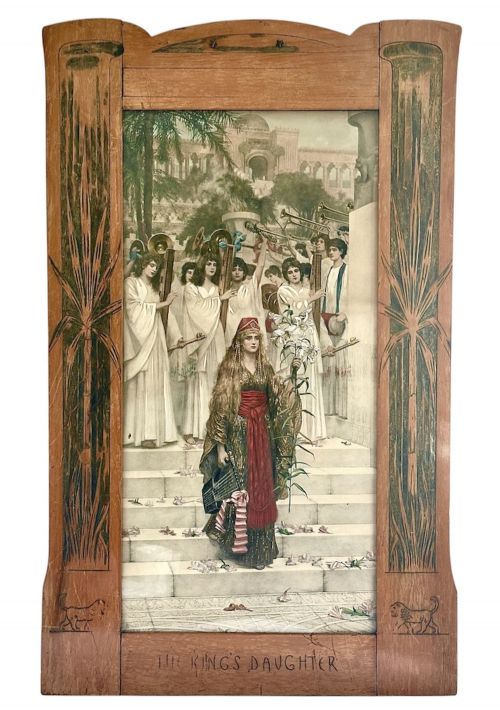


Orientalist Portrait Artwork
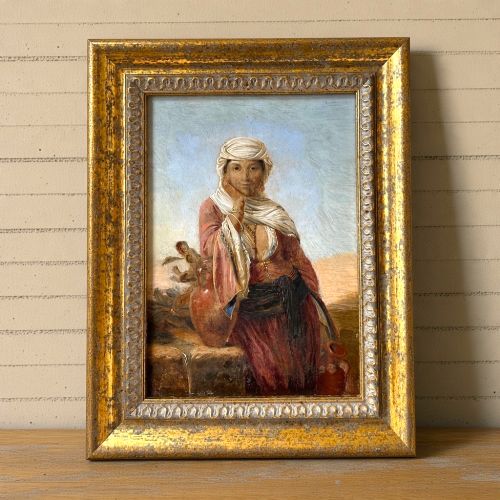
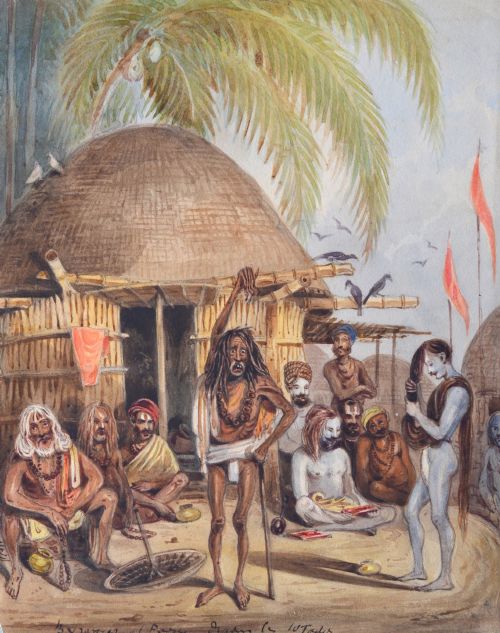
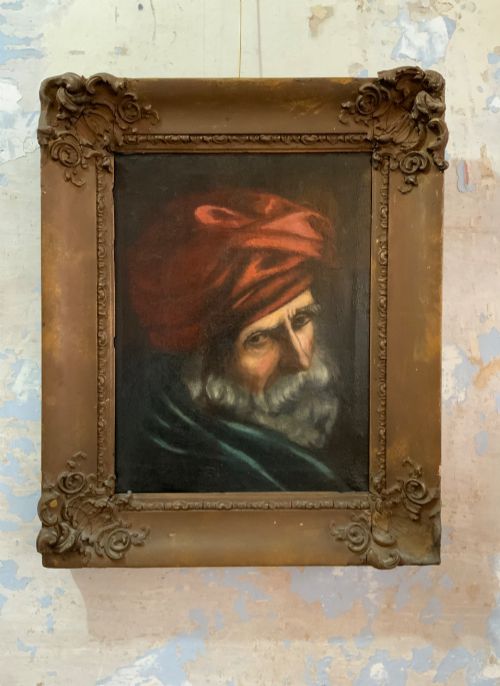
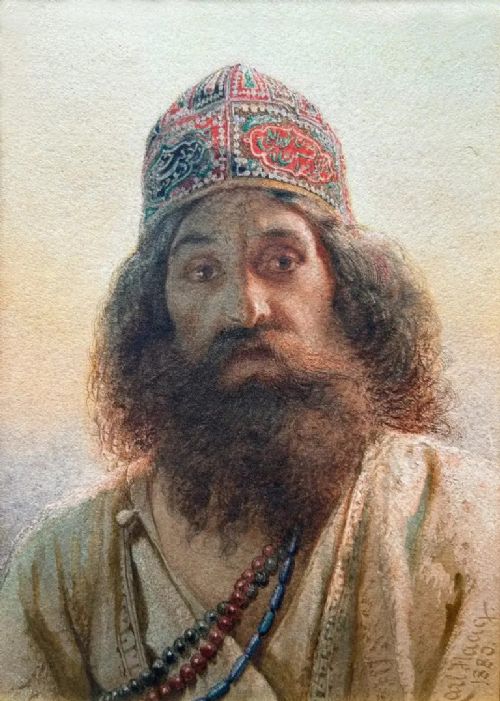
These orientalist portrait artwork pieces capture characters and scenes from distant lands through nineteenth and twentieth century eyes.
Orientalist Portrait Artwork
Orientalist portrait artwork represents figures from North Africa, the Middle East, and South Asia through the lens of nineteenth and twentieth century European and British artists. When you examine orientalist portrait artwork on this page, you will encounter diverse subjects ranging from Persian gentlemen and Arabic men to holy men of India and eastern beauties.
The selections span distinct periods including Victorian and Edwardian eras, alongside pieces dated around eighteen-ninety, nineteen-ten, and nineteen-thirty. Forms vary from traditional oil paintings on canvas, board, and panel to watercolours, charcoal drawings, pastels, and photogravures.
Stylistic influences stretch across nineteenth century orientalism, French orientalist traditions, British colonial works, art nouveau, and Anglo-Indian aesthetics. Each piece presents a specific character study or narrative scene, framed in wood, giltwood, or glass.
How they were made
Artists utilised traditional mediums such as oil paints on canvas, wood panels, and heavy board to build rich textures and deep colour palettes. Watercolours and heightened charcoal drawings on paper offered a lighter touch, often combined with pastel or ink to capture fine details in costume and expression.
Supporting these works, framers housed the art in giltwood and carved wood frames, sometimes protected beneath glass. Photogravure printing techniques also appear, translating photographic detail into ink on paper for wider dissemination.
Orientalist Portrait Artwork Retail Price Guide 2026
Typical asking prices for orientalist portrait artwork among the pieces listed under this phrase on Sellingantiques today, from the lower quarter to the upper quarter. They describe what is for sale here now, not the wider market.
Dogs and howling dawahes share the historical stage with maharajas and Persian gentlemen.
What varies in quality
The strength of an orientalist portrait artwork lies in the handling of the subject's expression and the rendering of period textiles, turbans, and architectural backgrounds. Masterly brushwork or confident charcoal strokes distinguish pieces with strong presence from stiffer, more formulaic compositions.
Condition of the original paper, canvas, or panel alongside the preservation of the antique frame determines the overall integrity of the piece. Signatures, legible inscriptions, and documented artist attributions further separate standard decorative examples from significant historical works.
William Tayler·Carl Haag·Herbert Gustave Schmaltz·Charles Bellay·Abraham Cooper·K. Schubert
The Orientalist Portrait Artwork Glossary
- Orientalism
- Artistic and cultural interest in the Near East, Middle East, and North Africa explored by European creators. This aesthetic shaped the portraits, landscapes, and genre scenes produced throughout the nineteenth and early twentieth centuries.
- Photogravure
- A printmaking process that produces photographic images from an engraved copper plate. This technique yields deep tonal gradations and rich continuous tones resembling original monochrome photographs.
- Giltwood
- Timber that has been coated with a thin layer of gold leaf or gesso powder and size. It provides ornate, reflective framing for many nineteenth century paintings and works on paper.
- Panel painting
- A painting executed on a flat piece of wood rather than stretched canvas. This rigid support was favoured by various nineteenth century artists for smaller, highly detailed works.
- Pastel
- A dry drawing medium consisting of powdered pigment and a binder. It allows for soft blending and vibrant matte colour surfaces on paper or canvas.
Orientalist Portrait Artwork: Frequently Asked Questions
What periods do these portraits date from?
The works on this page primarily date from the nineteenth century, including Victorian examples, extending through to the nineteen-thirties and nineteen-fifties.
Artists working across these decades employed traditional painting and drawing techniques to record individuals from non-European cultures.
What mediums were used for these artworks?
Creators utilised oil paints on canvas, wood panels, and board, alongside watercolours, heightened charcoal, and pastels on paper.
Additionally, photogravure prints on paper preserve works originally created in other mediums.
How should I display these framed pieces?
These works suit traditional or eclectic wall displays where adequate space allows the detailed subjects and ornate frames to stand out.
Protect them from direct sunlight to preserve the pigments in watercolors, pastels, and oil paints.
How do I identify different styles here?
Styles range from nineteenth century French and British orientalism to art nouveau and colonial aesthetics.
Examining the handling of costume, background architecture, and signature styles helps distinguish regional approaches.