


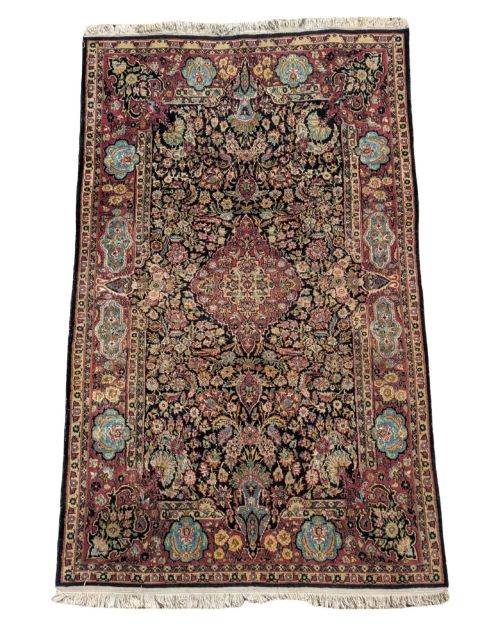
Oriental Wool Floor Carpet
An oriental wool floor carpet brings rich texture and enduring craft into a room, spanning tribal origins and grand city workshops.
Oriental Wool Floor Carpet
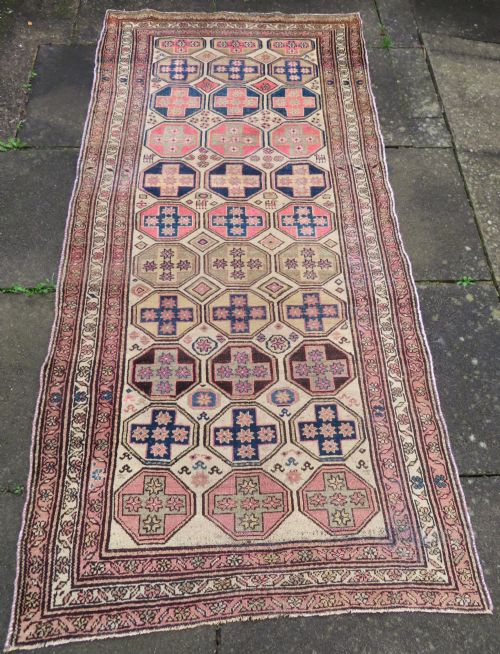
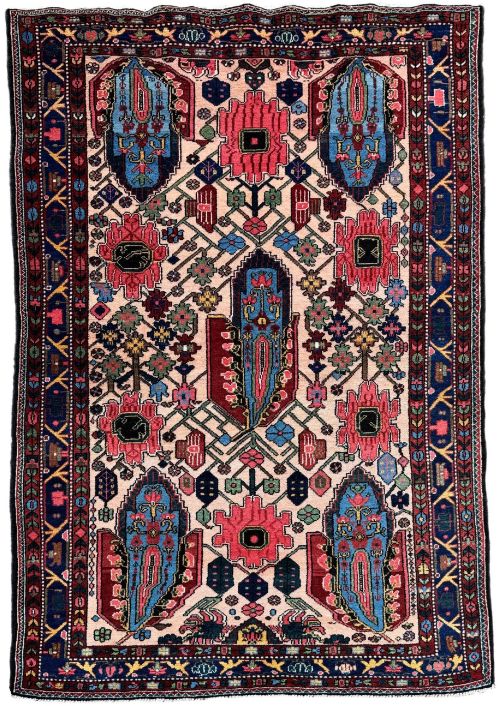
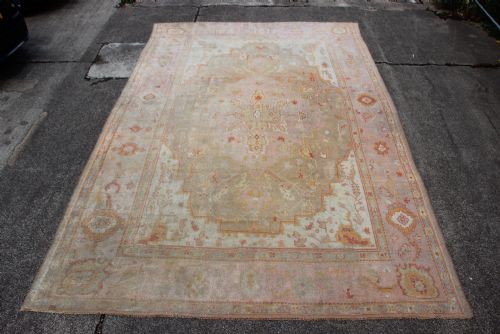
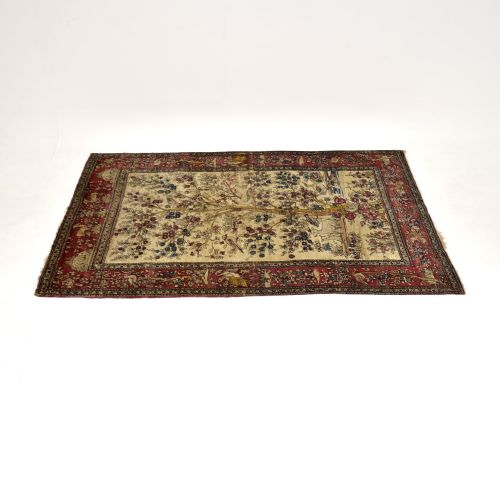
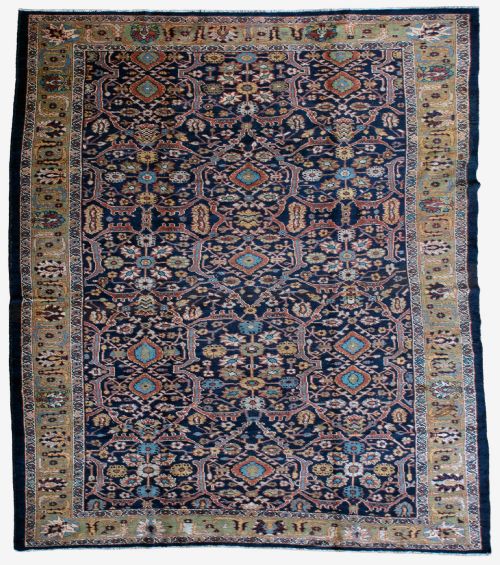
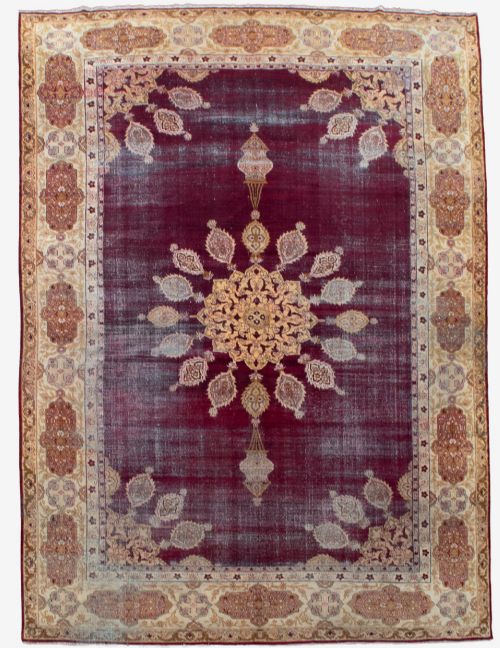
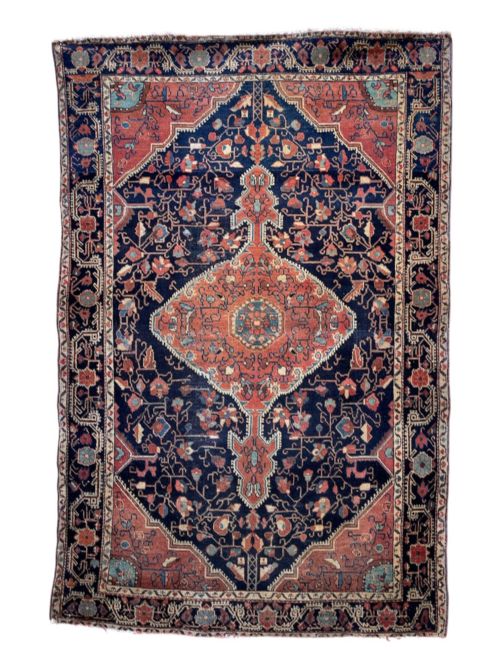
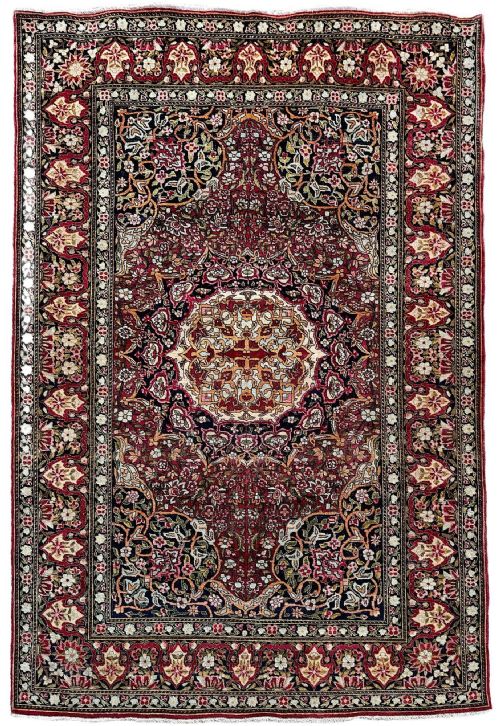
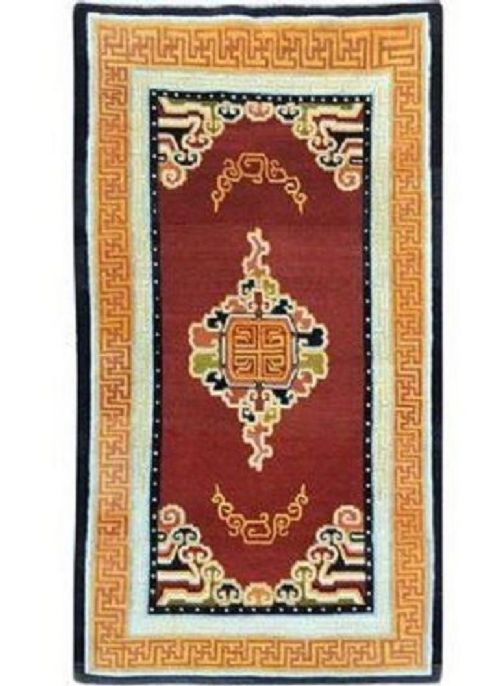
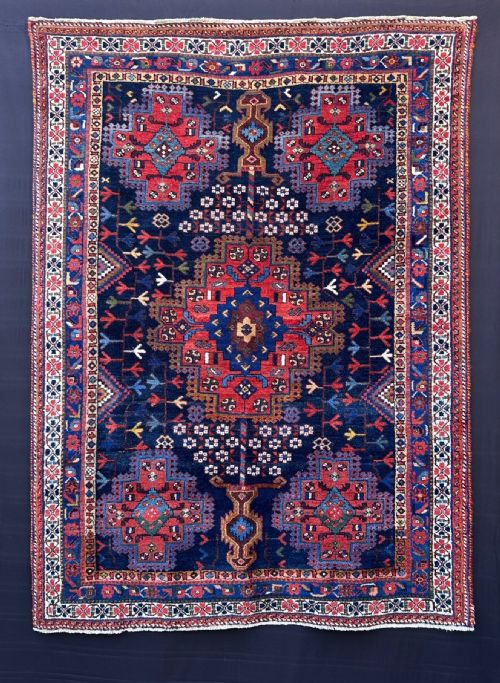
An oriental wool floor carpet encompasses hand-knotted textiles originating from regions including Persia, Turkey, the Caucasus, and Central Asia. Buyers encounter diverse formats, ranging from large drawing-room carpets to smaller village rugs and elongated runners.
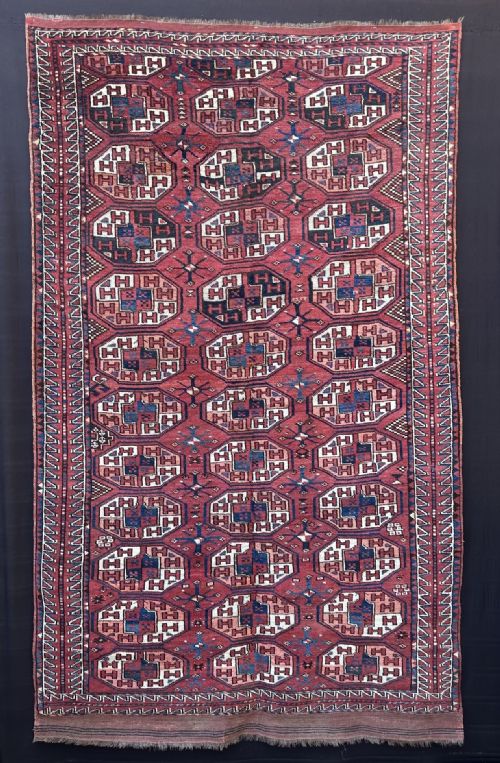
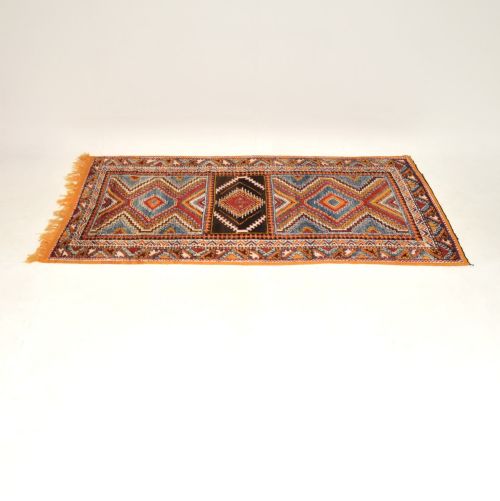
The selections span from the mid nineteenth century into the early twentieth century, showing distinct regional patterns. Tribal pieces display geometric motifs from groups such as the Turkmen, Baluch, and Kurdish weavers, while city carpets present sophisticated floral and medallion layouts.
Most examples rely on a durable wool foundation enhanced by traditional dying methods. These floor coverings served functional purposes in nomadic tents, village homes, and stately residences alike before reaching the antique market.
Materials and Technique
Weavers constructed these carpets predominantly using sheep wool for the pile, foundations, and knots, sometimes incorporating cotton for warp and weft threads to add structural stability. Selected nineteenth and twentieth-century examples also integrate silk highlights to emphasise specific details within the design.
Natural dyes provide the varied colour palette seen across the pieces, derived from plant and mineral sources that yield deep reds, blues, and earth tones. Artisans tied individual knots by hand onto vertical looms, creating dense surfaces designed to withstand decades of foot traffic.
Some nineteenth-century weavers secretly wove minor asymmetry into their geometric borders to ward off wandering evil spirits.
Distinctions in Quality
The refinement of the knotting density and the precision of the design execution distinguish finer examples from simpler village work. Finer carpets display tightly packed knots on supple foundations, allowing complex curvilinear patterns to hold their definition over time.
The depth and consistency of the natural dyes significantly influence the visual appeal, as well-matured vegetable colours acquire a softer patina with age. The integrity of the original wool pile and the survival of the outer borders also dictate the standing of an individual textile.
The Oriental Wool Floor Carpet Glossary
- Warp
- The stationary vertical strings stretched on a loom that form the skeleton of the carpet. The exposed ends often terminate in fringes.
- Weft
- The horizontal threads passed through the warp rows between lines of knots to bind the structure together. They stabilize the width of the textile.
- Pile
- The vertical tufts of wool, cotton, or silk clipped to form the soft surface of the carpet. Its height and density affect how the pattern reads.
- Guls
- The repeating octagonal medallion motifs characteristic of Turkmen and Baluch tribal weaving traditions. Each design variation often identifies a specific clan.
- Kelleh
- A large rectangular format traditionally used as a room-size carpet or runner in Persian interiors. These elongated pieces occupy significant floor space.
- Prayer rug
- A small format featuring a distinct niche or mihrab design at one end, traditionally oriented toward Mecca during daily devotions.
Oriental Wool Floor Carpet: Frequently Asked Questions
Can I place these rugs in heavy traffic areas?
Durable wool pile construction allows these carpets to endure regular foot traffic in hallways and living rooms. Placing a breathable, high-quality underlay beneath the rug prevents sliding and cushions the fibres against wear.
Rotating the carpet periodically ensures even exposure to sunlight and foot traffic. High-traffic placement suits sturdy village and tribal weaves particularly well.
How do I identify a tribal design?
Tribal designs feature bold geometric patterns, repeating motifs, and stylized animal or plant forms rather than elaborate curves. Weavers from nomadic or village communities created these from memory without formal paper cartoons.
Palettes often emphasise rich reds, deep indigos, and warm earth tones derived from local plants. The resulting irregularities in symmetry highlight the individual hand of the maker.
What is the difference between a runner and a carpet?
Runners feature an elongated, narrow format designed specifically for hallways, corridors, and bedside placement. Their dimensions accommodate restricted spaces where standard rectangular rugs would not fit.
Carpets offer much broader proportions intended to anchor entire seating areas or dining spaces. Both formats utilise the same hand-knotted wool techniques but serve entirely different spatial functions.