




Oriental Watercolor Art
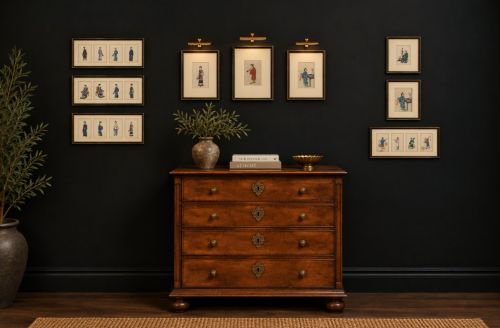
Oriental watercolor art brings delicate botanical studies, figures, and landscapes from Asian traditions into Western framing.
Oriental Watercolor Art
Oriental watercolor art encompasses delicate paintings and works on paper created across various Asian traditions, predominantly featuring Chinese and Japanese subjects. When exploring oriental watercolor art, buyers encounter diverse formats ranging from framed silk panels and pith paper sheets to bound albums.
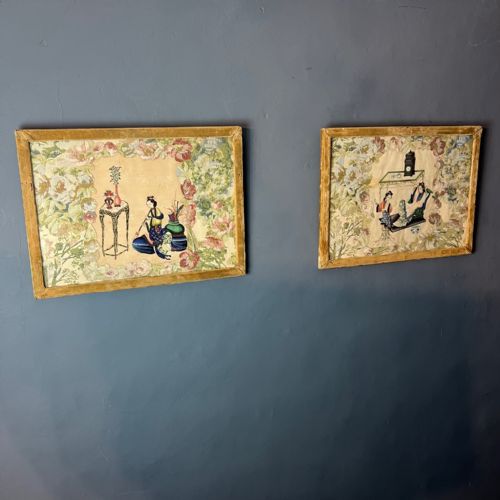
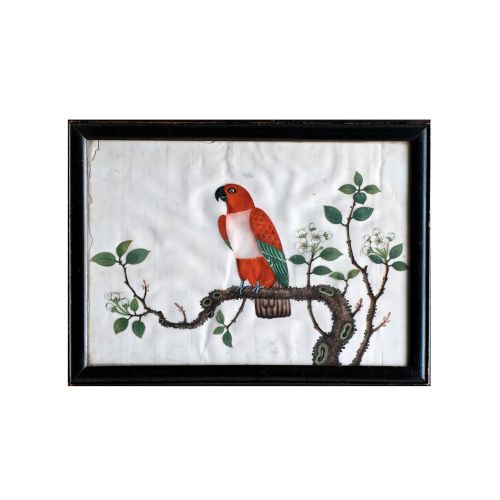
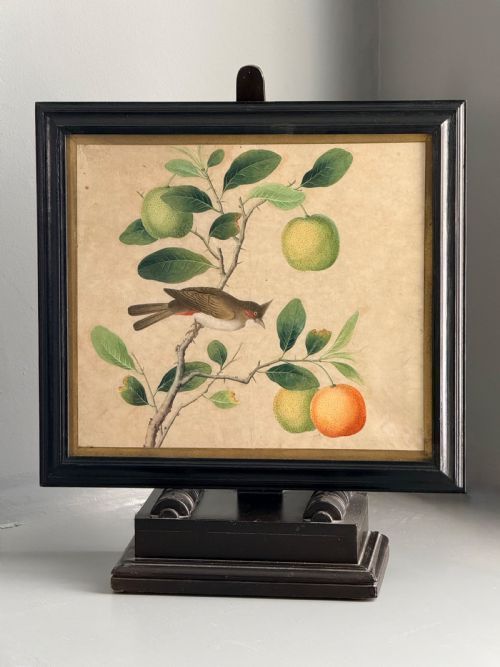
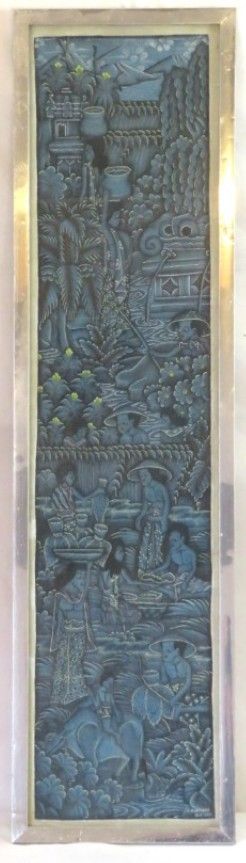
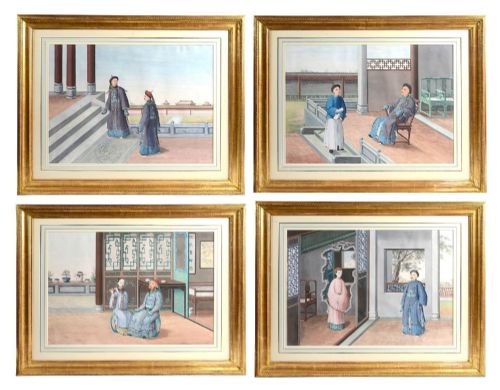
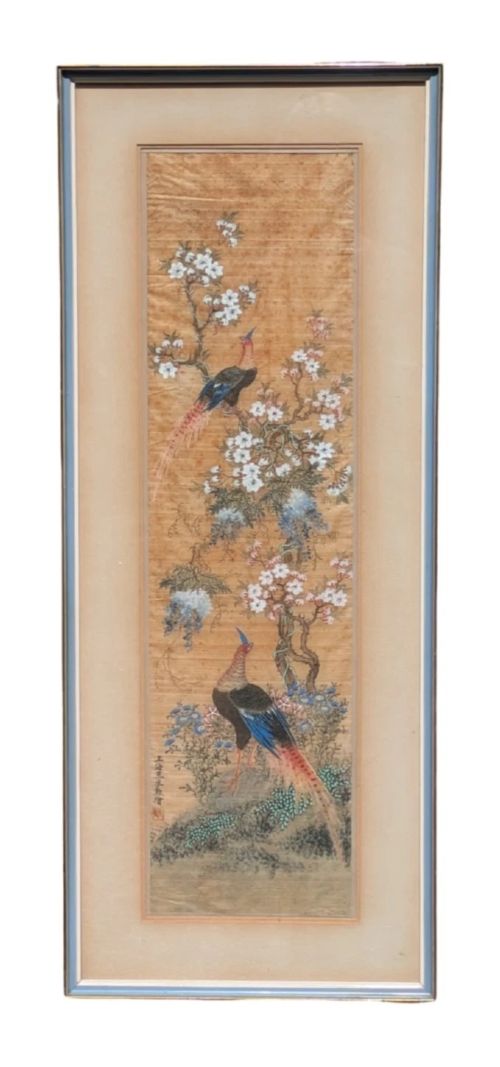
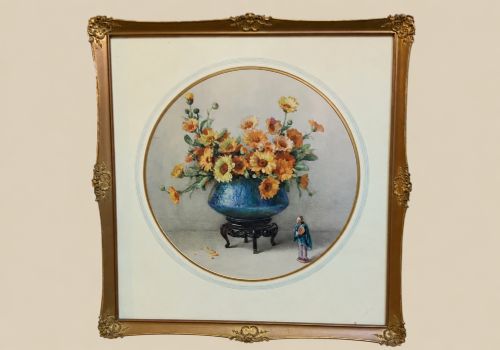
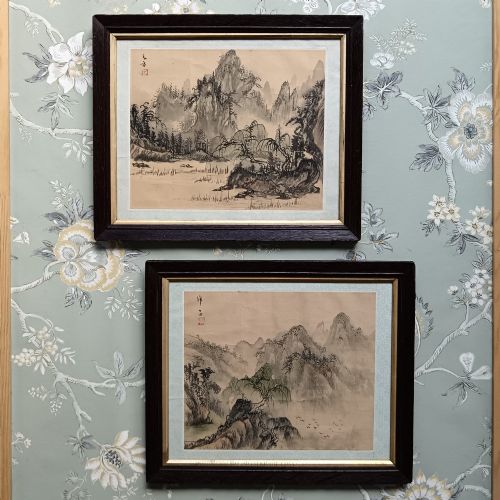
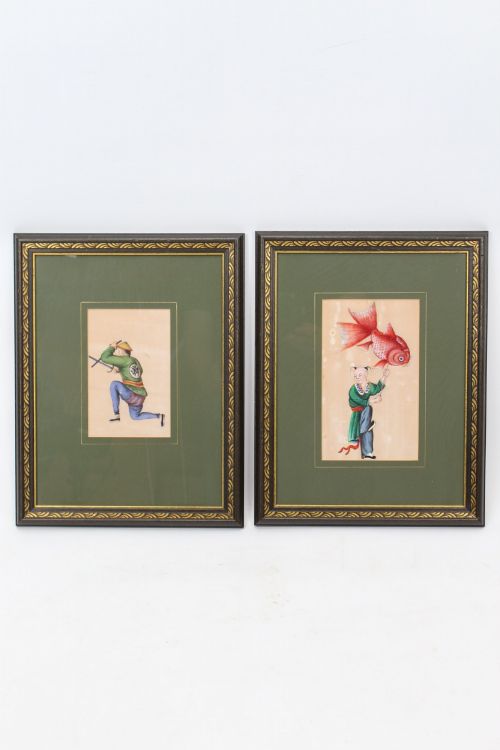
The selection on this page leans heavily toward nineteenth-century Chinese export works and early twentieth-century Japanese paintings. Examples include figural pith paper groups, botanical still lifes, and dynamic depictions of birds, insects, and narrative scenes.
Makers and artists from the nineteenth and twentieth centuries appear alongside anonymous export pieces produced for international markets. Works stretch from eighteenth-century gouache paintings to mid-twentieth-century ink and watercolour compositions presented in original mounts.
Materials and Techniques
Artists utilised traditional supports including delicate pith paper, often referred to as rice paper, alongside woven silk, fabric, and standard paper or board. These fragile grounds required careful handling during application.
Pigments combined watercolours, opaque gouache, and black or coloured inks to achieve varied opacity and tonal depth. Many pieces retain their original wooden frames and glass protection, preserving the water-soluble pigments from atmospheric damage.
Oriental Watercolor Art Retail Price Guide 2026
Typical asking prices for oriental watercolor art among the pieces listed under this phrase on Sellingantiques today, from the lower quarter to the upper quarter. They describe what is for sale here now, not the wider market.
Listings span from the eighteenth century to the mid-twentieth century, featuring watercolours, gouache, and ink on pith paper, silk, and glass.
Assessing Quality
Quality in these works rests upon the precision of the brushwork and the preservation of the delicate ground material. Finer examples display confident lines in the ink underdrawing and vibrant, stable pigments that have resisted fading.
The condition of the support surface distinguishes superior items, particularly with fragile pith paper or silk where tears and staining significantly impact visual integrity. Original framing and artist signatures or seals further elevate individual pieces.
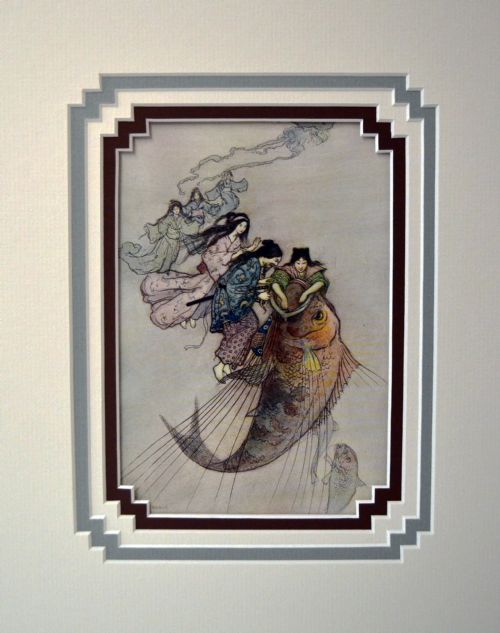
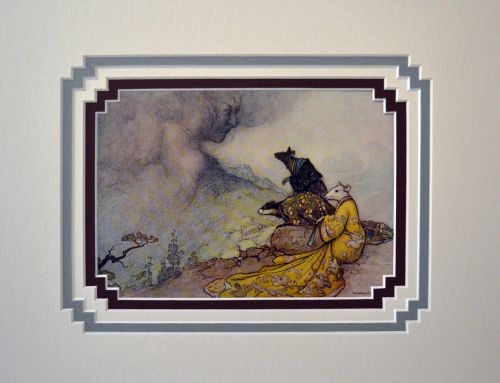
Warwick Goble·YA MING·Takashi Nakayama
The Oriental Watercolor Art Glossary
- Pith paper
- A delicate, spongy material sliced from the pith of the Tetrapanax papyrifer plant, commonly used in nineteenth-century Chinese export painting. It accepts water-based pigments with a distinctive luminous velvety texture.
- Gouache
- An opaque water-based paint composed of pigment, water, and a binding agent such as gum arabic, frequently combined with watercolour in export paintings. It provides solid blocks of colour and crisp highlights.
- Silk
- A fine protein fibre woven into fabric used as a painting support in traditional East Asian art. Artists mounted their watercolours and inks directly onto prepared silk panels.
- Shan Shui
- A traditional style of Chinese painting featuring natural scenery such as mountains, rivers, and waterfalls. These compositions often incorporate ink and watercolour washes on silk or paper.
- Export art
- Goods produced in Asian workshops specifically for Western markets and collectors during the eighteenth and nineteenth centuries. These pieces frequently blend traditional local techniques with subjects appealing to European tastes.
Oriental Watercolor Art: Frequently Asked Questions
What is pith paper?
Pith paper is a delicate material derived from the pith of a specific plant native to southern China. It was widely used by nineteenth-century artists for export paintings.
The surface has a unique spongy texture that absorbs watercolours and gouache to create brilliant, velvety colours. Because the material is fragile, surviving examples require careful protection behind glass.
How should I frame oriental watercolours?
These works demand conservation framing to protect fragile paper, silk, and water-soluble pigments from light and moisture. Acid-free mounts prevent chemical damage to the historic paper.
Keeping the artwork away from direct sunlight ensures the delicate watercolours and inks retain their original tones. Many pieces on this page arrive in period frames that complement the aesthetic of the painting.
Are these paintings signed?
Some pieces feature artist signatures, calligraphy inscriptions, or red artist seals stamped directly onto the silk or paper. Export watercolours from the nineteenth century often remain anonymous.
Signed works from twentieth-century creators provide a clear attribution and historical context. Unsigned pieces rely on stylistic indicators and material analysis to determine their period.
How do I identify Chinese export art?
Chinese export art typically combines traditional painting techniques with subjects designed to appeal to Western buyers. Common themes include figural groupings, harbour scenes, and botanical studies.
The use of pith paper or specific export framing styles often points toward workshop production intended for international trade during the Qing dynasty.