
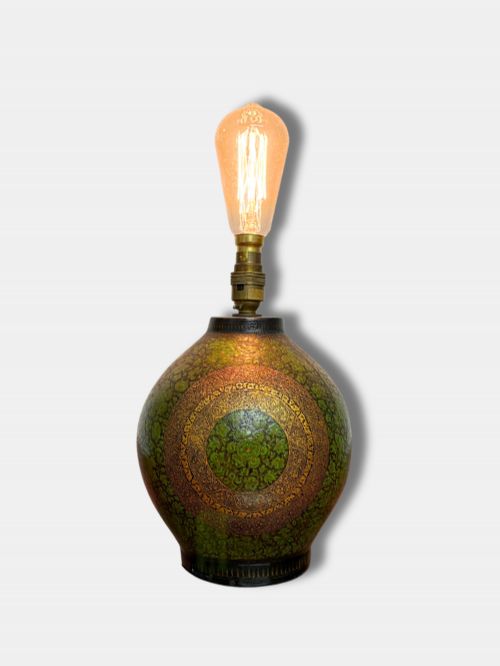
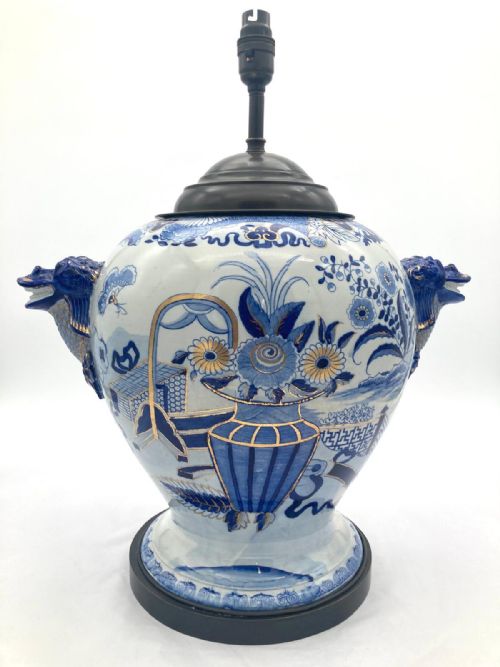


Oriental Urn Desk Lamp
These oriental urn desk lamps bring striking forms and rich cultural history into a room, offering warm illumination through converted antique vessels.
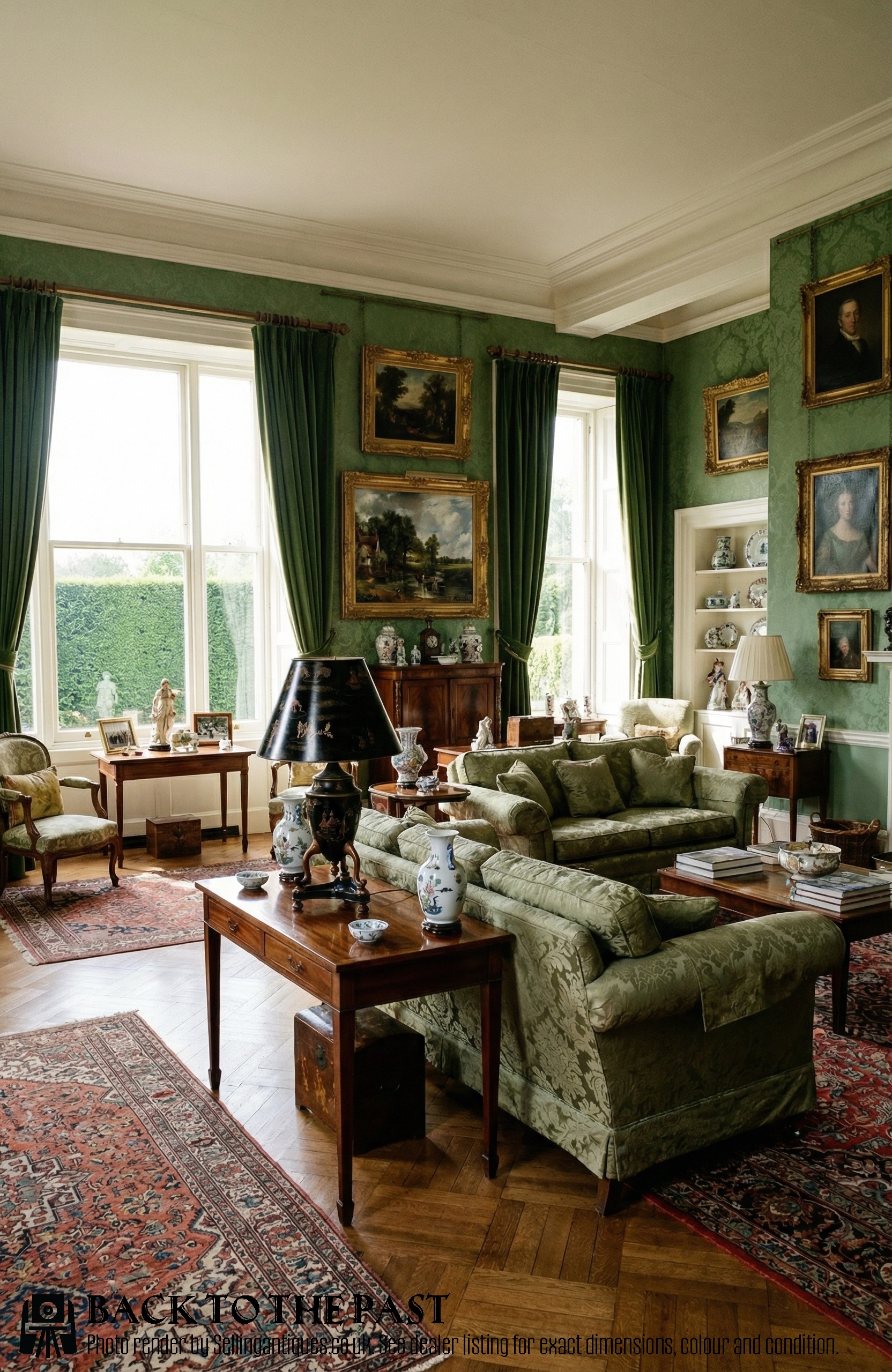
Oriental Urn Desk Lamp
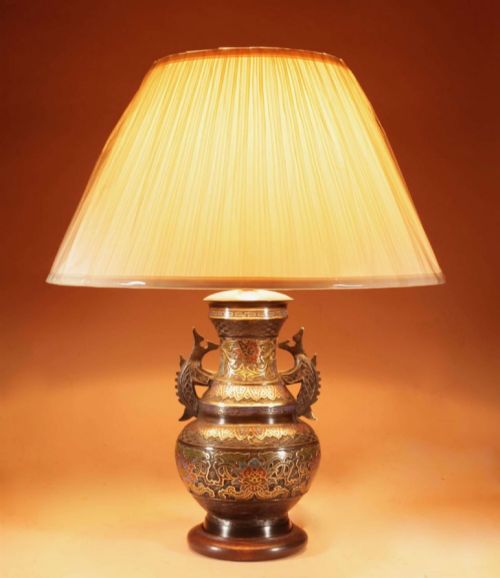
When searching for an oriental urn desk lamp, collectors encounter a diverse array of converted vessels originating from various Asian traditions and European interpretations. These pieces function primarily as table lamps, utilising ancient or antique containers as their main bodies.
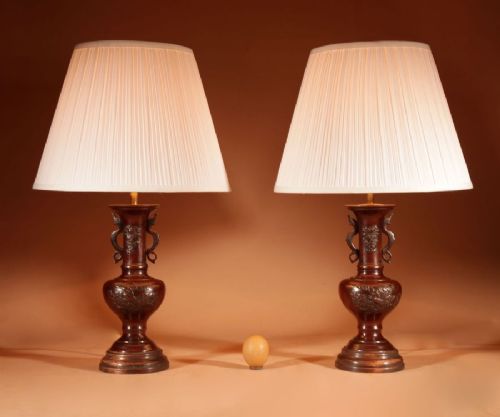
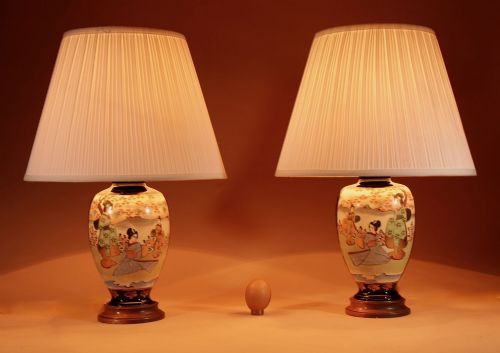
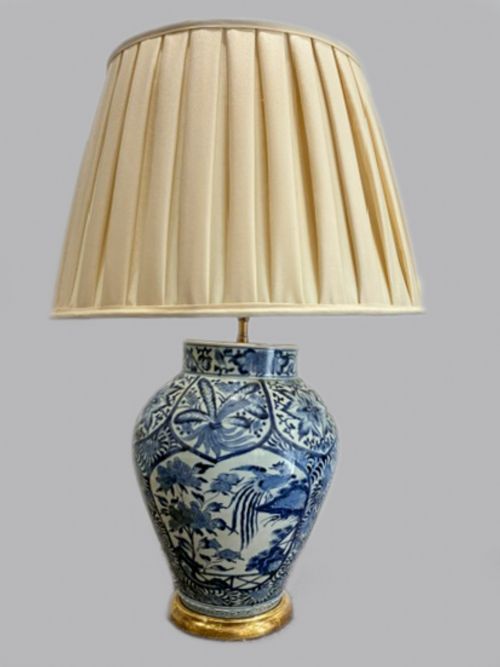
The selection on this page relies heavily on Japanese bronze and Satsuma wares, alongside Chinese porcelain vases and ginger jars. Pieces span from the late seventeenth century through the Victorian era into the nineteen-thirties, showing deep historical range.
Buyers frequently find pairs of lamps, particularly in bronze or porcelain formats, alongside single striking examples of Chinoiserie and Japonisme styles. The conversion process transforms traditional urns and vases into functional desk and table lighting.
Standards of craftsmanship
Quality rests primarily on the integrity of the original vessel and the sophistication of its surface decoration, whether hand-painted porcelain or detailed bronze casting. Fine examples exhibit crisp enamel work, well-preserved gilding, and balanced proportions.
The conversion technique also dictates value, with professional adaptations maintaining the structural health of the antique body while integrating secure electrical fittings. Matching pairs command higher regard due to the difficulty of sourcing identical antique vessels for conversion.
Several clever Victorian makers turned centuries-old ginger jars into reading lights without losing a single drop of their original blue and white charm.
The Oriental Urn Desk Lamp Glossary
- Chinoiserie
- European artistic style reflecting Chinese motifs and decorative techniques. It heavily influences the ornamentation found on many eighteenth and nineteenth-century lamp bases.
- Cloisonné
- Enamelling method where metal wire creates compartments on a bronze or copper base before filling with coloured paste. This technique appears frequently on nineteenth-century Japanese lamp bodies.
- Satsuma
- Japanese pottery style featuring a crackled cream glaze decorated with enamels and gilt. These earthenwares provide highly colourful and detailed lamp bodies.
- Celadon
- Pale green ceramic glaze originating in China, prized for its resemblance to jade. Vases with this finish form serene and subtle lamp bases.
- Japonisme
- Western fascination with Japanese art and aesthetics that surged during the late nineteenth century. It inspires many decorative elements on these lamp bases.
Oriental Urn Desk Lamp: Frequently Asked Questions
How are antique vases converted into lamps?
Craftspeople carefully drill a discreet hole through the base or lower body of the antique vessel to pass electrical wiring securely through the centre.
Fittings and lamp holders are then mounted safely to the top, ensuring the historical body remains stable and functional as a desk light.
Are these lamps usually sold as pairs?
Many listings feature balanced pairs of lamps, particularly when dealing with bronze urns or Chinese porcelain ginger jars.
Single lamp options also appear regularly for buyers seeking an accent piece for smaller desks or side tables.
What periods do these lamp bases come from?
The inventory spans several centuries, including late seventeenth-century Japanese vessels, Regency ironstone, and numerous Victorian and early twentieth-century examples.
Earlier dates refer to the age of the original vessel rather than the date of electrical conversion.
How do I care for a bronze or porcelain lamp?
Dust bronze and ceramic surfaces gently with a soft, dry cloth to protect delicate gilt details and hand-painted enamel finishes.
Avoid chemical cleaners that might strip the antique patina or damage the protective glazes on porcelain and lacquer.