


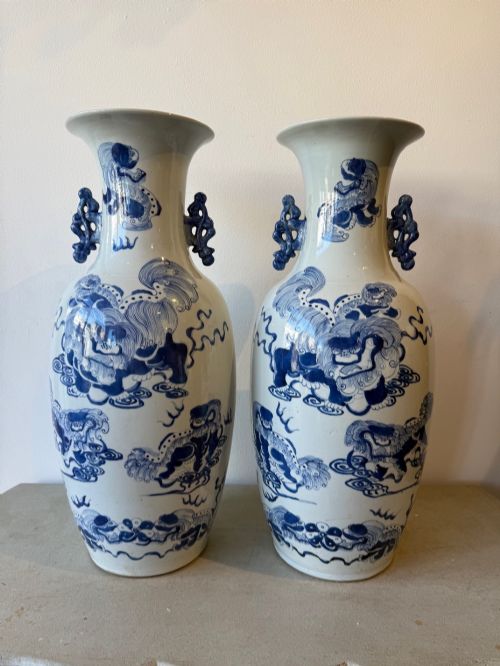


Oriental Underglaze Blue Vase
An oriental underglaze blue vase brings cobalt pigment beneath a clear glaze, offering centuries of ceramic mastery from Chinese and Japanese kilns.
Oriental Underglaze Blue Vase
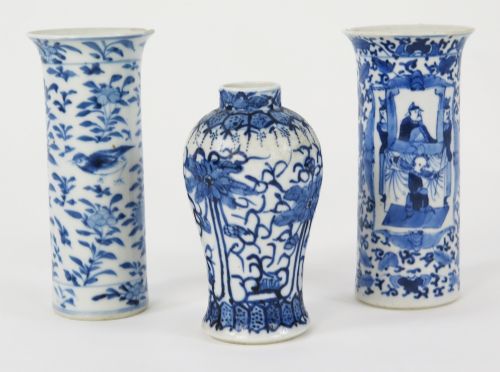
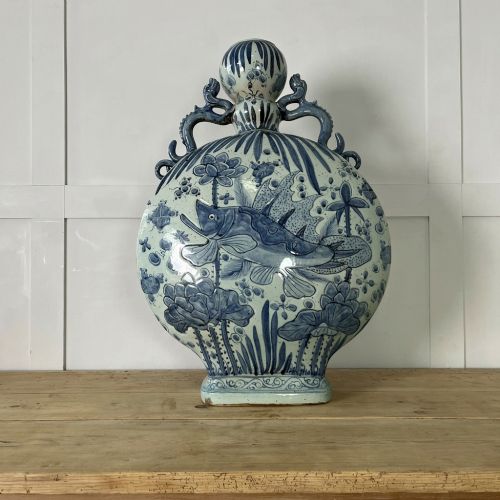
When you search for an oriental underglaze blue vase, you encounter decorative vessels, ginger jars, bottle vases, and palace vases spanning multiple centuries. These pieces originate primarily from Chinese and Japanese traditions, showcasing forms such as baluster, double gourd, moon flask, and trumpet-shaped beaker vessels.
The selections available range from 17th-century Edo period pieces to 19th-century Qing Dynasty works and later Meiji period items. Buyers frequently meet porcelain and ceramic bodies painted with cobalt glaze, sometimes accented with enamel or gold leaf.
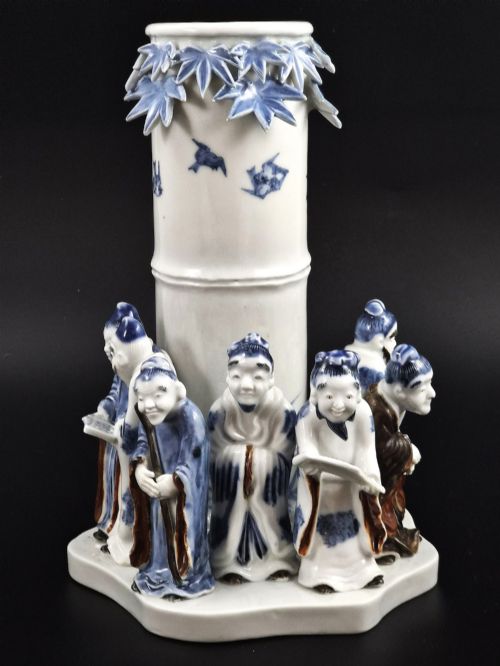
Forms extend beyond standard vases to include brush pots, wine bottles, and lidded jars. Each piece reflects the specific kiln practices and stylistic periods of its maker, from Arita and Seto wares to transitional wucai designs.
Materials and Technique
Potters shaped fine porcelain and ceramic bodies before applying cobalt pigment directly to the raw clay. This cobalt oxide painting requires immense precision, as the porous body absorbs the pigment instantly without room for correction.
A clear glaze is applied over the cobalt design before the vessel enters the kiln for high-temperature firing. Certain examples incorporate supplementary enamels or gold leaf applied over the glaze in subsequent low-temperature firings.
Oriental Underglaze Blue Vase Retail Price Guide 2026
Typical asking prices for oriental underglaze blue vase among the pieces listed under this phrase on Sellingantiques today, from the lower quarter to the upper quarter. They describe what is for sale here now, not the wider market.
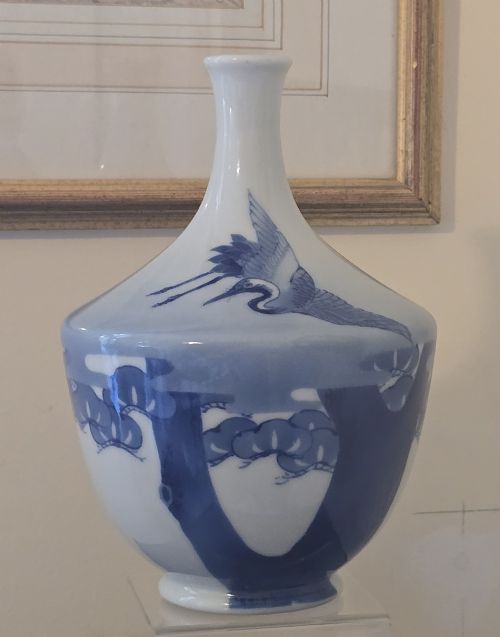
Several vases depict long-necked cranes that seem ready to step right off the porcelain and wander across your mantelpiece.
Assessing Quality and Execution
The finesse of the cobalt painting determines the visual depth of the design, separating standard commercial production from masterwork execution. Crisp lines, controlled bleeding of the cobalt pigment under the glaze, and balanced composition mark superior examples.
The purity of the porcelain body and the smoothness of the glaze finish indicate the kiln master's skill. Exceptional pieces display harmonious proportions and precise throwing, whether in a massive palace vase or a delicate bottle vase.
Katō Keiichi·Seishōen Kiln·Makuzu Kozan·Fukagawa
The Oriental Underglaze Blue Vase Glossary
- Underglaze blue
- A decoration technique where cobalt pigment is applied to the unglazed ceramic body before coating with a transparent glaze and firing at high temperatures. This method protects the blue pigment beneath a glassy surface for lasting durability.
- Cobalt glaze
- A metallic oxide colourant used beneath the glaze to produce deep blue tones on porcelain and ceramic vessels. It reacts to high kiln temperatures by settling into rich shades.
- Imari
- A style of Japanese export porcelain featuring underglaze blue combined with iron red, gold, and other enamel colours. Originating in Arita, these wares gained immense popularity across Europe.
- Double gourd
- A traditional vase shape formed by two stacked bulbous sections resembling a segmented fruit. This auspicious form holds significant cultural weight in East Asian ceramics.
- Brush pot
- A cylindrical vessel traditionally used by scholars in East Asia to hold writing brushes. They frequently feature detailed pictorial scenes executed in underglaze blue.
- Wucai
- A ceramic decorating technique meaning five colours, combining underglaze blue with overglaze contrasting enamels such as iron red, green, and yellow. This colourful method creates vibrant pictorial surfaces.
Oriental Underglaze Blue Vase: Frequently Asked Questions
How do I date an oriental underglaze blue vase?
Dating relies on examining the potting style, the tone of the cobalt pigment, and any reign marks or seals present on the base. Stylistic markers such as Edo or Qing period forms provide further chronological context.
Kiln techniques and glaze characteristics also shift between centuries, helping differentiate early Ming or Qing examples from later 19th-century production.
What is the difference between Chinese and Japanese blue and white?
Chinese pieces often focus on narrative scenes, symbolic flora, and imperial reign marks reflecting dynastic traditions. Japanese counterparts, such as Arita or Seto wares, frequently incorporate distinct regional aesthetic interpretations and specific local clay bodies.
Appreciating these regional distinctions involves studying the brushwork style and the composition of the blue pigment used beneath the glaze.
How were these vases used originally?
Many served as decorative focal points in scholars' studios, reception rooms, or imperial courts, while others functioned as storage jars for tea or spices. Larger palace vases were manufactured specifically to dominate grand interior spaces.
Export pieces were also shipped globally to furnish European drawing rooms and state apartments.
Can I use these vases for fresh flowers?
While historic ceramic vessels can hold water, collectors generally avoid using antique porcelain for daily floral arrangements to prevent accidental staining or thermal shock. Displaying them dry preserves the integrity of the glaze and any delicate interior surfaces.
Using them purely as decorative art ensures the longevity of both the ceramic body and the historical glaze.