


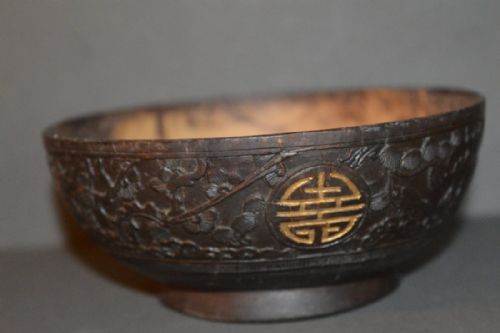
Oriental Tea Vessel
An oriental tea vessel brings centuries of East Asian and Georgian craftsmanship into the home, offering functional elegance for collectors of fine ceramics and metalwork.
Oriental Tea Vessel
An oriental tea vessel encompasses diverse forms such as teapots, tea caddies, kettles, and censers spanning multiple centuries from the Georgian era through the late Qing Dynasty and Meiji period. Buyers exploring this category encounter both refined ceramic tea wares and heavy metal heating vessels designed for traditional service.
The material evidence on this page ranges from cobalt underglaze porcelain and earthenware to cast iron, bronze, brass, and enamel. These pieces originate from distinct cultural traditions including Chinese Qing Dynasty productions and Japanese traditional metalwork.
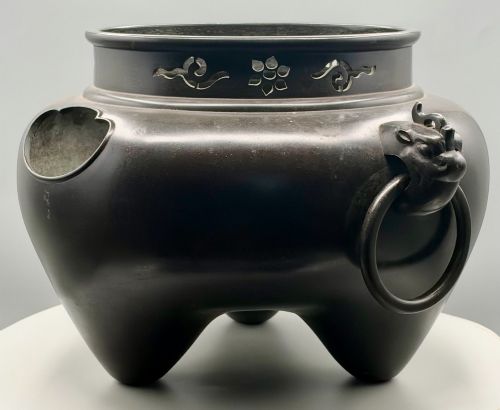
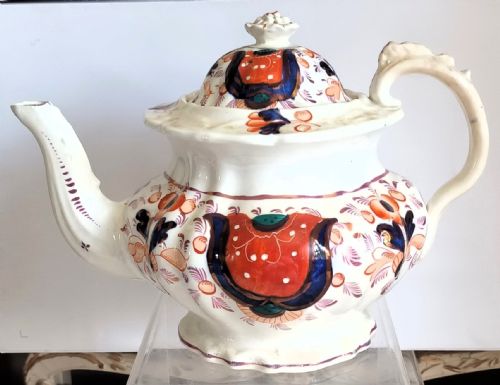
Forms vary from globular blue and white teapots and hexagonal Gaudy Welsh patterns to heavy bronze tripods and cloisonne-lidded sake kettles. Each oriental tea vessel reflects the aesthetic preferences and utility of its specific period of origin.
Materials and technique
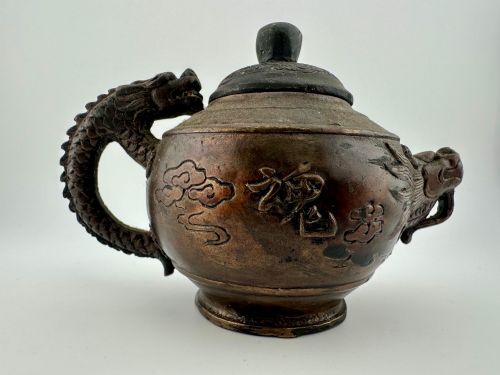
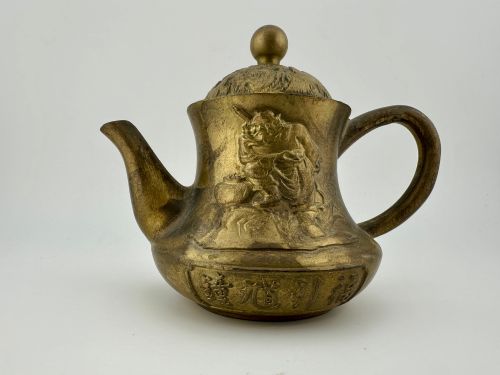
Makers shaped metal pieces like bronze and brass through casting, often integrating dragon, phoenix, or immortal motifs in relief alongside seal marks. Iron kettles utilise traditional casting methods, while enamel works incorporate meticulous cloisonne wirework.
Ceramic vessels rely on high-temperature firing of porcelain and earthenware, decorated with cobalt underglaze, enamel colours, and gold leaf. Carved organic materials like coconut feature incised symbols highlighted with gilding.
Surface decoration unites these objects through detailed handpainting, glazing, and metal inlay. Artisans balanced structural utility with elaborate ornamentation across both ceramic bodies and metal alloys.
The listings span multiple centuries, uniting 18th-century Qianlong porcelain with 19th-century Japanese Meiji metalwork and Edwardian enamel.
What separates the best examples
Quality rests upon the crispness of the casting in metal pieces and the precision of the brushwork in ceramics. Superior vessels demonstrate deliberate control over glazes, whether cobalt blue or tea dust, without crowding the form.
The integration of decorative elements such as gold leaf, cloisonne enamel, and carved symbols dictates the distinction between standard utility items and masterwork exhibition pieces. Well-preserved maker marks and seals further anchor the provenance and standing of a piece.
Kibundo·Tokyo Taizan·Herend
The Oriental Tea Vessel Glossary
- Cloisonné enamel
- A metalwork technique where fine wires create partitions to hold coloured enamel paste before firing. This method produces intricate geometric or pictorial patterns across lids and vessels.
- Cobalt underglaze
- A blue pigment applied directly to a ceramic body prior to glazing and high-temperature firing. It provides the deep, enduring cobalt tones seen on classical porcelain.
- Censer
- A vessel designed for burning incense during ritual or domestic service. These metal tripod forms often share decorative dragon motifs with contemporary teapots.
- Tetsubin
- A traditional Japanese cast iron kettle used for boiling water. These heavy heating vessels frequently feature textured surfaces and specialised spouts.
Oriental Tea Vessel: Frequently Asked Questions
How do I date an antique oriental tea vessel?
Dating relies on examining stylistic markers, reign or studio marks, and manufacturing techniques characteristic of periods like the Qing Dynasty or Meiji period. Material analysis of bronzes and porcelain glazes also aids in establishing the era of creation.
Comparing structural forms against known historical examples helps narrow the decade of production. Documentation and maker seals provide the most reliable chronological anchors.
Were these vessels used for daily tea service?
Many ceramic teapots and caddies were manufactured for active daily brewing or tea storage within domestic settings. Metal kettles and braziers served practical functions for heating water in traditional tea preparations.
Some decorative vessels and censers held ritual or display purposes rather than everyday culinary use. Their physical wear patterns often indicate whether a piece saw active service or served primarily decorative functions.
How do I care for bronze and enamel vessels?
Bronze and brass pieces require gentle dusting with a soft cloth to preserve patination without abrasive cleaning agents. Enamel surfaces should be kept away from excessive moisture and direct sunlight to protect the coloured pastes and metal wires.
Stable indoor humidity prevents stress on both metal alloys and delicate cloisonne work. Handling pieces with clean hands avoids transferring oils that can tarnish sensitive metal finishes.