








Oriental Table Top Cabinet
An oriental table top cabinet brings compact decorative storage and historic craftsmanship to any surface, offering intricate details from diverse 19th-century traditions.
Oriental Table Top Cabinet
An oriental table top cabinet is a compact storage piece designed for placement on desks, side tables, or larger chests, offering intimate compartments for precious items. When you search for an oriental table top cabinet, you encounter a variety of forms ranging from miniature cupboards to small chests and occasional stands.
The pieces listed on this page originate predominantly from the 19th century, spanning the Victorian era, the Meiji period, and the Qing Dynasty. Makers utilised diverse stylistic influences, including Chinese export traditions, Aesthetic Movement sensibilities, and Japonisme designs.
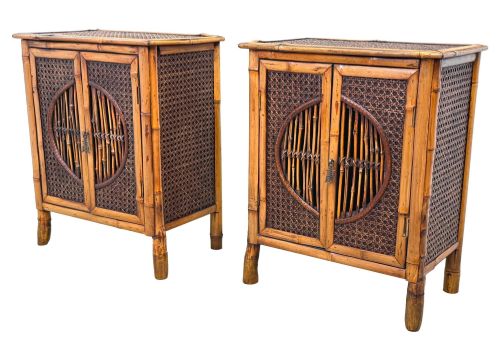
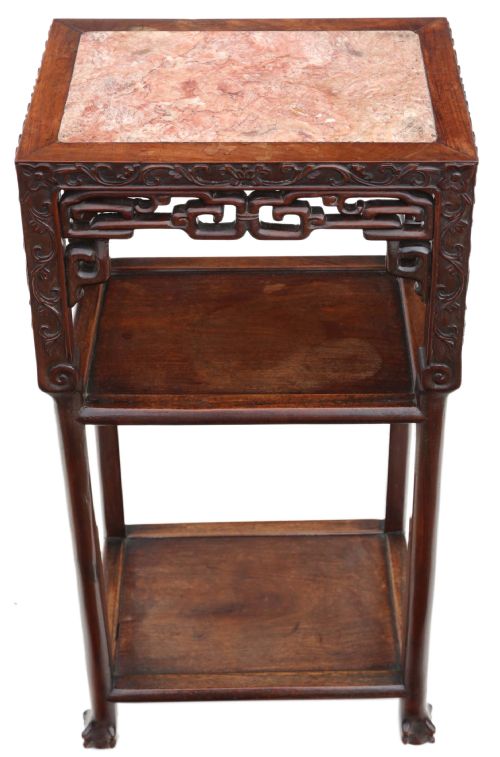
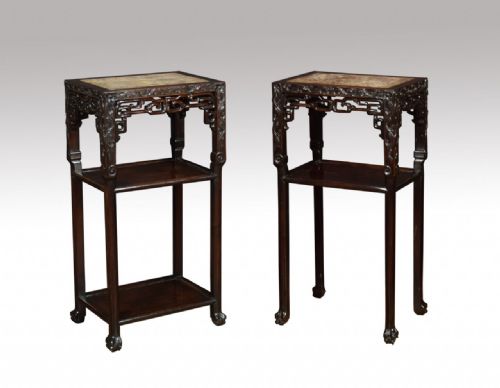
Buyers frequently find constructions featuring dense hardwoods, bamboo, or lacquered surfaces, sometimes paired with marble inserts or bronze animal decoration. These smaller cabinets and chests provide a tangible connection to nineteenth-century global design exchanges and decorative arts.
Materials and Construction
Articles in this category rely heavily on dense natural materials, notably hardwoods such as rosewood and elm, alongside bamboo, cane, and rattan. Craftsmen shaped these sturdy timbers into miniature cupboards, chests, and stands designed to sit atop other furniture.
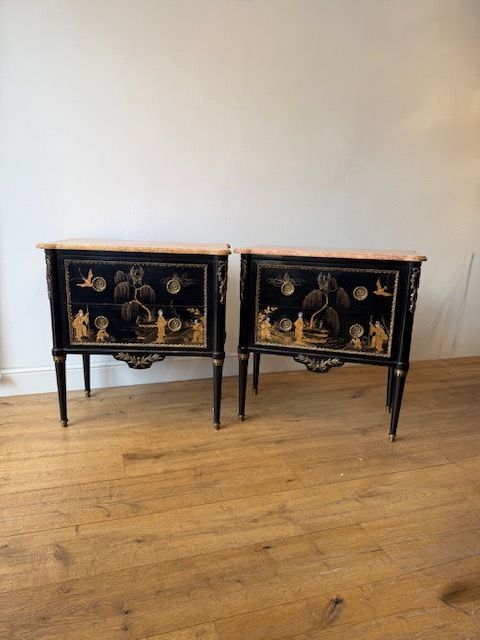
Decoration is integral to the construction process, incorporating bronze and brass elements, mother of pearl inlay, and carved ebonised surfaces. Some examples integrate marble tops or feature detailed lacquer work aligned with Chinese Qing style and Japanese Meiji aesthetics.
Oriental Table Top Cabinet Retail Price Guide 2026
Typical asking prices for oriental table top cabinet among the pieces listed under this phrase on Sellingantiques today, from the lower quarter to the upper quarter. They describe what is for sale here now, not the wider market.
Some miniature cupboards hide tiny drawers behind their carved doors, perfectly sized for storing Victorian secrets.
Assessing Quality and Execution
Quality in these portable cabinets depends on the selection of materials and the precision of decorative techniques. Dense hardwoods and substantial rosewood or elm frames demonstrate greater structural integrity than lighter bamboo or cane structures.
The refinement of surface embellishment distinguishes finer examples, such as meticulously fitted mother of pearl inlay, cast bronze animal decorations, and cleanly carved ebonised hardwood. The integration of inset marble tops and sophisticated lacquering indicates a higher level of workshop execution.
Gabriel Viardot
The Oriental Table Top Cabinet Glossary
- Japonisme
- A nineteenth-century Western fascination with Japanese art and aesthetics that influenced European furniture design and decorative objects. This style appears in works associated with makers like Gabriel Viardot.
- Aesthetic Movement
- A late nineteenth-century design philosophy prioritising visual and sensory beauty over narrative or moral function in art and furnishings. Pieces in this style often incorporate bamboo or eclectic ornamentation.
- Qing Dynasty
- The last imperial dynasty of China, lasting from 1644 to 1912, known for sophisticated hardwood carving and export wares. Cabinets and tables from this era frequently utilise dense native timbers.
- Meiji Period
- The era in Japanese history spanning from 1868 to 1912, marked by modernisation and a flourishing export market for fine metalwork and woodwork. Works from this period often showcase detailed bronze animal decoration.
- Chinoiserie
- European interpretations of Chinese and East Asian artistic traditions, expressed through lacquered surfaces and decorative motifs. This style blended Asian forms with Western furniture types.
Oriental Table Top Cabinet: Frequently Asked Questions
What is an oriental table top cabinet used for?
These compact pieces were traditionally utilised for storing small valuables, documents, or curiosities within a study, parlour, or bedroom. Their portable nature allowed them to sit conveniently on desks, larger chests, or side tables.
Today, they function as decorative accent pieces that provide surface storage while displaying intricate 19th-century craftsmanship in domestic interiors.
How do I identify a 19th-century piece?
Nineteenth-century items typically display specific material characteristics such as heavy hardwoods, hand-carved ebonised surfaces, and traditional joinery methods. Markers like Qing Dynasty influences, Meiji period motifs, or Aesthetic Movement designs point directly to this era.
Additionally, the use of genuine marble inserts, hand-cast bronze decorations, and natural mother of pearl inlay helps confirm the period production techniques.
Where were these cabinets made?
These cabinets and chests originate from diverse cultural contexts, including China and Japan, as well as European workshops influenced by Eastern aesthetics. Chinese export pieces and Japanese Meiji works were frequently created specifically for international markets.
European makers also produced Japonisme and Chinoiserie interpretations, combining local craftsmanship with imported stylistic elements from the nineteenth century.
How do I care for hardwood and bamboo surfaces?
Hardwood surfaces require regular dusting with a soft, dry cloth and occasional treatment with appropriate furniture wax to preserve the grain and finish. Avoid placing them in direct sunlight or near heat sources to prevent the timber from warping.
Bamboo, cane, and rattan elements should be kept in stable humidity conditions and cleaned gently with a soft brush attachment to remove dust from crevices.