




Chinese Carved Brass Chest
These pieces of chinese carved brass chest work combine heavy wooden storage trunks with metal mounts, offering both utility and distinct decorative presence for the home.
Chinese Carved Brass Chest
When you search for a chinese carved brass chest, you encounter storage trunks, blanket boxes, and cabinets that frequently combine camphor wood with brass bindings. These pieces span the nineteenth century through the early decades of the twentieth century, including periods such as the Victorian era and the Qing dynasty.
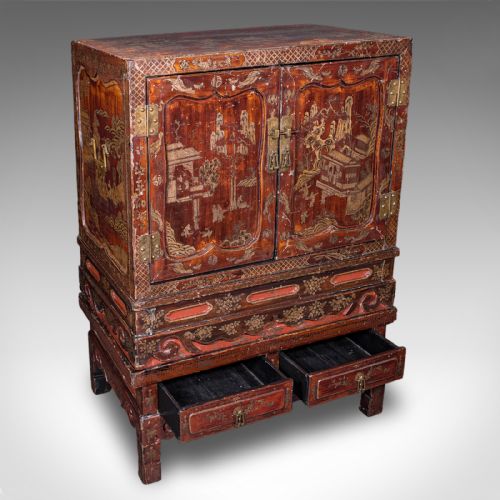
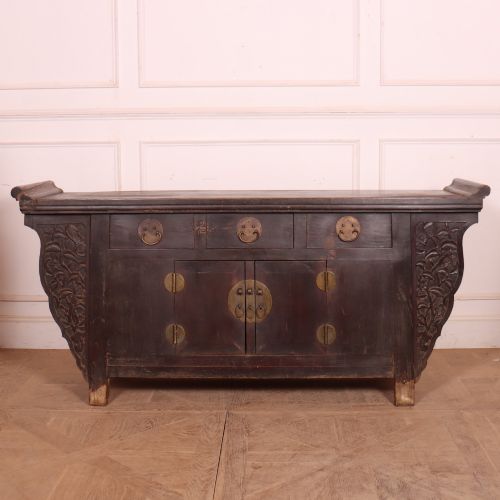
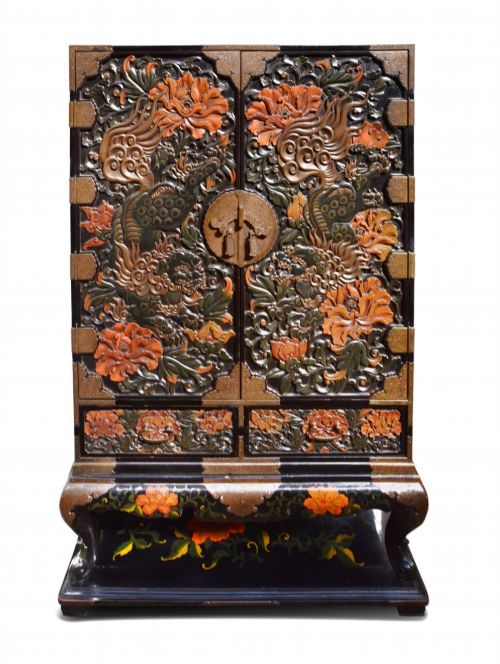
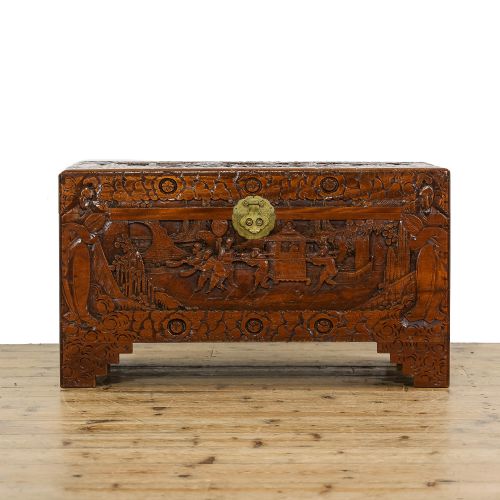
The version most commonly met on this page is the large camphor wood chest featuring detailed hand-carved decoration across the exterior. Alongside these trunks, related storage forms appear, including campaign chests, sideboards, and cabinets on stands with lacquer or Chinoiserie finishes.
Originating largely from export workshops, these items served travellers and merchants before finding their way into domestic interiors. The forms range from simple blanket boxes to secretaire campaign chests and brass-bound trunks designed for utility and transport.
Materials and construction
Makers utilised fragrant camphor wood, elm, and oak as the primary timber foundations for these trunks and cabinets. Camphor wood was selected for its natural insect-repellent properties, making it practical for storing textiles.
Metalwork plays a structural role through brass bindings, corners, and straps that reinforce the wooden joints for travel. Surfaces are often finished with carved relief work depicting traditional motifs, or coated in black lacquer and Chinoiserie decoration.
Camphor wood naturally smells like a medicine cabinet, which was wonderful for keeping moths away from your best woollens.
Judging the quality
Quality rests in the depth and sharpness of the hand-carved details across the wood surface, distinguishing crisp artistic execution from softer, hurried work. The integration of the brass fittings with the timber body also indicates the standard of the piece.
The choice of primary wood, whether solid camphor wood or secondary timbers, affects the substance and longevity of the trunk. Furthermore, the preservation of original lacquer and the stability of the internal construction define the better examples in this range.
The Chinese Carved Brass Chest Glossary
- Camphor wood
- A durable, aromatic timber native to Asia that resists insects and was widely utilised for export storage chests.
- Campaign chest
- A portable piece of furniture made in sections with recessed brass handles, designed for military officers or travellers.
- Chinoiserie
- European artistic imitation of Chinese decorative styles, often applied to lacquer cabinets and sideboards.
- Qing Dynasty
- The final imperial dynasty of China, spanning from the seventeenth to the early twentieth century, noted in several period pieces.
- Lacquer
- A durable resin finish applied in layers to wood surfaces, frequently seen in black on cabinets and stands.
Chinese Carved Brass Chest: Frequently Asked Questions
What were these chests used for?
These chests primarily served as secure storage trunks for clothing, blankets, and valuable personal possessions during travel or at home. Their dense wooden construction and aromatic interiors protected textiles from dampness and insects.
Over time, many of these trunks transitioned into static domestic furniture, acting as coffee tables, blanket boxes, or decorative focal points in living spaces.
How do I care for camphor wood?
Camphor wood requires minimal maintenance, though it benefits from being kept away from direct heat sources and strong sunlight to prevent the timber from drying out. Dusting regularly with a dry or slightly damp cloth preserves the carved surface.
Applying occasional furniture wax helps maintain the lustre of the wood without interfering with the natural aroma of the camphor.
How do I date a piece?
Dating relies on observing construction methods, hardware styles, and the specific decorative motifs applied to the wood or lacquer. Nineteenth-century examples often display hand-forged or heavy brass bindings alongside deep relief carving.
Pieces from the early twentieth century, including the nineteen-twenties and thirties, may incorporate different finish combinations such as limed oak or distinct art deco influences.
Are these pieces portable?
Many of these chests and trunk forms were originally constructed for travel, featuring integrated side carrying handles and reinforced brass corners. While built to be moved, their heavy timber construction makes them substantial furniture items today.
Campaign-style pieces offer modular designs that separate into sections, reflecting their origins as transportable officer's furniture.