



Oriental Style Wall Cabinet
An oriental style wall cabinet brings rich painted surfaces and compact corner storage into a room, offering the decorative depth that collectors seek.
Oriental Style Wall Cabinet
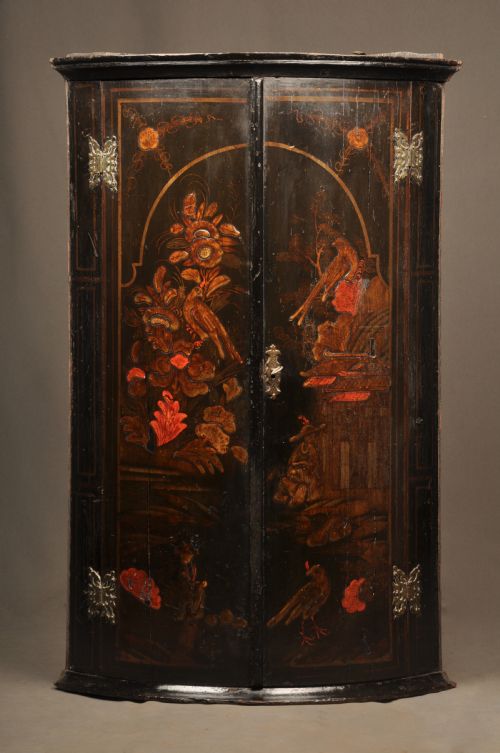
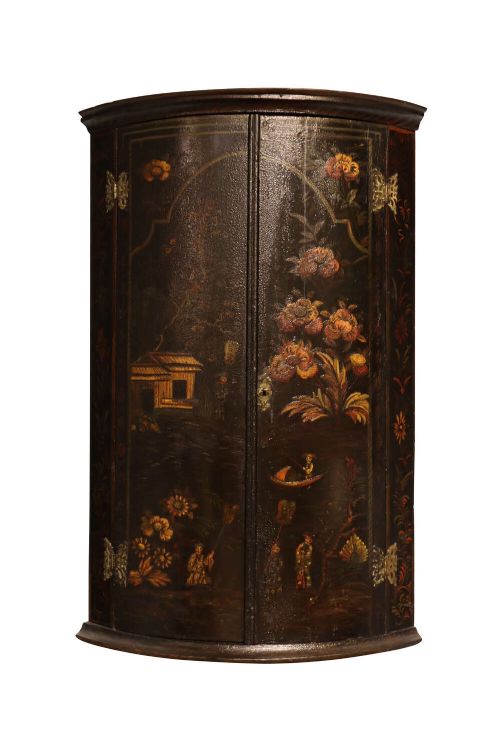
When you search for an oriental style wall cabinet, you are looking at corner cupboards and hanging cabinets shaped by Chinoiserie and Japanese aesthetic traditions. These pieces include Georgian Chinoiserie examples alongside 18th century black lacquer and japanned versions designed to utilise corner space.
You are most likely to meet wall cabinets and corner cupboards dating from the 18th century, 19th century, and Georgian period, often finished with painted or lacquered surfaces. The selection also encompasses related decorative porcelain such as Japanese Imari plates and chargers.
The form is predominantly practical, taking the shape of corner cupboards with single or double doors that mount directly to the wall. Makers historically utilised these compact proportions to display ornamentation while keeping floor space clear.
Materials and construction methods
Cabinet makers utilised softwood and timber foundations, finishing the exterior with layers of lacquer, black paint, or japanning to create smooth, dark grounds. Artisans then applied gilt detailing and hand-painted motifs depicting birds and oriental scenes directly onto the surface.
Mounting hardware typically involved brass hinges and key escutchein plates secured to the doors of the cupboard. Porcelain elements like Imari plates and chargers display glazed enamel colours fired onto Asian porcelain bases.
Oriental Style Wall Cabinet Retail Price Guide 2026
Typical asking prices for oriental style wall cabinet among the pieces listed under this phrase on Sellingantiques today, from the lower quarter to the upper quarter. They describe what is for sale here now, not the wider market.
A painted bird peers out from the door of a japanned cabinet, watching quietly over the room.
Factors that define quality
Quality rests upon the execution of the hand-painted decoration and the depth of the lacquer finish. Finer pieces display crisp, detailed brushwork on subjects like birds and figures, whereas lesser examples show flat or simplified ornamentation.
The integrity of the timber construction and the retention of original brass hardware elevate a cabinet. Pieces that preserve their early painted surfaces without extensive modern repainting hold greater merit for a collection.
The Oriental Style Wall Cabinet Glossary
- Chinoiserie
- European decorative style reflecting Chinese artistic influences, popular in furniture and porcelain design during the 18th century.
- Japanning
- European imitation of Japanese lacquerwork, created by applying layers of varnish and resin heated to a hard finish.
- Imari
- Japanese porcelain style featuring rich underglaze blue and iron-red enamel highlights, often enriched with gilt.
- Charger
- A large decorative plate utilised historically for ceremonial display rather than dining.
- Escutcheon
- A protective brass plate surrounding a keyhole on a cabinet door.
Oriental Style Wall Cabinet: Frequently Asked Questions
Where do you hang these cabinets?
These wall cabinets are designed specifically to fit neatly into room corners, making them ideal for utilising awkward wall spaces.
Ensure the wall structure can support the weight of the timber and lacquer before mounting them securely at eye level.
How do I clean the lacquer?
Dust the surface gently with a soft, dry cloth to prevent any scratching of the delicate painted and gilt finishes.
Avoid using liquid cleaners or chemical polishes, which can soften or damage old lacquer and japanned surfaces.
What period are these from?
The selections span several centuries, including Georgian and 18th century examples alongside 19th century and 1920 pieces.
Earlier items frequently feature heavy japanning, while later 19th century and 1920 pieces reflect continued revivals of oriental taste.