



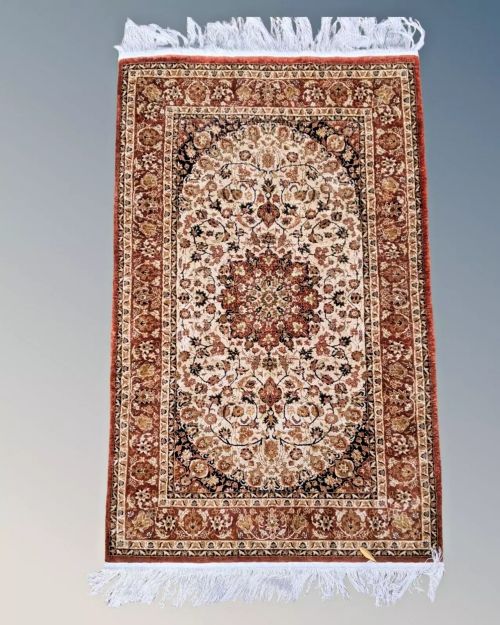
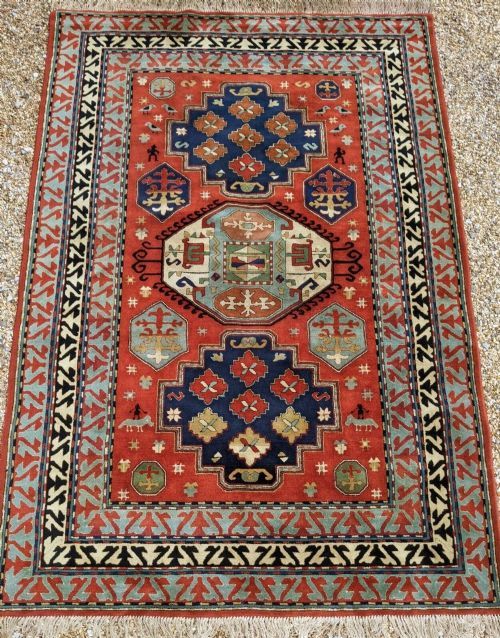
Oriental Style Rug
An oriental style rug brings pattern, texture and history into a room through traditional regional weaving.
Oriental Style Rug
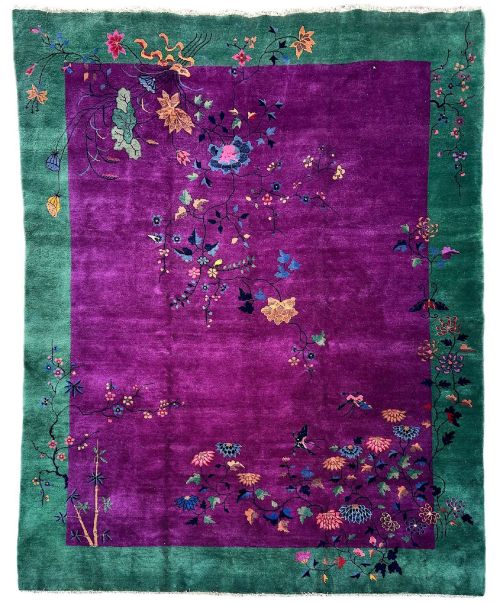
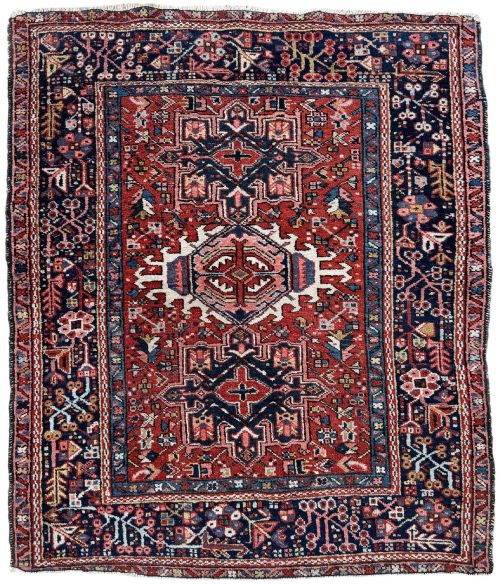
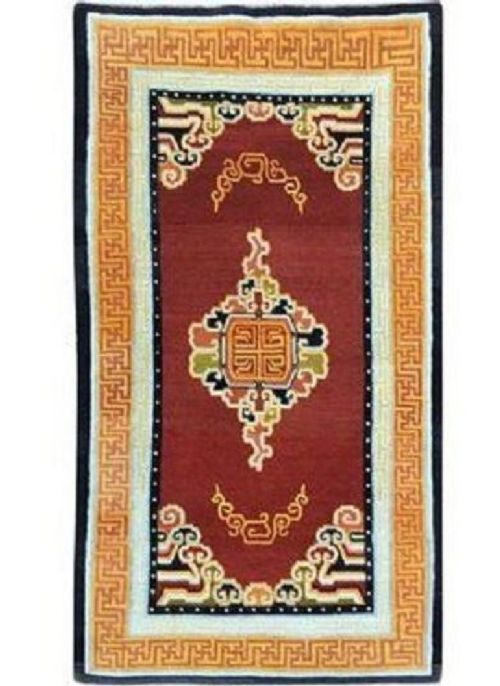
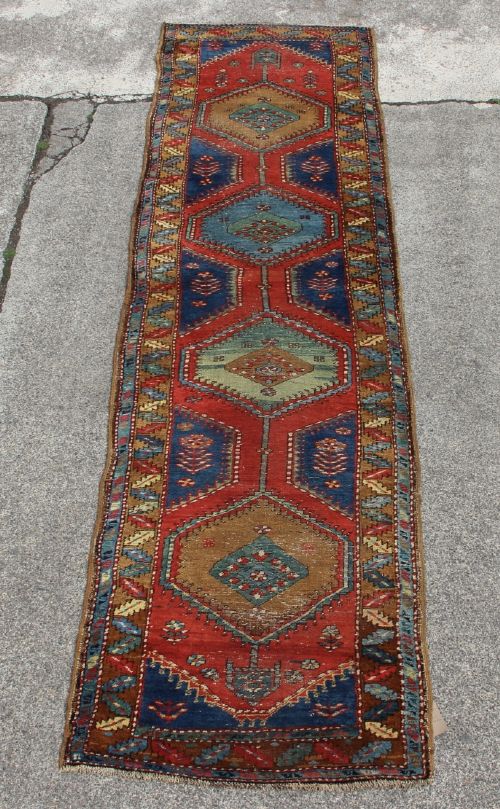
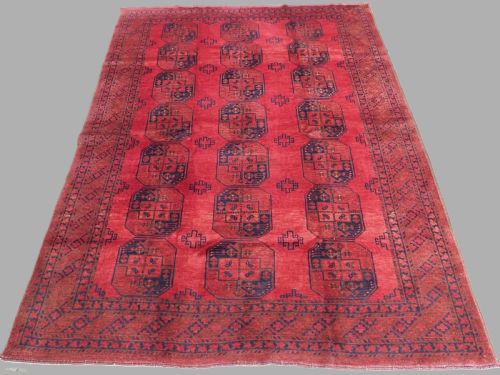
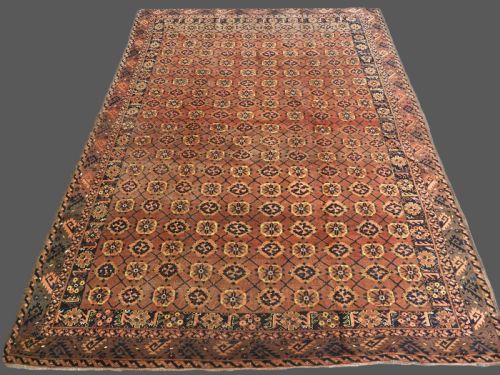
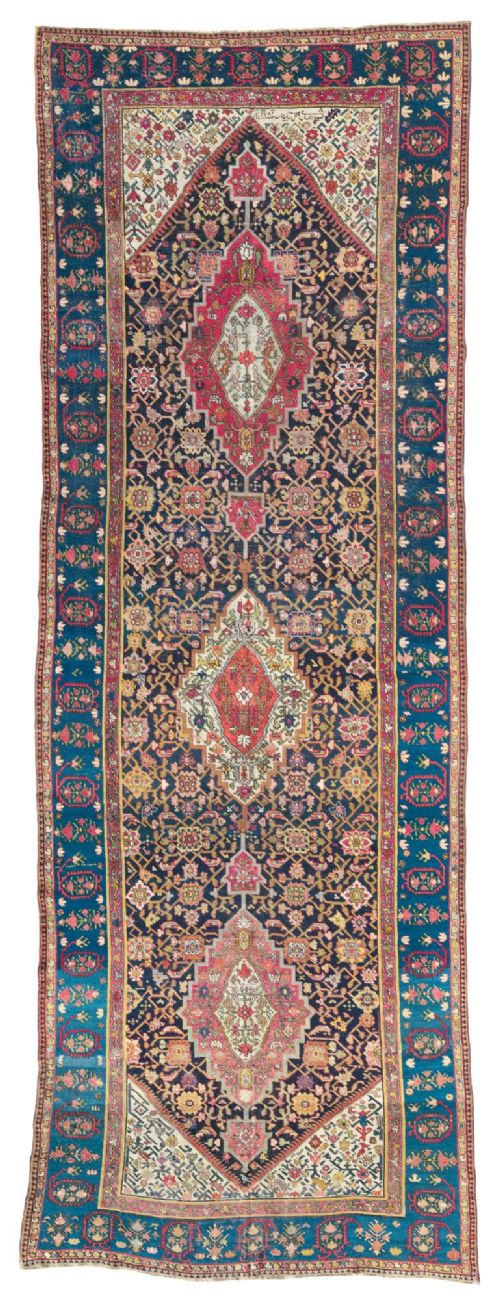
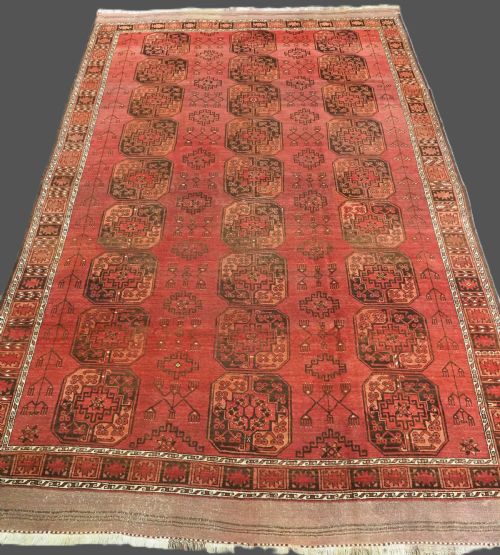
When searching for an oriental style rug, buyers encounter floor coverings originating from Persia, the Caucasus, Anatolia, Central Asia, India and Tibet. These pieces span production periods from the nineteenth century into the twentieth century, taking the form of area rugs, large carpets, runners and prayer rugs.
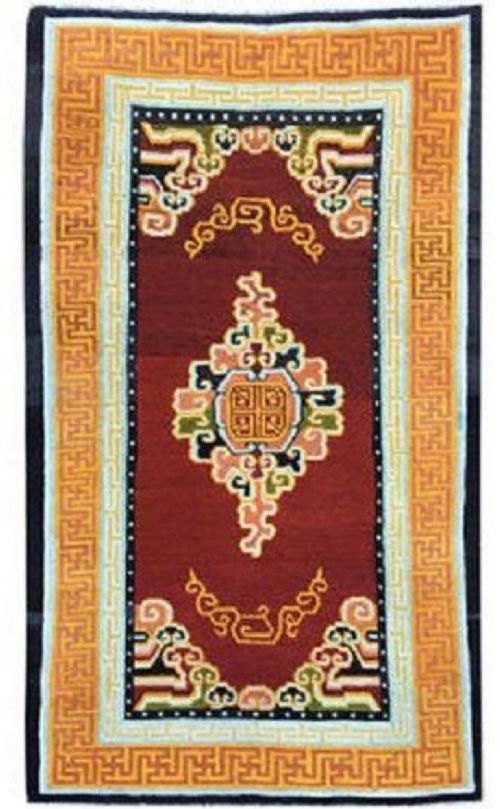
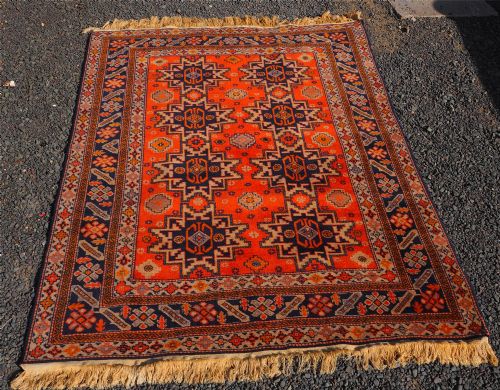
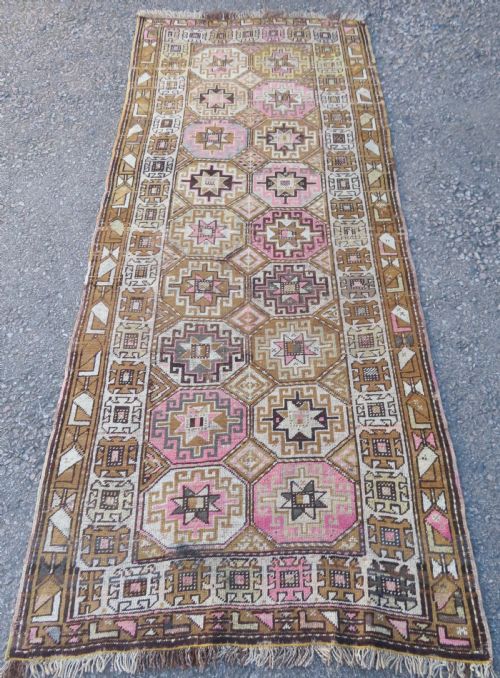
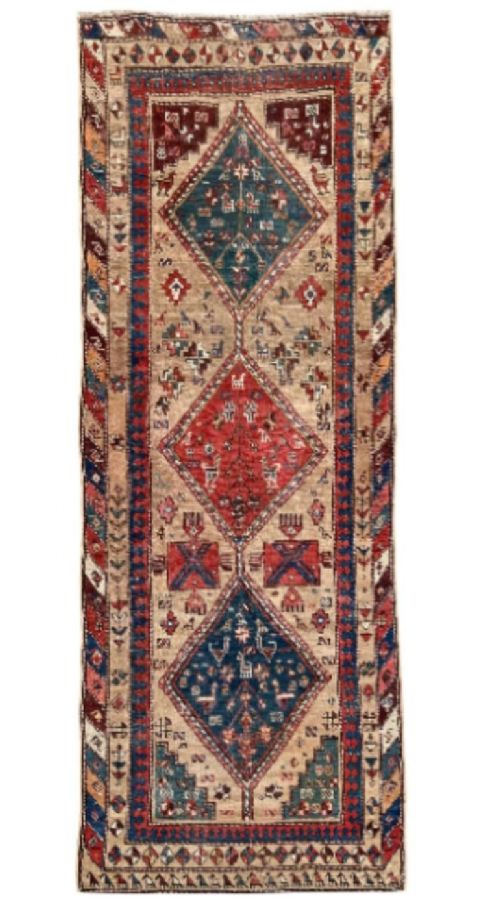
The selection includes specific regional types such as Heriz, Karaja, Kurdish, Kazak, Shirvan, Oushak, Amritsar and Tibetan pieces. These rugs display distinct tribal or traditional village designs created by weavers across diverse communities.
How they were made
These textiles utilise natural materials including wool, hand-spun wool, cotton and silk. Wool provides durability for heavy footfall areas, whilst cotton often forms the stable foundation warp and weft threads.
Weavers employ traditional hand-knotting techniques to construct the pile. The density of these knots and the preparation of the fibres dictate the physical weight and drape of each carpet.
Oriental Style Rug Retail Price Guide 2026
Typical asking prices for oriental style rug among the pieces listed under this phrase on Sellingantiques today, from the lower quarter to the upper quarter. They describe what is for sale here now, not the wider market.
Some antique rugs carry charming irregularities from village looms where weavers worked from memory rather than strict paper graphs.
What varies in quality
Quality differentiates through the precision of the knotting and the complexity of the design layout. Finer wool preparation and tighter knot counts produce a denser, more resilient pile that retains pattern clarity over decades of use.
The integrity of the structural foundation and the balance of the natural dyes distinguish superior examples. Consistency in regional motifs and well-executed geometric or floral compositions mark the upper tier of these textiles.
The Oriental Style Rug Glossary
- Runner
- A long, narrow carpet format designed specifically for hallways, corridors or staircases.
- Warp
- The vertical foundation threads stretched lengthwise on the loom before knotting begins.
- Weft
- The horizontal threads passed across the warp strands to lock the knots firmly in place.
- Pile
- The upright cut or looped yarn surface forming the soft upper layer of the rug.
- Prayer rug
- A small format textile featuring a characteristic mihrab arch niche design historically used for daily devotion.
Oriental Style Rug: Frequently Asked Questions
How do I choose the right size rug for a hallway?
Measure the clear floor space of the corridor, leaving an equal margin of bare flooring exposed around the perimeter. Narrow runner formats suit transitional spaces best.
Ensure doors can swing open freely over the pile height without catching the edges.
Where should I place a large carpet in a living room?
Position the piece centrally beneath the main seating group to anchor the furniture arrangement. Allowing the front legs of sofas and armchairs to rest on the textile creates a cohesive room layout.
Keep high-traffic pathways clear of delicate silk variants.
How do I care for a wool floor covering?
Vacuum the pile regularly using a suction-only attachment without a rotating brush roll to protect the fibres. Promptly blot liquid spills with a clean, dry white cloth without rubbing.
Rotate the textile periodically to ensure even wear across areas exposed to direct sunlight.
How can I tell a runner rug from an area rug?
Runners feature an elongated rectangular proportion intended for narrow spaces like passages and stairs. Area rugs utilise more balanced proportions suited for open floor spaces.
Check the dimensions in the listing to confirm the specific spatial fit.