




Oriental Style Porcelain Urns
Oriental style porcelain urns bring painted ceramics into rooms as decorative jars, lamps and vases.
Oriental Style Porcelain Urns
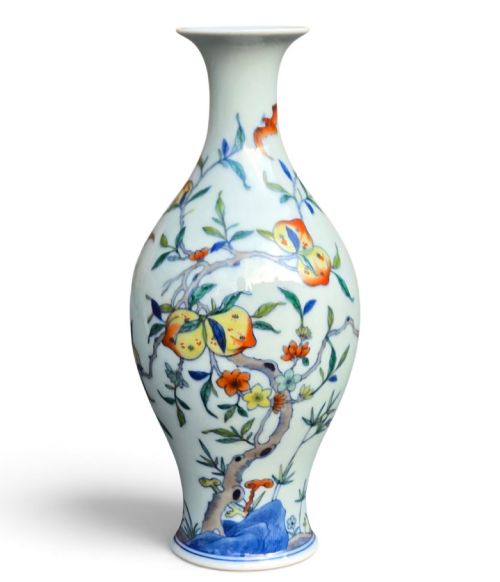
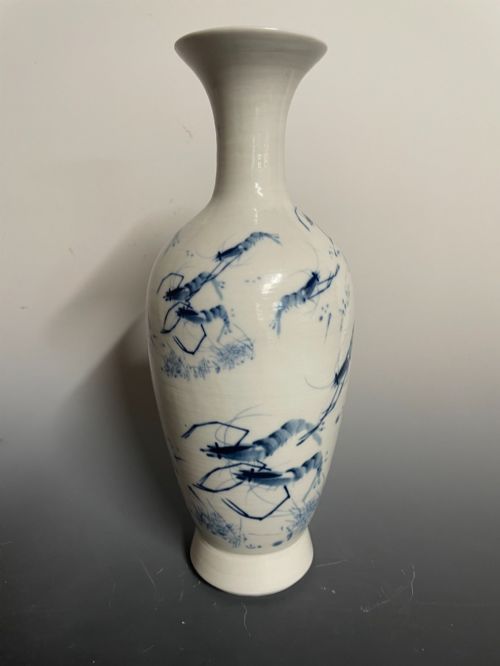
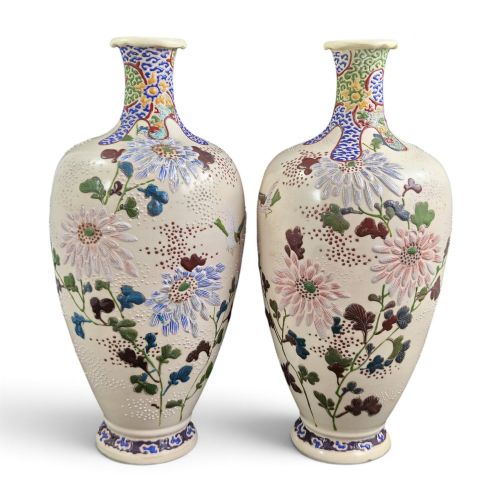
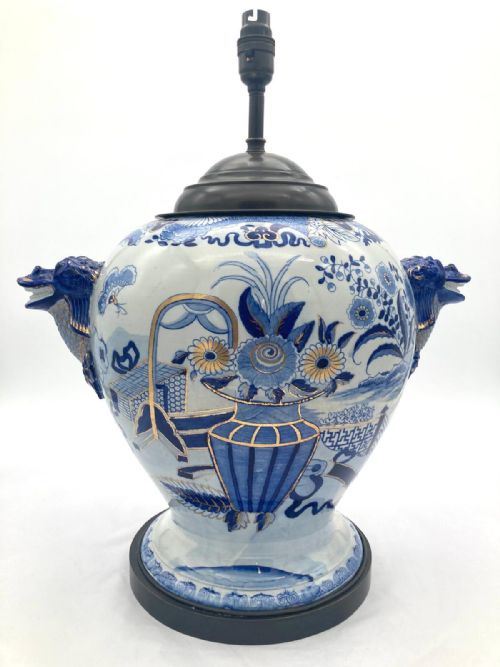
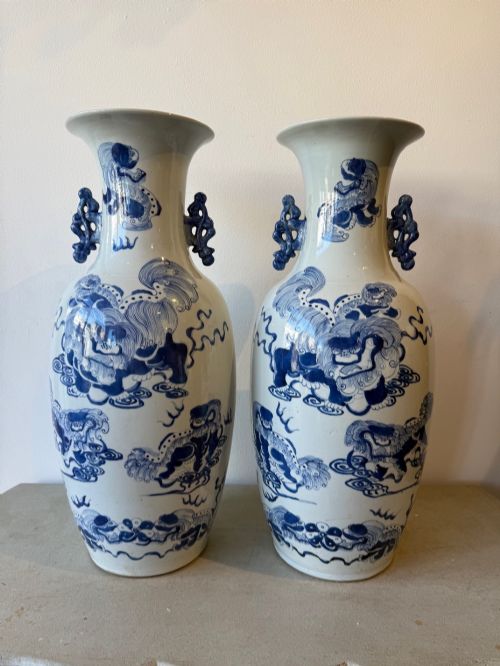
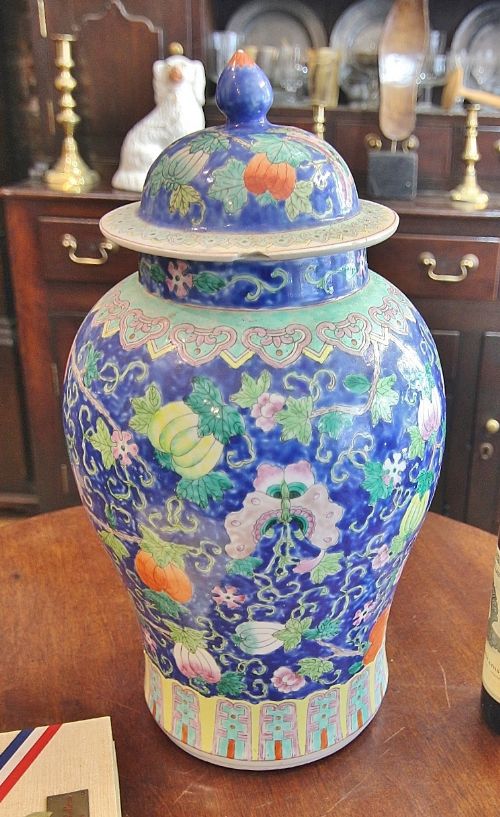
Buyers seeking oriental style porcelain urns examine vessels shaped as jars, vases, and table lamps from periods spanning the nineteenth century into the twentieth. The selection centres on Chinese blue and white porcelain, Japanese Imari, and Satsuma wares created in styles referencing Qing Dynasty designs and earlier traditions.
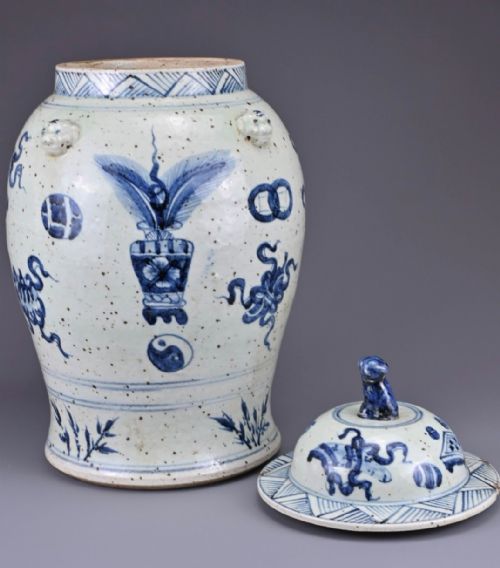
Most examples take the form of large pairs or single bottle vases, ginger jars, and lidded vessels. Makers across Britain and Europe also produced European interpretations using ironstone, earthenware, and cobalt glazes to mimic Eastern aesthetics.
Materials and construction
Potters shaped these vessels from ceramic paste and porcelain, applying cobalt glaze for blue and white designs before firing at high temperatures. Enamel colours and gold leaf were added in subsequent low-temperature firings for styles like Famille Rose and Imari.
Many nineteenth and twentieth century pieces incorporate brass fittings or electrical components when converted into table lamps. Fabric shades and wooden bases frequently accompany pieces adapted for domestic lighting during later decades.
Oriental Style Porcelain Urns Retail Price Guide 2026
Typical asking prices for oriental style porcelain urns among the pieces listed under this phrase on Sellingantiques today, from the lower quarter to the upper quarter. They describe what is for sale here now, not the wider market.
Listings feature porcelain, enamel, cobalt glaze, brass, gold leaf, ceramic, and fabric across nineteenth and twentieth century periods.
Judging quality and craftsmanship
Quality rests upon the crispness of the hand-painted brushwork, the depth of the cobalt blue underglaze, and the precision of the enamel detailing. Superior pieces display controlled pigment application without blurring, alongside finely potted body forms.
The sophistication of the design transfer, whether following traditional Kangxi motifs or later Satsuma patterns, distinguishes standard production wares from exceptional studio and factory outputs.
Hicks and Meigh·Carlton Ware·Royal Doulton·Wedgwood·Fukagawa
The Oriental Style Porcelain Urns Glossary
- Celadon
- A transparent green glaze with subtle crackle patterns applied to porcelain bodies. This finish originated in China and appears on various nineteenth-century vases.
- Doucai
- A Chinese porcelain decorating technique combining underglaze blue outlines with overglaze polychrome enamels. Artisans fill the blue traced compartments with bright colours during a second firing.
- Imari
- A type of Japanese porcelain decorated in underglaze blue, iron red, and gold. These colourful patterns gained immense popularity in Europe during the export trade.
- Kangxi
- A Chinese imperial period noted for fine blue and white porcelain production. Later factories frequently copied these seventeenth-century designs.
- Satsuma
- A type of earthenware from Japan featuring a cracked ivory glaze decorated with detailed enamels and gilding. These pieces often depict figures and natural scenes.
Oriental Style Porcelain Urns: Frequently Asked Questions
Were these originally lamps?
Many vessels began life as lidded jars or decorative vases before receiving conversion into table lamps. Wiring and brass fittings were added during the nineteenth or twentieth centuries.
Urgently inspect the base and body for drilled holes where electrical cords pass through the ceramic structure.
What is the difference between Imari and blue and white?
Blue and white pieces utilise cobalt pigment under a clear glaze to create monochromatic designs of landscapes, dragons, and floral motifs. These reflect traditional Chinese export aesthetics.
Imari wares incorporate a palette of underglaze blue combined with iron red and gold leaf overglaze enamels, originating from Japanese production centres.
How do I care for antique porcelain?
Dust surfaces gently with a soft, dry cloth to prevent accumulation on textured enamel and gilt areas. Avoid using liquid cleaners or chemical solvents on antique glazes.
Keep vessels away from direct sunlight and areas subject to sudden temperature shifts to protect the ceramic body and historical repairs.