


Oriental Red Lacquer Furniture
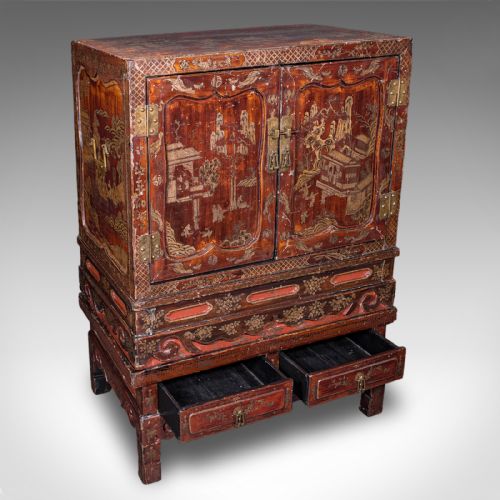
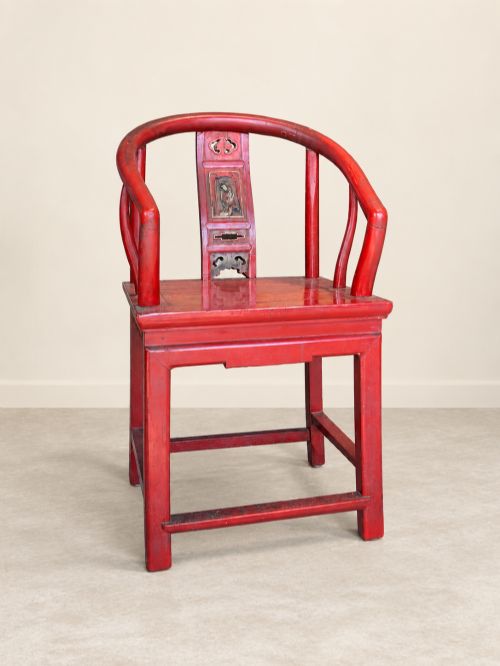
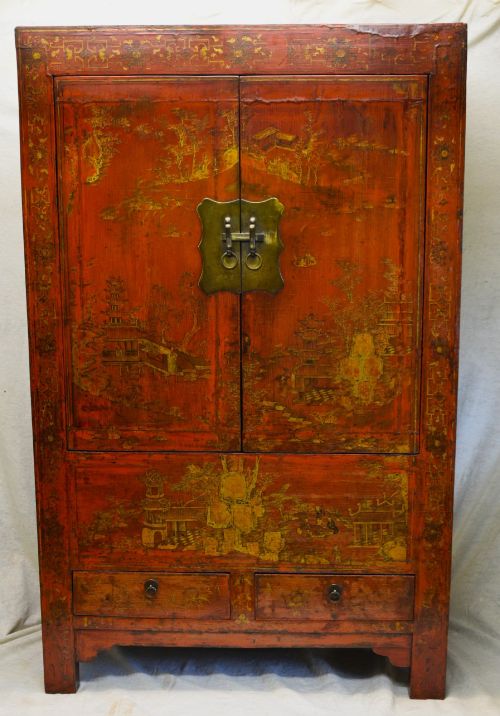
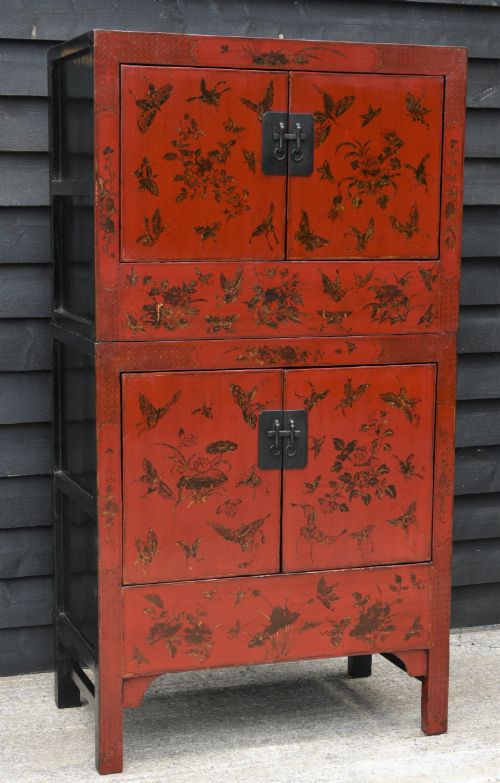
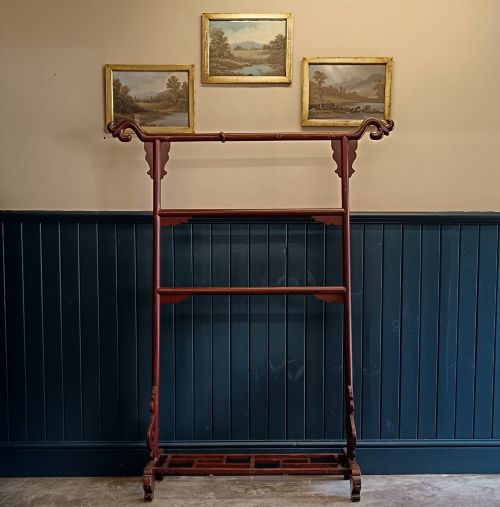
Oriental red lacquer furniture brings rich vermilion finishes, carved panels, and traditional forms into an interior.
Oriental Red Lacquer Furniture
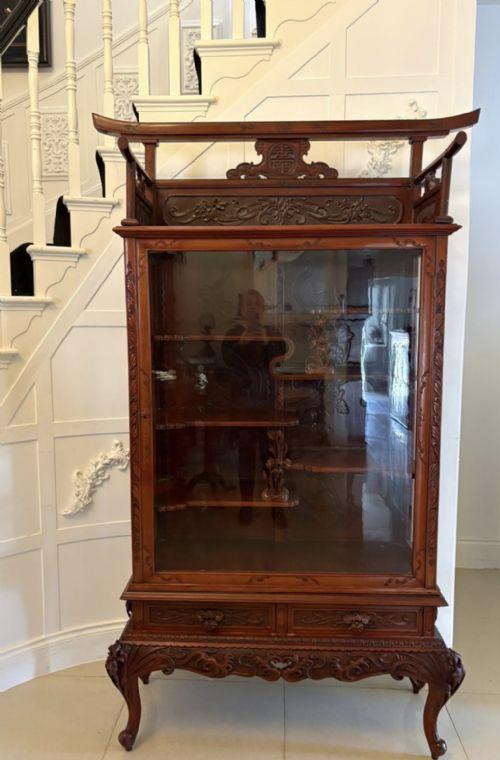
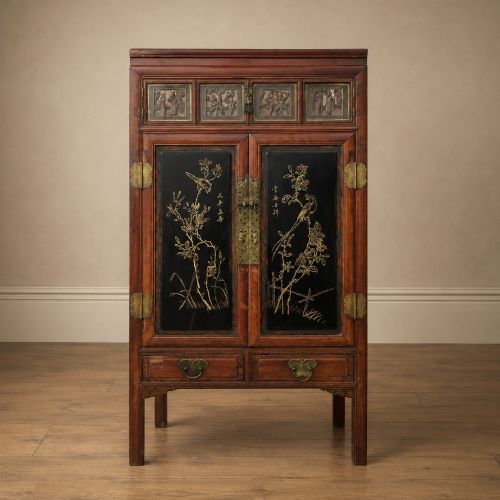
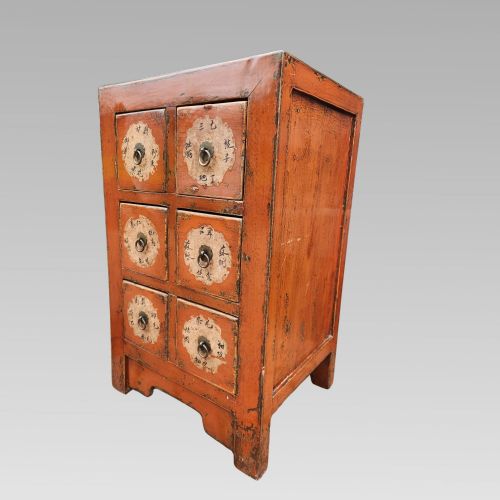
Oriental red lacquer furniture encompasses storage pieces, seating, and tables originating from Chinese, Japanese, and English revival workshops. Buyers searching for oriental red lacquer furniture encounter wedding cabinets, side tables, consoles, and display pieces spanning the nineteenth century through the early decades of the twentieth century.
The selection ranges from large architectural wedding cabinets and apothecary chests to smaller side cabinets, nest of tables, and armchairs. Pieces align with Qing Dynasty traditions, Japanese Meiji aesthetics, provincial designs, and Edwardian Chinoiserie interpretations.
Nineteenth-century examples dominate the offerings, alongside items dated from the 1860s to the 1930s. Construction utilises timber foundations including elm, hardwood, kiri wood, and bamboo, finished with layers of red lacquer, often complemented by gold leaf or black detailing.
Quality factors
The refinement of the surface finish and the depth of the red lacquer layers distinguish different grades of workmanship. Early provincial examples display direct, robust carving, whereas pieces adhering to Qing Dynasty or Meiji period conventions exhibit intricate gilt work and precise joinery.
The integrity of the timber sub-structure and the preservation of the original lacquer surface dictate the character of each piece. Survailing brass or iron hardware and intact carved wooden elements contribute to the overall coherence of the design.
Several items double as marriage beds, wedding cabinets, and temple drums, proving that early domestic storage came with romantic or spiritual ambitions.
The Oriental Red Lacquer Furniture Glossary
- Lacquer
- A durable finish applied to wood in multiple layers, derived from natural tree sap or specialised resins. It cures to a hard, smooth surface that resists moisture and wear.
- Chinoiserie
- European artistic interpretations of Chinese and East Asian decorative styles, popular during various revival periods. This aesthetic appears on English furniture decorated with painted scenes.
- Tansu
- Traditional Japanese mobile storage cabinetry constructed with timber frames and metal hardware. These chests served diverse domestic functions.
- Elm
- A resilient hardwood utilised extensively in Chinese provincial furniture construction. It provides structural stability for lacquered surfaces.
Oriental Red Lacquer Furniture: Frequently Asked Questions
How do I care for red lacquer furniture?
Keep these pieces away from direct sunlight and excessive heat sources to prevent the lacquer from drying or cracking. Dust gently with a dry microfibre cloth and avoid chemical polishes.
Maintain stable humidity levels in the room where the furniture sits. Sudden environmental shifts can affect the underlying wood and cause stress to the lacquered surface.
Where were these pieces used originally?
Wedding cabinets and marriage chests held textiles and valuables in domestic quarters. Altar tables and display cabinets functioned in reception rooms or ceremonial spaces.
Smaller items like side tables, stools, and medicine cabinets served daily utility functions across diverse households and provincial settings.
How do I distinguish Chinese from Japanese pieces?
Chinese examples often feature dense red lacquer, gilt accents, and structural forms associated with Qing Dynasty aesthetics. Wedding cabinets and altar tables demonstrate these characteristics.
Japanese pieces frequently include tansu chest formats, distinct metal hardware arrangements, or specific timbers such as kiri wood. Meiji period items reflect indigenous craftsmanship traditions.
What is English Chinoiserie furniture?
English Chinoiserie pieces represent domestic interpretations of Asian design vocabulary, produced during periods such as the Edwardian era. Craftsmen applied red or scarlet finishes to mirrors, cupboards, and side tables.
These items combine European furniture forms with painted Oriental motifs, differing in construction methods and timber usage from imported Asian originals.