


Oriental Pottery Vessel
When you search for oriental pottery vessel, you encounter a global lineage of ceramic forms spanning centuries of Asian production.
Oriental Pottery Vessel
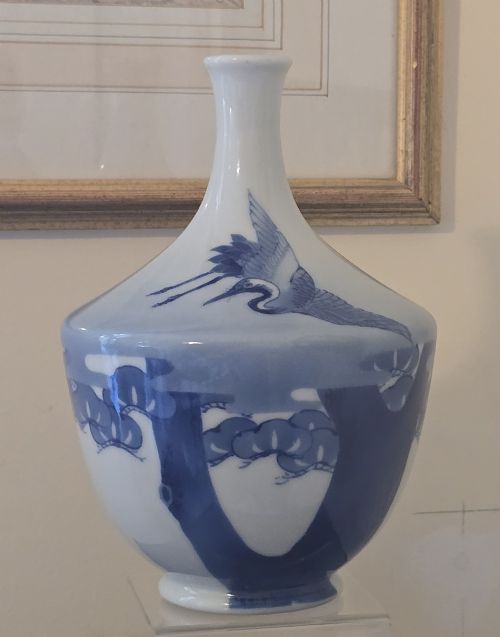
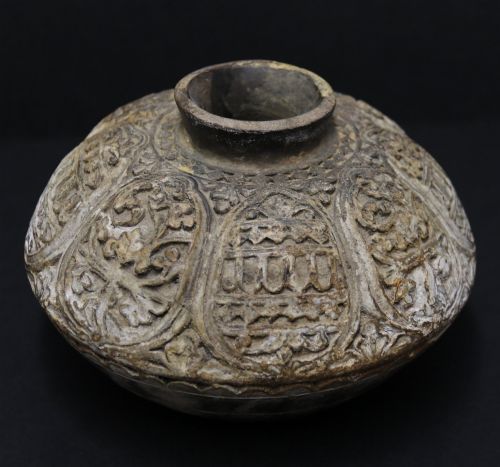
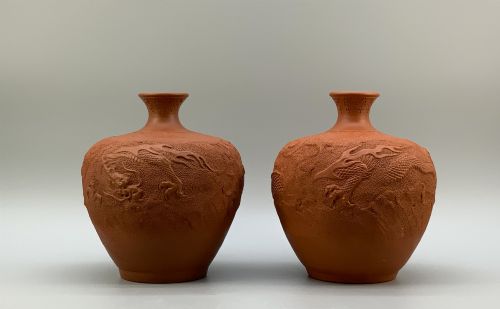
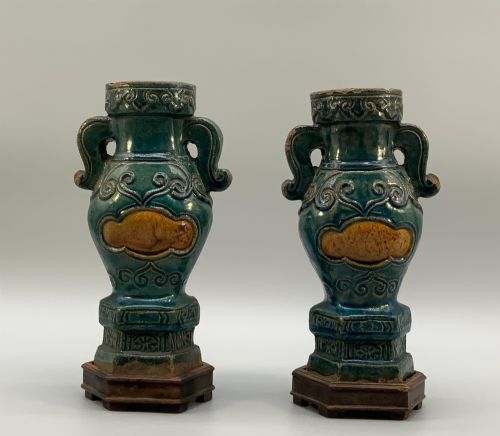
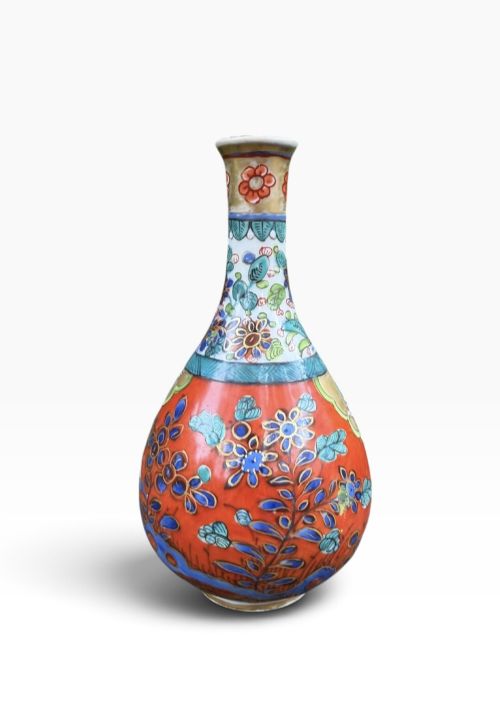
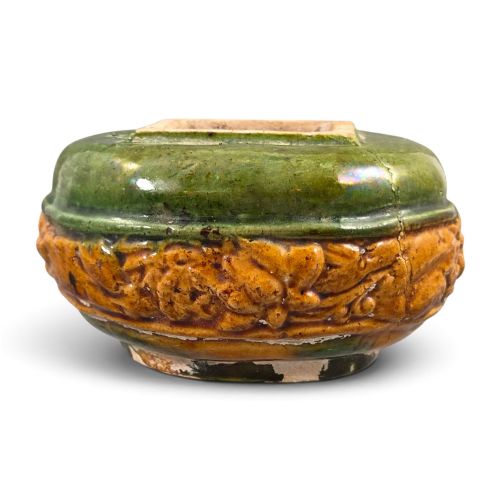
An oriental pottery vessel encompasses a wide array of historical containers, including baluster vases, incense burners, ginger jars, and water pots. These items originate from distinct eastern traditions such as the Meiji period of Japan and the Qing dynasty of China.
Most examples found in these listings date from the seventeenth century through the early twentieth century. Common forms include tall bottle vases, lidded jugs, and ritual censers created for both domestic display and export.
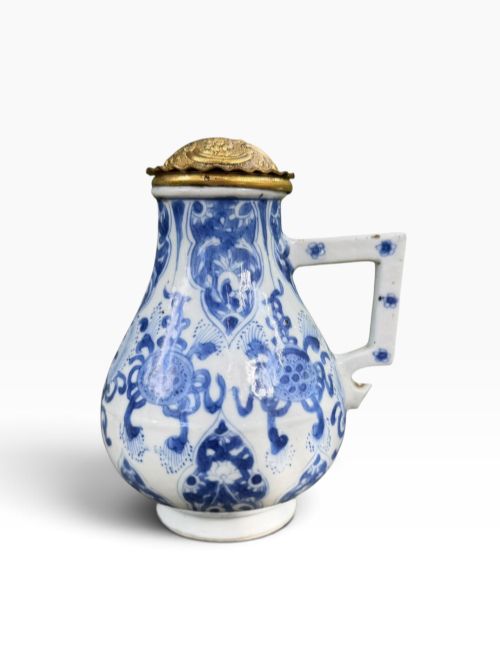
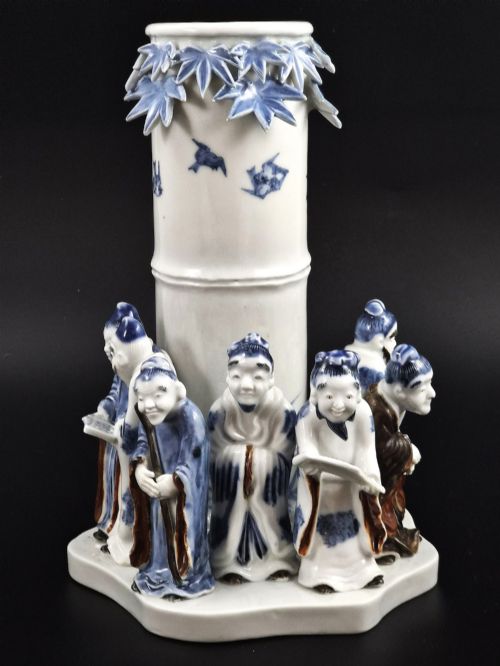
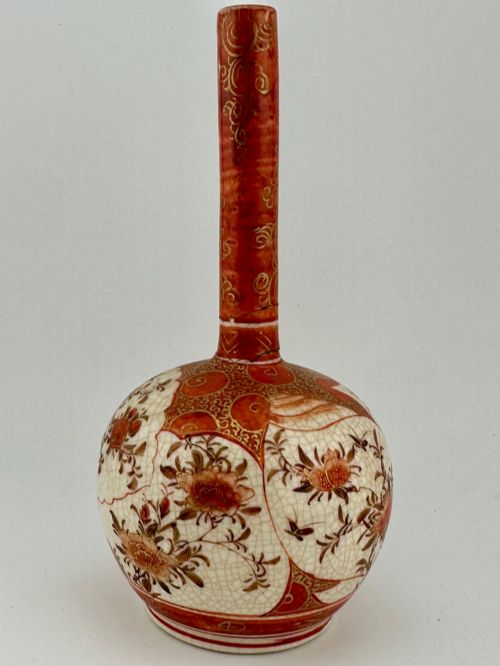
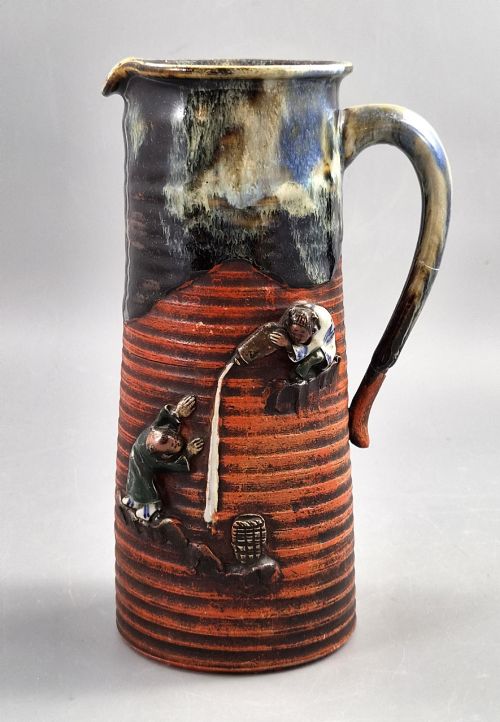
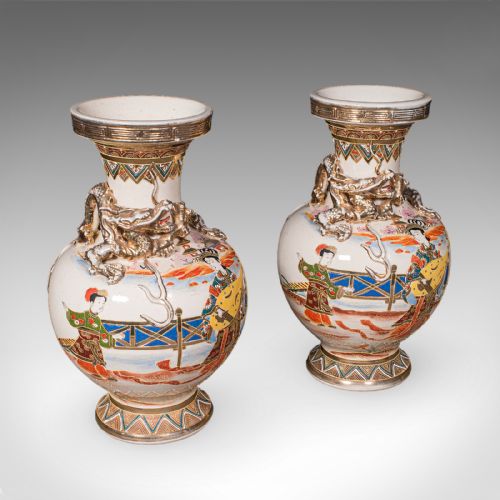
Makers utilised various traditional shapes, ranging from hexagonal vases to globular vessels and handled pitchers. Each piece reflects the specific decorative conventions of its regional pottery centre and period.
Materials and production
Potters shaped these objects from earthenware, stoneware, terracotta, and hard-paste porcelain before applying mineral glazes or enamel colours. Surface decoration frequently involved intricate hand-painting enhanced with gold leaf accents.
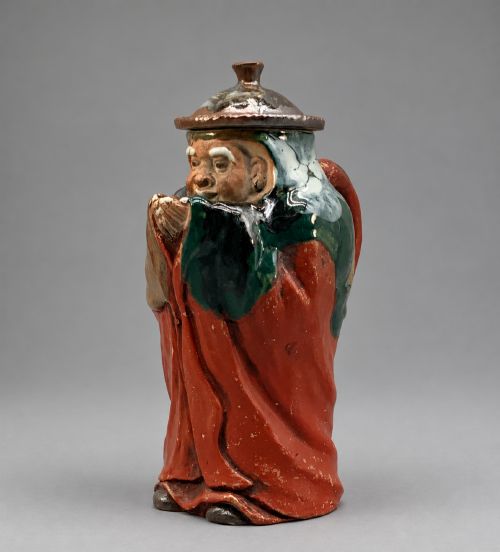
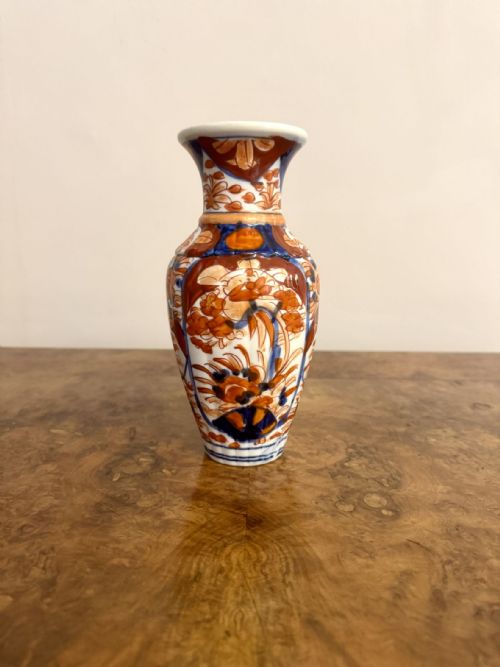
Specialised techniques defined different wares, such as the thick, dripping glazes found on Sumida Gawa pieces or the underglaze blue painting typical of Imari ceramics. Artisans also employed applied figural relief work and incised carving directly into the clay bodies.
Oriental Pottery Vessel Retail Price Guide 2026
Typical asking prices for oriental pottery vessel among the pieces listed under this phrase on Sellingantiques today, from the lower quarter to the upper quarter. They describe what is for sale here now, not the wider market.
Listings feature ceramic objects spanning the seventeenth century to the twentieth century, incorporating earthenware, stoneware, and porcelain.
Evaluating craftsmanship
Superior examples demonstrate meticulous control over kiln temperatures, resulting in stable glazes and precise enamel adherence without running or pooling. The crispness of hand-painted details and the fineness of the clay body distinguish masterworks from standard commercial output.
The precision of applied decorative elements, such as figural modeling and delicate gilding, separates exceptional studio productions from mass-produced wares. Signature marks by recognised ceramic artists often indicate a higher tier of workmanship and design execution.
Hotoda·Makuzu Kozan·Kinkozan·Ryosai
The Oriental Pottery Vessel Glossary
- Baluster
- A tall vessel form characterised by a rounded body that tapers toward the base and swells near the lower centre. This traditional shape provides a stable foundation for expansive painted narrative scenes.
- Imari
- A style of Japanese export porcelain featuring a distinct palette of underglaze blue, iron red, and abundant gilt highlights. Artisans produced these wares primarily in Arita for both domestic use and Western trade.
- Satsuma
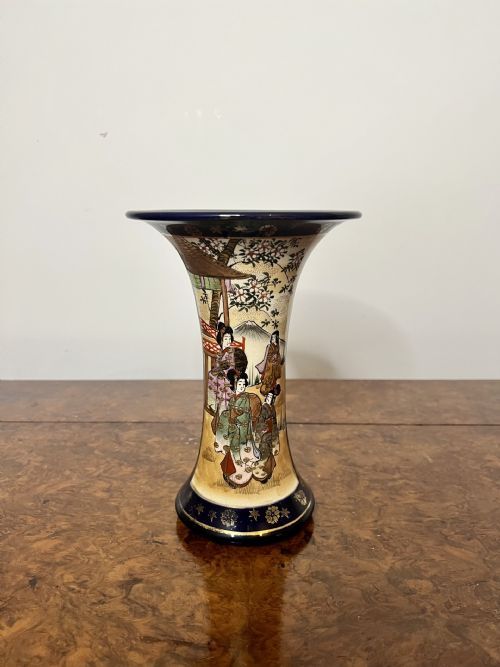
- An earthenware ceramic type originating from the Satsuma Province, known for a finely crackled ivory glaze decorated with polychrome enamels and gold. Later production centres expanded across Kyoto and Tokyo.
- Censer
- A ritual container designed for burning incense during ceremonial or scholarly practices. These vessels often feature tripod supports and pierced covers to allow smoke to disperse.
- Clobbered
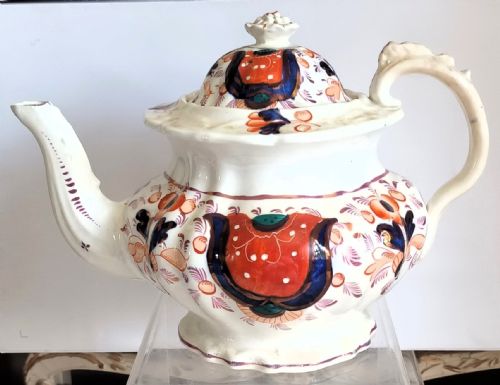
- A historical term describing older blue and white porcelain that received subsequent layers of coloured enamels and gilding in European workshops. This secondary decoration altered the original appearance to suit changing aesthetic demands.
Oriental Pottery Vessel: Frequently Asked Questions
How do I display an antique vessel safely?
Place heavier stoneware and porcelain pieces on sturdy, level surfaces away from high-traffic zones where accidental bumps might occur. Ensure direct sunlight is managed to protect delicate enamel pigments over long periods.
Avoid using abrasive cleaning products or water immersion on pieces with applied clay figures or exposed gold leaf. A soft, dry duster is sufficient for routine maintenance.
What is the difference between porcelain and earthenware?
Porcelain is fired at extremely high temperatures using refined kaolin clay, resulting in a dense, non-porous white body that often rings when struck. Earthenware utilises coarser clay fired at lower temperatures, remaining porous unless sealed completely with glaze.
Historical ceramic vessels from Asia utilise both mediums depending on the regional workshop and intended function. Examining the unglazed foot rim usually reveals the underlying clay composition.
How do I identify a Meiji period ceramic?
Meiji period items date from the late nineteenth to the early twentieth century during the reign of Emperor Meiji in Japan. These pieces frequently combine traditional decorative motifs with western export influences, showing exceptional technical skill in Satsuma and Kutani wares.
Many high-grade examples feature artist signatures or studio seals painted on the base. Stylistic markers often include dense figural processions, naturalistic flora, and intricate gilt detailing.
Were these vessels used in daily life?
Many forms fulfilled specific domestic or ritual functions, such as water pots used by scholars, pitchers for serving, and censers for burning aromatic resins. Other decorative vases served primarily as interior ornaments for elite households.
Over time, numerous export items crossed international trade routes to adorn European and American interiors. Their dual role as utilitarian objects and fine art pieces dictates how collectors handle them today.