
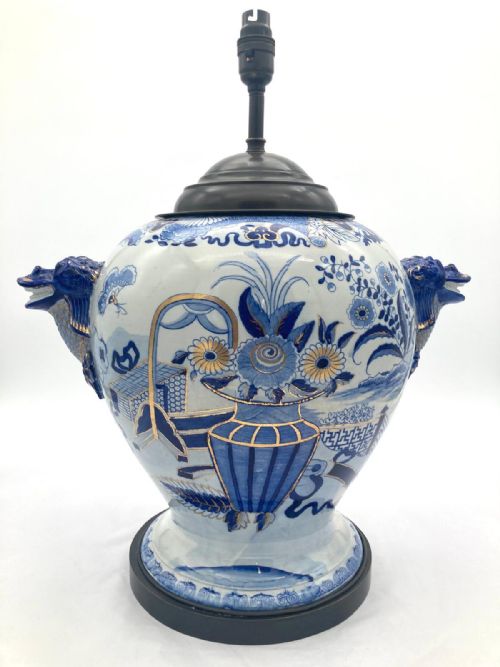


Oriental Porcelain Vase Base
An oriental porcelain vase base brings together centuries of ceramic artistry and domestic illumination, offering a striking anchor for a room.
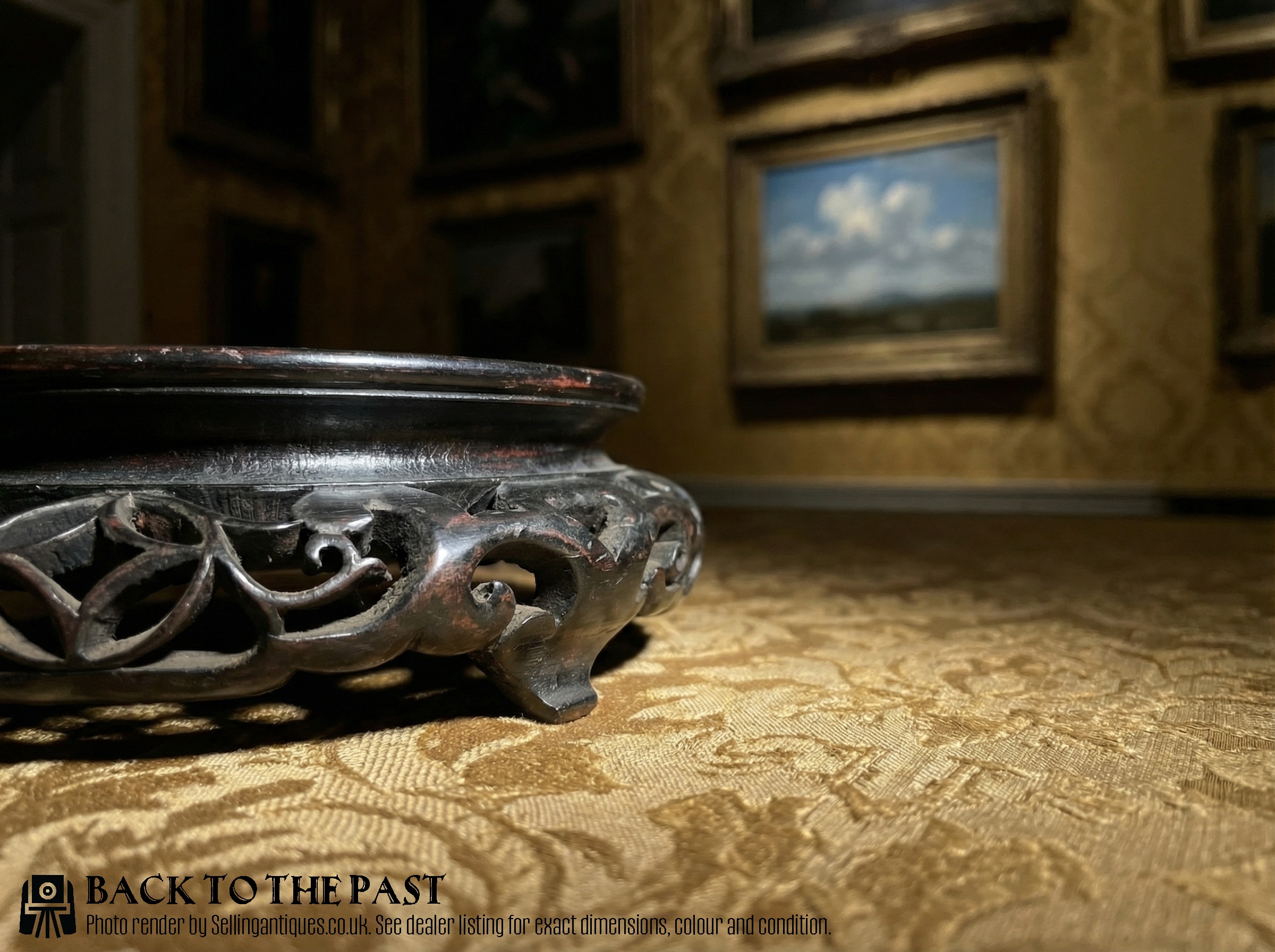
Oriental Porcelain Vase Base
When searching for an oriental porcelain vase base, collectors encounter ceramic vessels adapted into table lamps, often featuring mounts of brass or gilt bronze alongside traditional bodies. These pieces span periods from the eighteenth century through the early twentieth century, reflecting both Chinese and Japanese traditions adapted for Western interiors.
The domestic adaptations frequently originate from nineteenth-century workshops, where artisans converted ginger jars and baluster vessels into functional lighting by adding electrical fittings or metal bases. Surviving examples range from blue and white porcelains to celadon and crackleware glazes.
Alongside converted lamps, the selection includes hardwood stands designed to elevate these ceramic vessels. The typical encounter on this page is a nineteenth-century Chinese table lamp utilising a vase body with a hand-painted or monochrome glaze.
Materials and Technique
Potters shaped these vessels from high-fired ceramic and porcelain bodies, applying mineral pigments before glazing and firing them in kilns. Cobalt provided the deep blues for traditional painting, while copper and iron oxides yielded rich celadon, sang de bouef, and flambe finishes.
Metalworkers contributed cast brass and ormolu mounts to secure the porcelain bodies and provide stable feet for domestic lighting. Hardwood stands, carved from dense timbers, offered a separate support structure for display without altering the ceramic vessel.
Listings feature eighteenth and nineteenth-century Chinese porcelain alongside Japanese Meiji period Satsuma wares.
Assessing Quality
Quality rests on the crispness of the hand-painted detail and the depth of the glaze, distinguishing finely potted ceramics from mass-produced wares. Superior pieces display controlled pigment application and balanced proportions that complement the original ceramic form.
The integration of metal mounts and electrical fittings also dictates standard; mounts cast in gilt bronze or brass that respect the antique body without damaging the porcelain elevate the piece. The preservation of original marks on the base adds historical weight to the vessel.
Hicks and Meigh
The Oriental Porcelain Vase Base Glossary
- Celadon
- A pale green or grey-green glaze applied to porcelain, originating in China and prized for its jade-like appearance. It covers a dense ceramic body.
- Famille Rose
- A palette of opaque enamel colours dominated by pink or rose, introduced during the Qing Dynasty. Artisans used these enamels for detailed floral and figural scenes.
- Imari
- A style of Japanese export porcelain featuring underglaze blue and overglaze red, gold, and green. Arita kilns produced these wares primarily for European markets.
- Ormolu
- Gilt bronze mounted onto furniture and ceramics for decorative effect. Craftsmen chiselled and gilded the cast bronze to create a bright metallic finish.
- Baluster
- A vase form with a rounded body that tapers towards the neck and base. This shape provides stability when converted into a table lamp.
Oriental Porcelain Vase Base: Frequently Asked Questions
How are these vase lamps wired?
Most antique vase lamps are wired through drilled bases or fitted with brass mounts that hold the electrical hardware without harming the porcelain. Modern rewiring ensures safety for daily use.
Buyers should inspect the cord exit and plug to confirm the electrical components meet current standards while preserving the antique body.
Can the metal mounts be removed?
Metal mounts and ormolu fixtures are typically fitted securely to the ceramic body to support the lamp fittings. Removing them risks damaging the antique porcelain and altering the intended form.
These mounts form an integral part of the conversion history and contribute to the decorative character of the piece.
What do base marks indicate?
Marks on the bottom of the porcelain, such as four-character inscriptions, often reference earlier imperial reigns like the Kangxi period. These marks can indicate the stylistic inspiration or the actual era of manufacture.
Collectors examine these symbols alongside the glaze characteristics and body weight to determine the age of the ceramic.
How do I care for antique porcelain lamps?
Dust the porcelain and metal mounts gently with a soft, dry cloth to prevent accumulation of dirt. Avoid using harsh chemical cleaners or abrasive materials that might scratch the glaze or tarnish the brass.
Keep the lamp away from direct sunlight and areas of high moisture to protect both the ceramic body and the electrical components.