





Oriental Porcelain Lights
Oriental porcelain lights bring together centuries-old ceramic vessels and domestic illumination, offering transformed vases and jars as focal points for a room.
Oriental Porcelain Lights
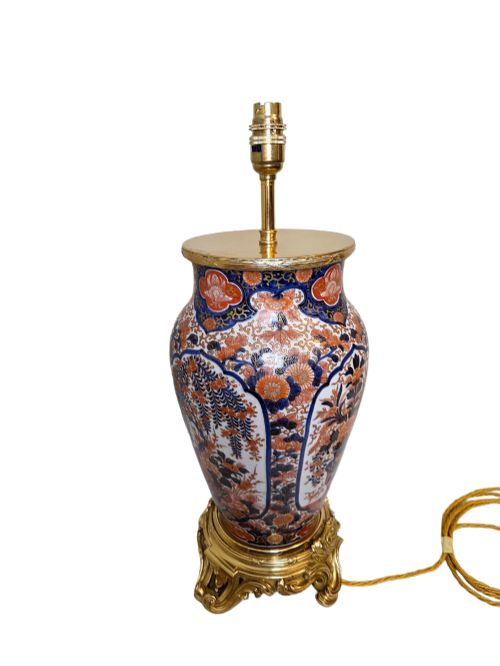
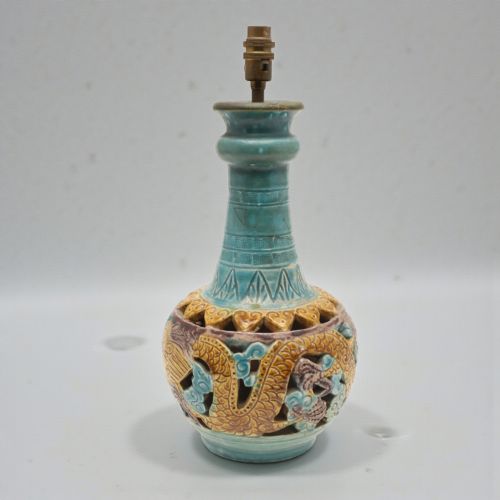
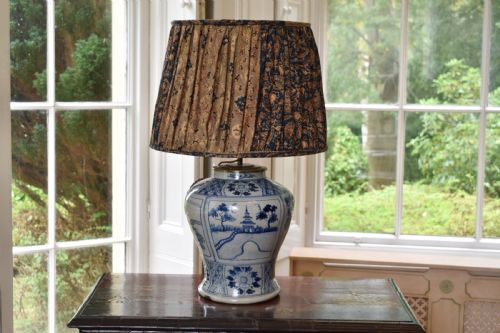
These pieces consist chiefly of table lamps fashioned from converted ceramic vessels originating in China and Japan, spanning the seventeenth century through to the early decades of the twentieth century. Common forms include ginger jars, vases, and figural sculptures mounted for electrical use.
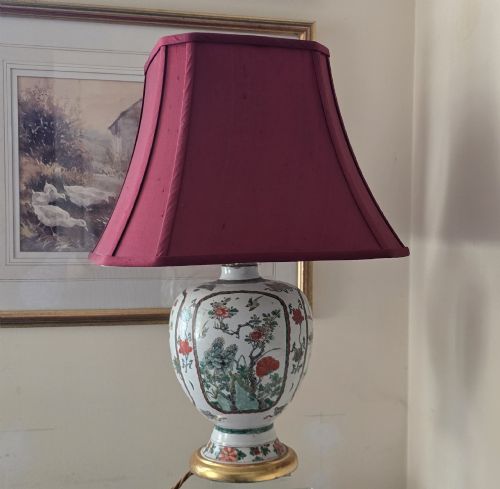
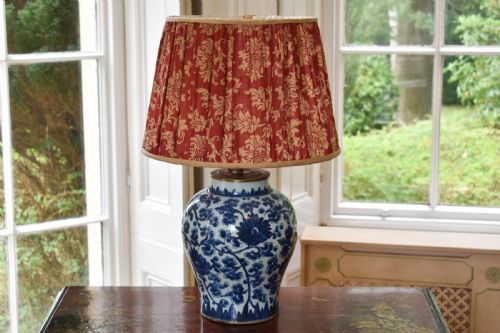
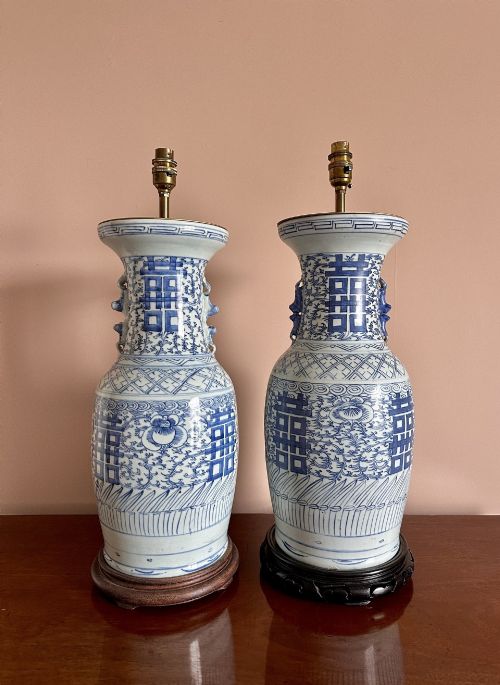
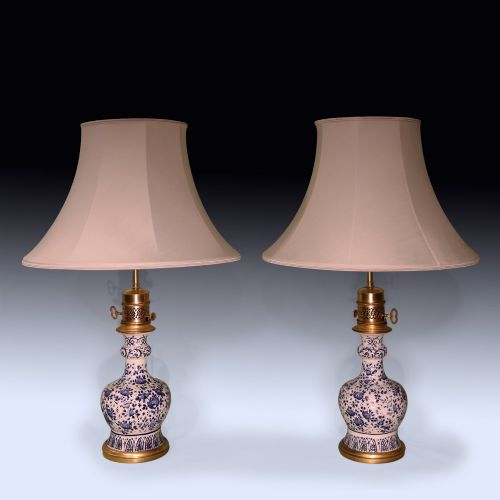
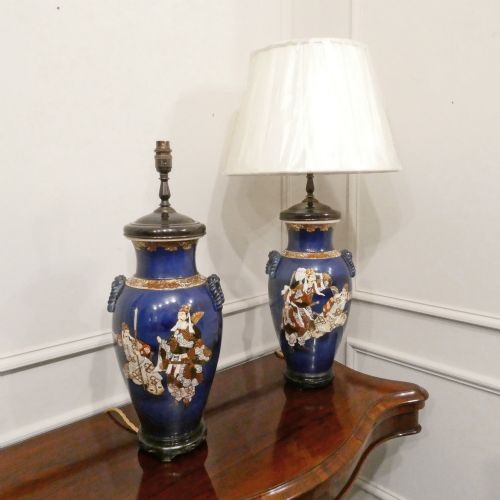
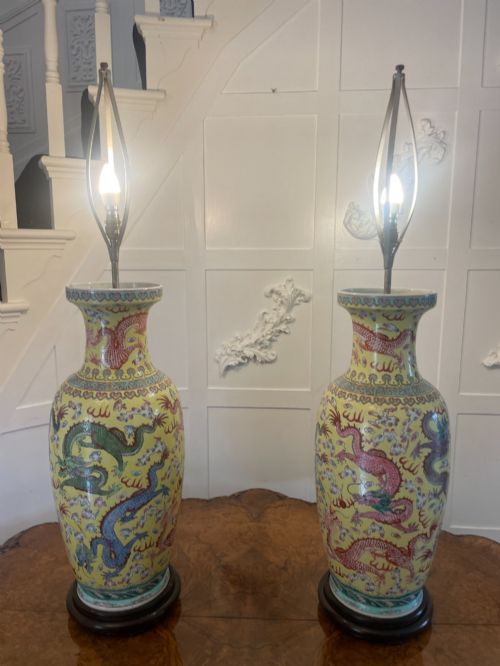
Vessels from the Chinese tradition dominate the selection, including blue and white porcelain, celadon, and the polychrome palettes of Famille Rose and Famille Verte. Japanese pieces are represented by Satsuma ware and Kutani porcelain from the Meiji period and Edo period.
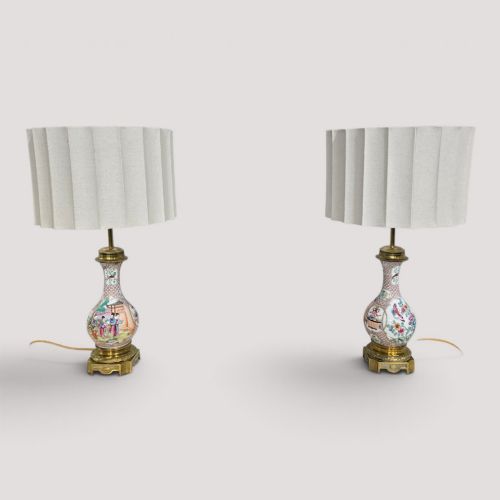
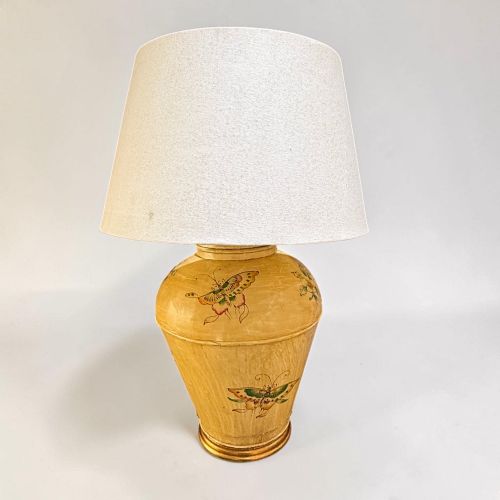
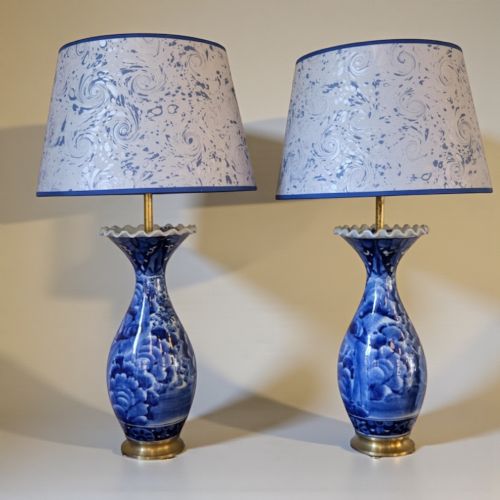
Many examples are presented as pairs, utilising matching vases or jars adapted into symmetrical table lamps. Single monumental vases also appear, alongside smaller decorative jar lamps fitted with fabric shades.
Craftsmanship and Proportion
Quality rests upon the artistic merit of the underlying ceramic vessel, with hand-painted detail, glaze depth, and clarity of design distinguishing finer examples from standard production. The preservation of the porcelain body, free from significant cracks or loss to the enamel decoration, governs the desirability of each piece.
The standard of metal mounting, particularly where ormolu or brass is employed to stabilise and elevate the ceramic body, dictates the overall harmony of the conversion. Balanced proportions between the porcelain vessel and the supporting base determine the success of the finished lamp.
Oriental Porcelain Lights Retail Price Guide 2026
Typical asking prices for oriental porcelain lights among the pieces listed under this phrase on Sellingantiques today, from the lower quarter to the upper quarter. They describe what is for sale here now, not the wider market.
Several former ginger jars now lead a second life reading bedtime stories from the bedside table.
The Oriental Porcelain Lights Glossary
- Famille Rose
- A palette of Chinese porcelain decoration characterised by opaque pink or rose enamel, introduced during the Qing dynasty. This grouping includes softer pastel shades alongside dense floral arrangements.
- Famille Verte
- A classification of Chinese porcelain defined by a dominant green enamel palette, prevalent during the Qing dynasty. It often incorporates detailed scenes in iron red, blue, and black overglaze.
- Satsuma
- Japanese earthenware originating from the Satsuma province, typically featuring a ivory crackle-glaze finish decorated with elaborate polychrome enamels and gilding. These wares were widely produced during the Meiji period.
- Celadon
- A term for ceramics denoting a pale green translucent glaze that mimics the appearance of jade. The finish relies on iron oxide reacting in a reduction kiln.
- Ginger Jar
- A broad-shouldered ceramic storage vessel with a domed lid, frequently adapted for use as a lamp base. These jars often display blue and white or polychrome painted designs.
Oriental Porcelain Lights: Frequently Asked Questions
How do I choose the right size lamp?
Consider the height and weight of the porcelain vessel in relation to the furniture surface it will occupy. Larger floor or table vases require substantial side tables to maintain visual balance.
Ensure the proportions of the fitted shade complement the width of the ceramic body without overwhelming the painted decoration.
Are these lamps recently rewired?
Many converted vessels have been adapted at different points in their history, with some listings noting updated electrical fittings. It is advisable to consult a qualified electrician to check components before daily use.
Electrical standards vary, and modern safety testing ensures the internal wiring matches contemporary domestic requirements.
How should I clean porcelain lamp bases?
Dust the ceramic body gently with a dry, soft cloth to prevent accumulation on painted enamel or textured surfaces. Avoid abrasive cleaners or excess moisture near the mounted electrical hardware.
Care should be taken around gilt bronze or ormolu mounts to preserve the patination of the metal.
Can I date the ceramic vessel separately from the lamp fittings?
The ceramic body usually originates from an earlier period, such as the nineteenth century or the Meiji era, while the electrical hardware and mounting brass are later additions. Stylistic markers in the glaze and painting help determine the age of the base.
Examining the base of the vessel often reveals manufacturing marks or characteristics unique to its original period of creation.