
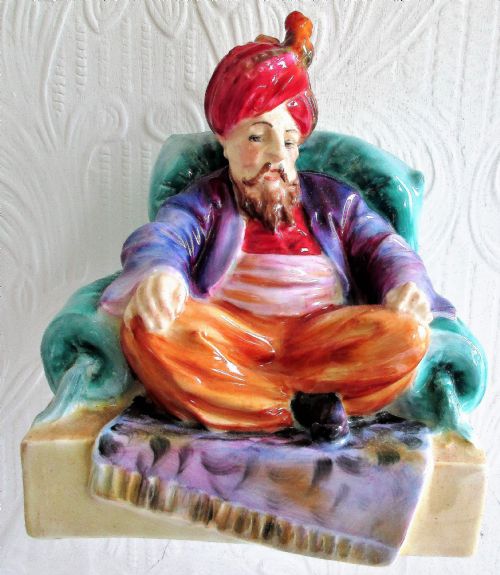
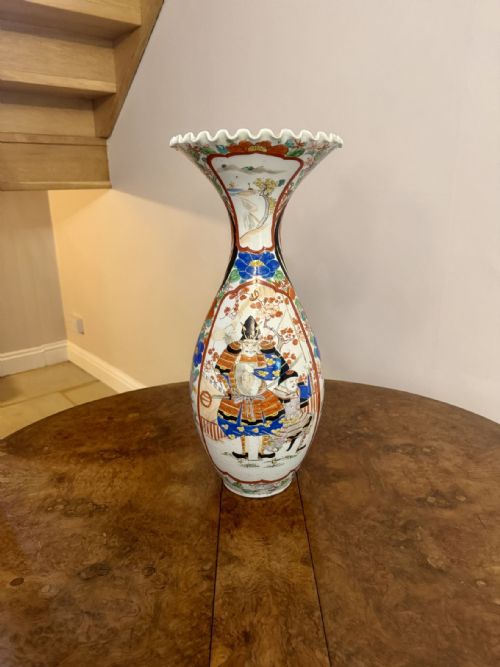
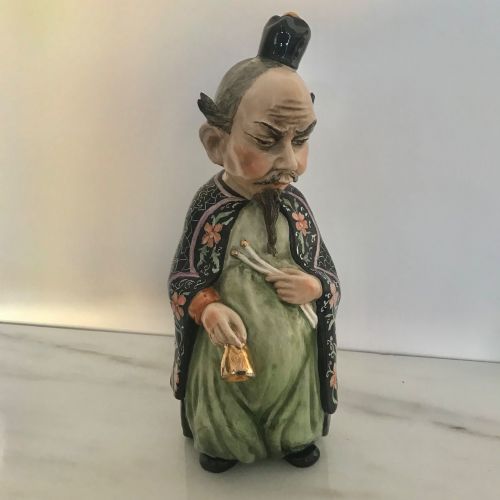
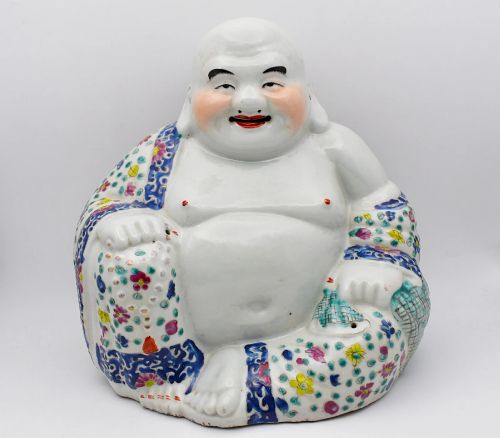


Oriental Porcelain Figure
Oriental porcelain figure works span centuries of skilled modelling from Chinese and Japanese kilns, offering collectors rich historical deities, immortals and court figures to display.
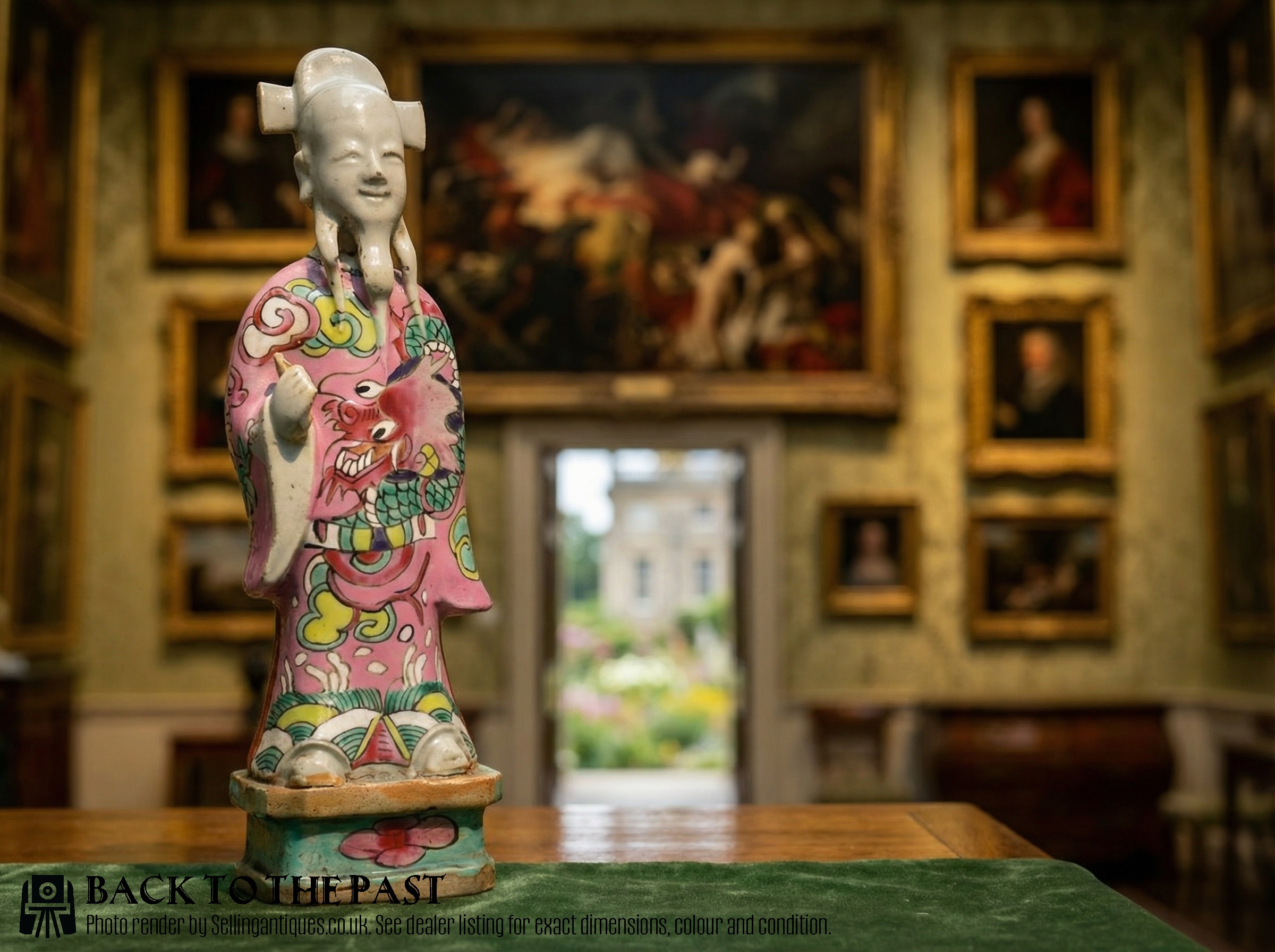
Oriental Porcelain Figure
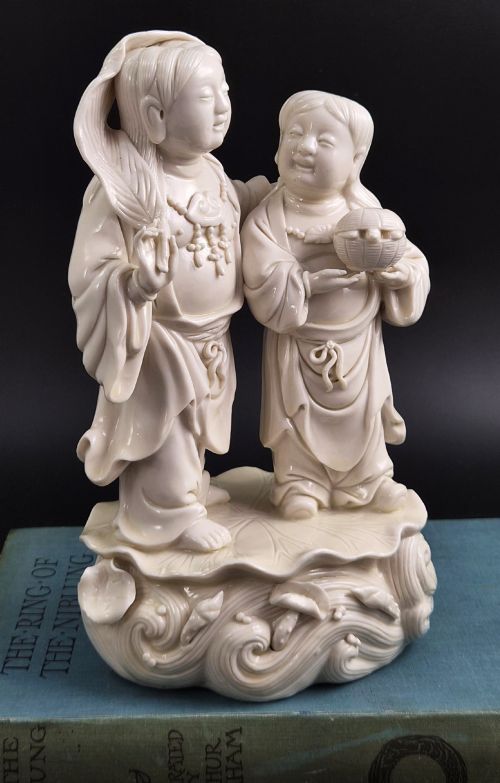
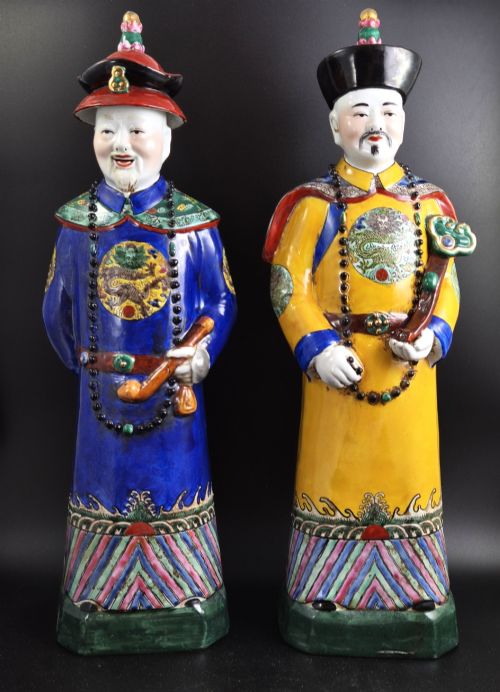
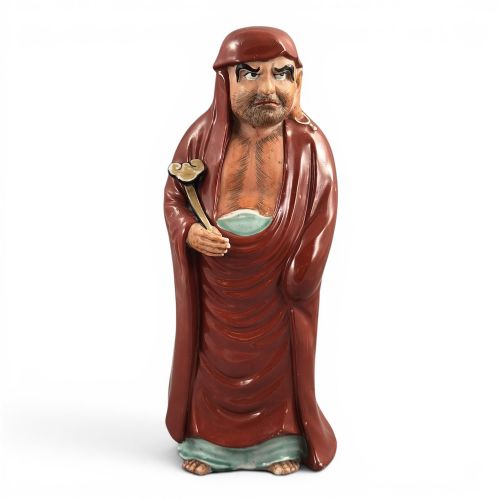
When you examine an oriental porcelain figure, you encounter depictions of deities, sages, and literary figures shaped by traditional makers. The selections range from Chinese Qing dynasty immortals to Japanese Meiji period Okimono sculptures.
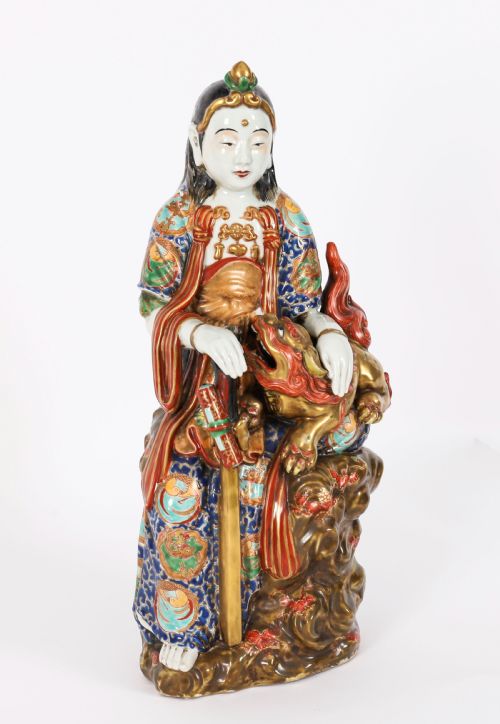
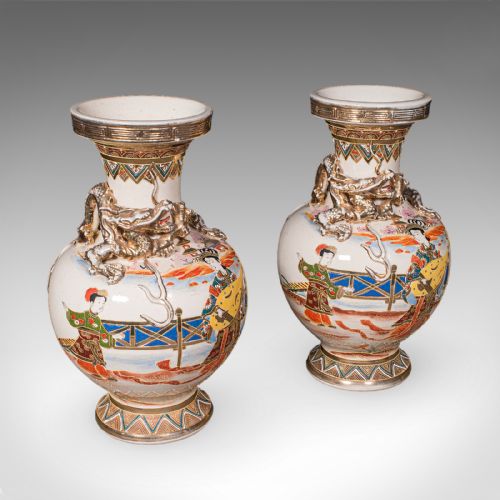
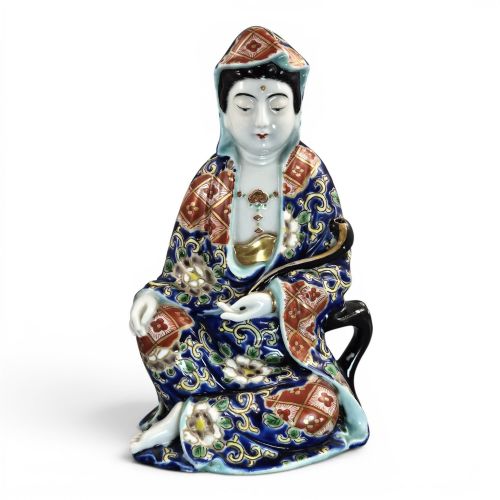
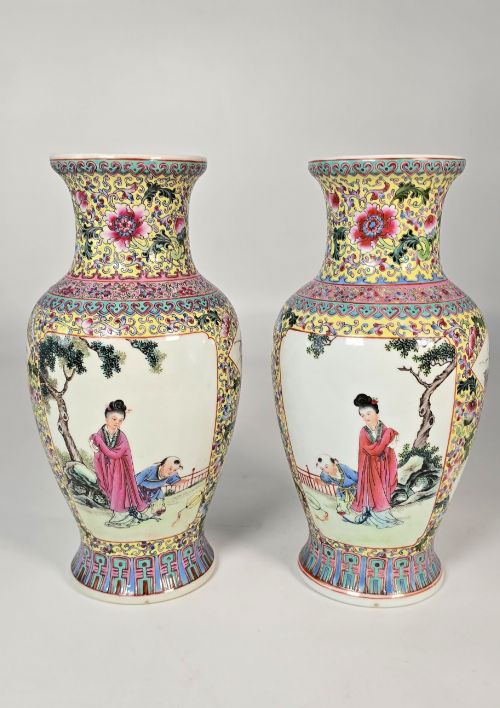
The versions most frequently met on this page include Kutani ceramic deities, Satsuma court figures, and Famille Rose religious sculptures. These pieces embody centuries of cultural narrative moulded directly in clay.
Makers utilised ceramic forms to portray figures such as Guanyin, Budai, and various gods of longevity. Each sculpture represents specific mythological or spiritual traditions from Asian workshops.
How They Were Made
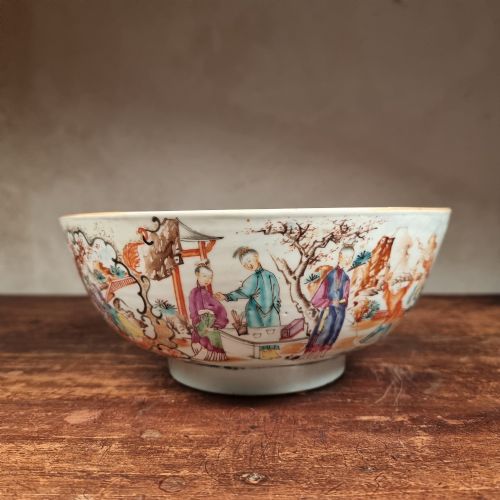
Kiln workers controlled complex firing processes to set cobalt blue designs, sancai glazes, and multi-coloured enamel palettes. Subsequent overglaze painting added intricate patterns to robes, architectural elements, and bases.
Listings feature porcelain, earthenware, and ceramic pieces incorporating gold leaf, enamel, and glaze across the nineteenth and twentieth centuries.
What Varies in Quality
Enamel application and gilding control further distinguish the range, as precise brushwork and balanced colour palettes denote high workshop output. Pieces featuring clean glaze vitrification and crisp incisions display superior technical execution.
Royal Doulton·Kinkozan Kyoto·Tokyo Taizan·Zhu Mao Ji·Fujian Huiguan
The Oriental Porcelain Figure Glossary
- Okimono
- A Japanese decorative freestanding sculpture intended for display in an interior setting. These figures frequently depict deities, historical personages, or animals from traditional folklore.
- Famille Rose
- A palette of Chinese porcelain enamels dominated by opaque pink or purple, introduced during the Qing dynasty. This technique allowed artists to achieve subtle gradations of tone on robes and floral motifs.
- Satsuma
- A type of Japanese earthenware featuring a crackled ivory glaze decorated with intricate enamel and gold leaf designs. Workshops in the Satsuma domain and Kyoto produced these wares primarily for export.
- Kutani
- Japanese ceramic ware characterised by bold, colourful enamel designs often incorporating rich greens, purples, blues, and reds. Kutani kilns produced numerous figural models of Buddhist deities and immortals.
- Sancai
- A three-colour glaze technique traditionally utilising green, amber, and cream or white tones on ceramic bodies. Potters applied these lead-glazed colours widely during earlier dynasties and later revival periods.
- Moriage
- A decorative ceramic technique involving raised dots or lines of slip applied to create textured surface patterns. Artisans frequently used this method on Satsuma pottery to outline robes and ornaments.
Oriental Porcelain Figure: Frequently Asked Questions
What deities appear as oriental porcelain figures?
Makers frequently portrayed figures such as Guanyin, the goddess of mercy, and Budai, the laughing Buddha. Other common subjects include the longevity god Jurojin and various Taoist immortals.
These subjects reflected deeply held spiritual beliefs and cultural values in China and Japan. Collectors often identify them through specific iconographic attributes like scrolls, staff, or beads.
How do I distinguish Satsuma from Kutani?
Satsuma pieces typically feature a characteristic crackled ivory-coloured earthenware glaze enriched with dense enamel and gold leaf. Kutani works usually employ porcelain or fine ceramic bodies decorated with vivid, multicoloured enamel palettes.
Examining the underlying paste and the texture of the glaze helps clarify the origin of the piece. Markings on the base, where present, provide further indication of the producing region or kiln.
How were these figures displayed originally?
Japanese Okimono and smaller ceramic figures were traditionally placed within the tokonoma alcove of a traditional room. Larger sculptures and temple figures served devotional purposes or decorated wealthy merchant interiors.
Their placement was intended to invite contemplation and bring auspicious fortune to the household. Today, collectors house them within cabinet displays or on dedicated shelves.
What period do most of these sculptures date from?
The majority of pieces originate from the nineteenth century and the Meiji or Qing periods. This era saw extensive production for both domestic reverence and the burgeoning international export market.
Earlier pieces from the Kangxi or Qianlong eras occasionally appear, marked by distinct porcelain bodies and refined enamel work. Dating relies on stylistic analysis, baseline signatures, and material composition.