






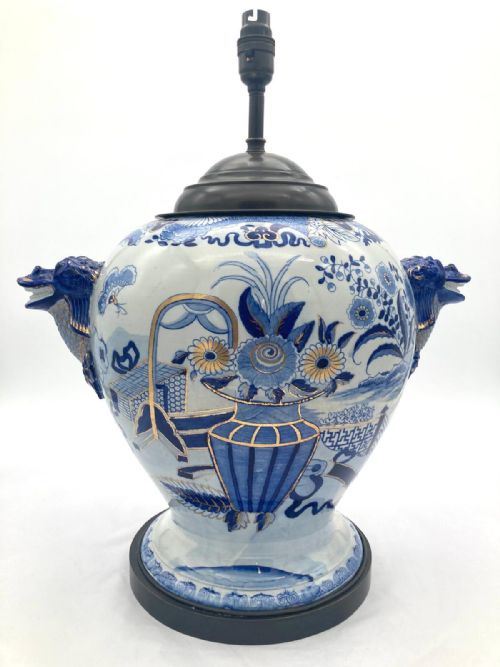


Oriental Porcelain Desk Lamp
An oriental porcelain desk lamp brings hand-painted pottery into a working room, turning old vases into practical light sources.
Oriental Porcelain Desk Lamp
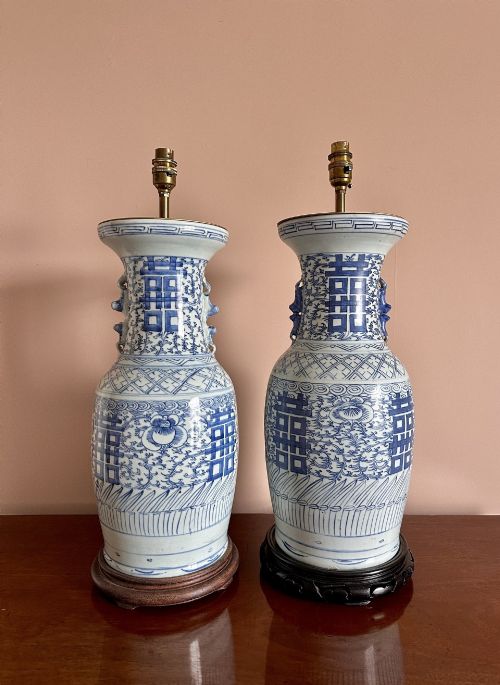
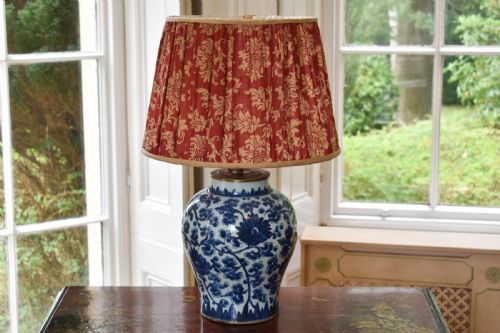
An oriental porcelain desk lamp adapts antique ceramic vessels into functional lighting for a study or table. The examples available span the nineteenth century and the year nineteen twenty, drawing on distinct aesthetic traditions.
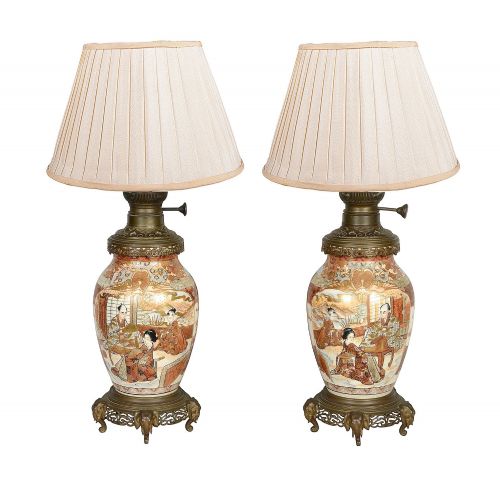
The forms originate from East Asia, including Japanese Kutani wares and Chinese export pieces. Makers transformed these vases into lamps by mounting them on bases and adding electrical fittings while keeping the original ceramic body intact.
Buyers encounter several distinct decorative styles within this group. Japanese Meiji pieces sit alongside Qing Dynasty Chinese works, Chinoiserie designs, and crackle ware or famille rose vases.
Materials and construction
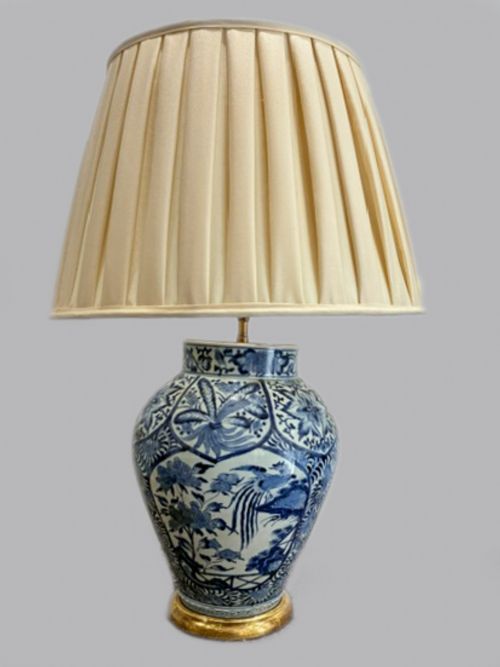
The primary body of each lamp is formed from porcelain, often shaped as a baluster vase or a flambe vessel. Artisans decorated these ceramic surfaces with hand-painted glazes, including blue and white designs.
The mounting and support structures incorporate brass, wood, and fabric alongside the ceramic core. Silk and fabric shades complete the construction, pairing traditional pottery with domestic lighting hardware.
Oriental Porcelain Desk Lamp Retail Price Guide 2026
Typical asking prices for oriental porcelain desk lamp among the pieces listed under this phrase on Sellingantiques today, from the lower quarter to the upper quarter. They describe what is for sale here now, not the wider market.
Every lamp began its life as a vase, only to be promoted from holding flowers to holding up a light bulb.
Judging the quality
Quality rests on the artistic merit of the original ceramic body and the harmony of its conversion. Finer pieces display carefully controlled glaze effects, such as flambe coloration or precise famille rose painting.
The relationship between the vase and its mounts dictates the success of the finished lamp. Superior examples use metal and wood components that complement the proportions and period of the pottery without obscuring its form.
The Oriental Porcelain Desk Lamp Glossary
- Baluster
- A vase shape with a rounded lower body that tapers towards the neck. This silhouette provides a stable base for conversion into a table lamp.
- Famille rose
- A palette of opaque overglaze enamel colours introduced in China during the Qing Dynasty. Pink hues dominate this decorative scheme.
- Crackle ware
- Pottery featuring a network of fine intentional cracks in the glaze. This texture adds a distinct decorative pattern to the ceramic surface.
- Flambe
- A rich, streaked glaze achieved through high-fired reduction kilns. The technique produces dramatic shifts in colour across the porcelain body.
- Meiji
- A period in Japanese history spanning the late nineteenth and early twentieth centuries. Works from this era often display detailed pictorial painting.
Oriental Porcelain Desk Lamp: Frequently Asked Questions
What is an oriental porcelain desk lamp?
These pieces combine antique East Asian ceramics with modern electrical hardware to create functional table lighting. They repurpose vases into lamps for everyday use.
The selection includes nineteenth-century pieces and nineteen-twenty examples featuring traditional Chinese and Japanese glazing techniques.
How do I date an oriental porcelain lamp?
Dating relies on examining the characteristics of the ceramic body, the style of the glaze, and the historical period of the original vase. Nineteenth-century pieces show distinct hand-painted details.
Later adaptations from nineteen-twenty often reflect specific export styles and manufacturing methods typical of that decade.
Where should I place a porcelain lamp?
These lamps work well on desks, side tables, or cabinets where their decorative ceramic bodies can be seen clearly. They provide focused task lighting while serving as a decorative focal point.
Ensure the lamp sits away from heavy traffic areas to protect the porcelain and the fabric shade from accidental knocks.
What styles of porcelain are available?
The available selection includes Japanese Kutani wares, Qing Dynasty Chinese pieces, and Chinese export styles. Each style uses different painting techniques and glazing methods.
From blue and white crackle ware to multicoloured famille rose designs, the visual variety spans multiple traditions of pottery production.