



Oriental Paper Wall Art
Oriental paper wall art encompasses delicate historic works on pith and paper that bring vibrant colour and intricate detail to interior spaces.
Oriental Paper Wall Art
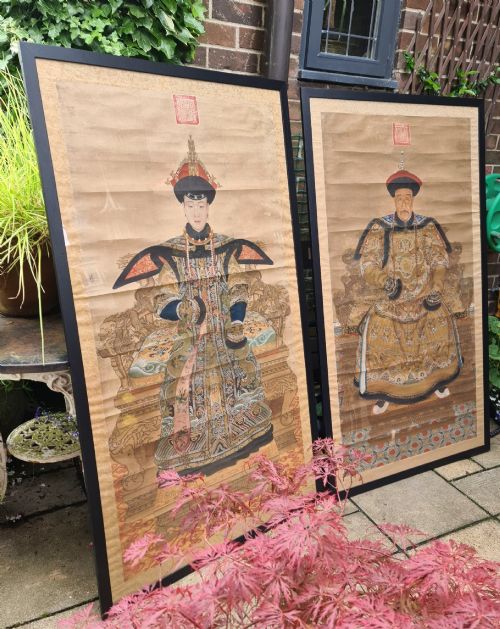
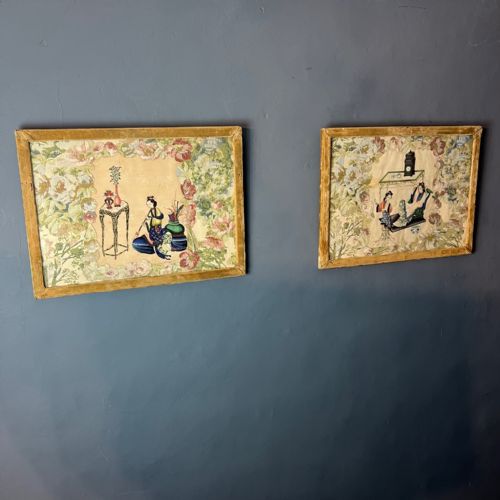
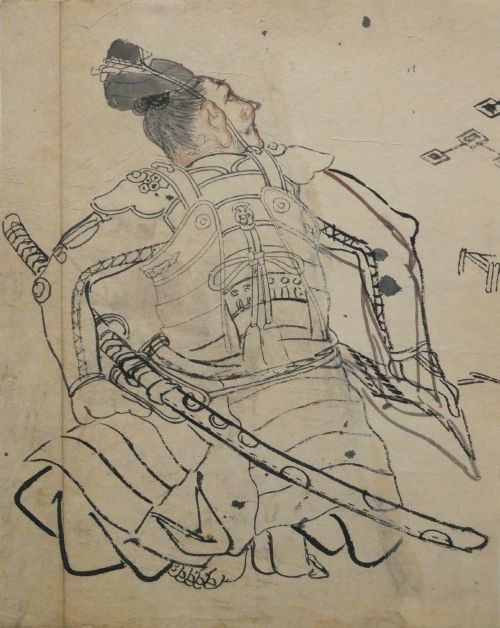
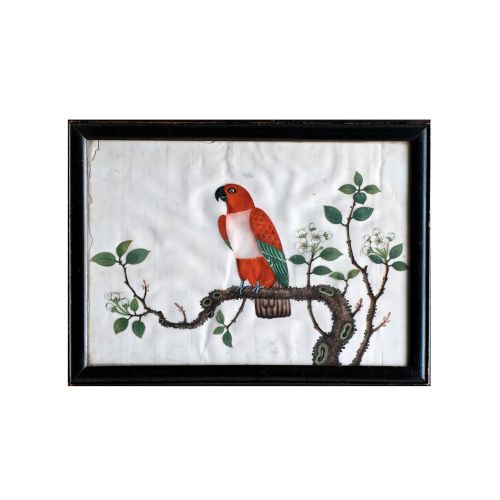
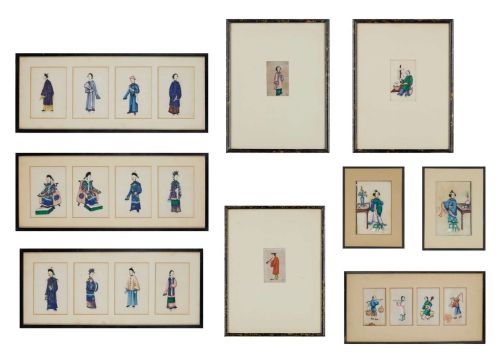
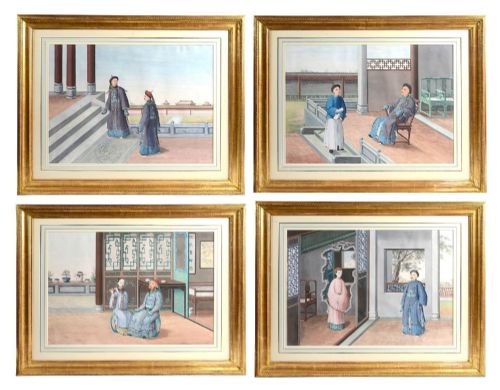
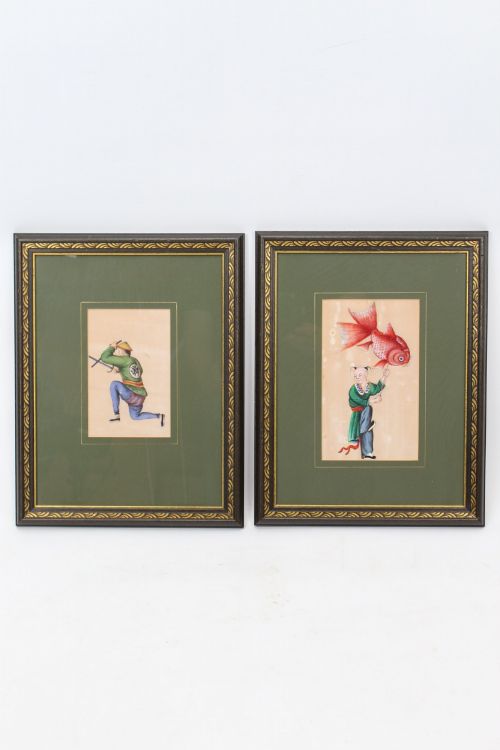
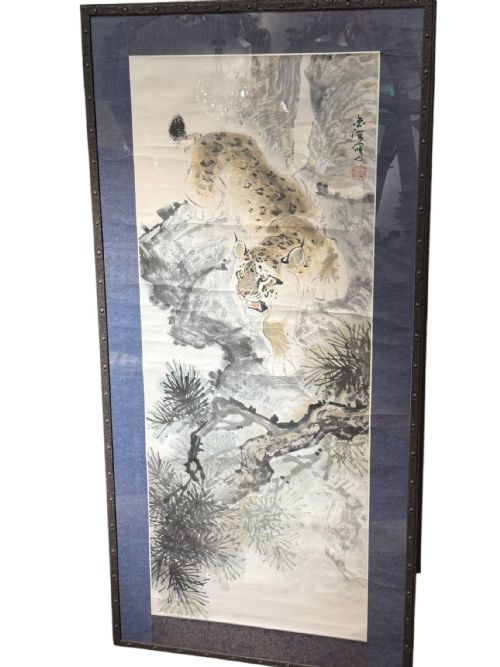
Oriental paper wall art covers framed watercolours, gouache paintings and woodblock prints originating from various Asian traditions. Buyers encounter pieces ranging from delicate Chinese pith paintings to Japanese Ukiyo-e woodblock prints and Indian miniature paintings.
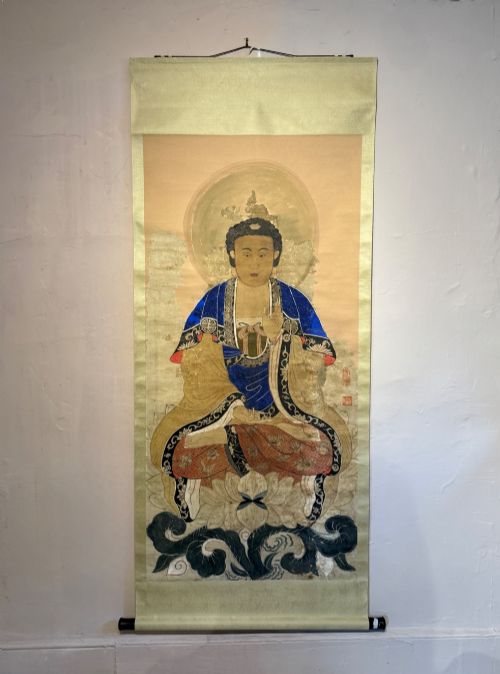
The selections span multiple eras including the eighteenth century, nineteenth century and early twentieth century. Common forms include framed scrolls, sets of watercolours and individual woodblock prints preserved behind glass in wooden frames.
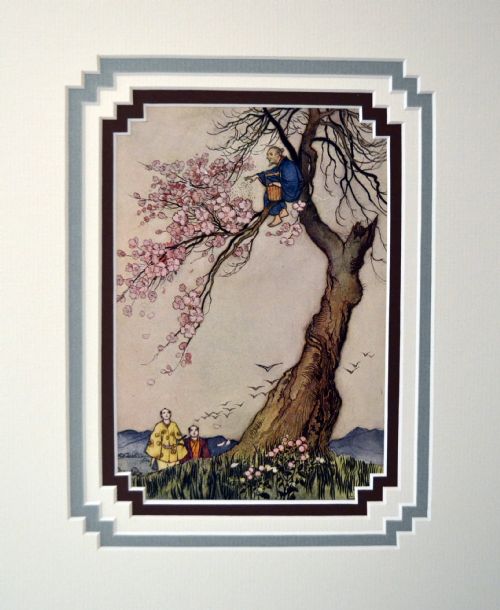
Chinese Export works and Japanese Edo or Meiji period prints dominate the visual styles present. Traditional Chinese subjects like figural scenes, butterflies and Daoist immortals appear alongside Japanese theatrical prints and fairy tale illustrations.
Quality factors
The vibrancy of the original pigments and the preservation of the delicate paper support dictate the visual impact of each piece. Fading from light exposure diminishes the intensity of nineteenth century watercolours and gouache.
Crispness of line in woodblock prints and the fineness of brushwork in pith paintings separate standard decorative items from masterworks. Original framing and the presence of early mountings also influence the integrity of historic scrolls and prints.
Oriental Paper Wall Art Retail Price Guide 2026
Typical asking prices for oriental paper wall art among the pieces listed under this phrase on Sellingantiques today, from the lower quarter to the upper quarter. They describe what is for sale here now, not the wider market.
Listings feature works created on delicate pith paper, silk and standard paper supports using traditional watercolour and gouache.
Katsukawa Shunshō·Kitagawa Utamaro·Warwick Goble·Kunisada
The Oriental Paper Wall Art Glossary
- Pith paper
- A delicate organic material made from the pith of the Tetrapanax plant, commonly used for nineteenth century Chinese watercolour painting. It has a velvet-like texture that holds pigment exceptionally well.
- Ukiyo-e
- A genre of Japanese art translating to pictures of the floating world, depicting subjects like kabuki actors and folklore. These works are typically produced as woodblock prints.
- Gouache
- An opaque water-based paint mixed with a binding agent, producing rich matte colours. It appears frequently in Chinese export and Indian miniature paintings.
- Woodblock print
- A technique where an image is carved into wood, inked and pressed onto paper. Master printers aligned multiple blocks to achieve complex multicoloured compositions.
- Scroll painting
- A traditional format designed for vertical or horizontal display, mounted on silk or paper backings. They often depict figures, landscapes or deities.
Oriental Paper Wall Art: Frequently Asked Questions
How do I care for pith paper art?
Keep pith paper works out of direct sunlight to prevent the gouache and watercolour pigments from fading over time.
Ensure they remain framed behind glass in stable indoor humidity conditions to protect the fragile organic material.
Are Japanese woodblock prints original?
Many historic woodblock prints were produced during the Edo and Meiji periods using traditional hand-carved blocks and water-based inks.
Examining the paper grain, margins and ink bleed on the reverse helps determine the period of the printing.
What subjects appear in Chinese pith paintings?
Common subjects include figural court scenes, botanical studies of butterflies and insects, and depictions of traditional deities.
These detailed compositions were frequently produced for export during the nineteenth century.
How are antique scrolls displayed?
Antique scrolls are typically mounted within protective frames to support the delicate silk and paper backings safely.
This modern framing prevents structural tearing while allowing the detailed watercolour or ink artwork to be viewed securely on a wall.