


Oriental Painted Lamp Base
An oriental painted lamp base brings depth and hand-finished colour to a room, drawing the eye with rich cultural pattern.
Oriental Painted Lamp Base
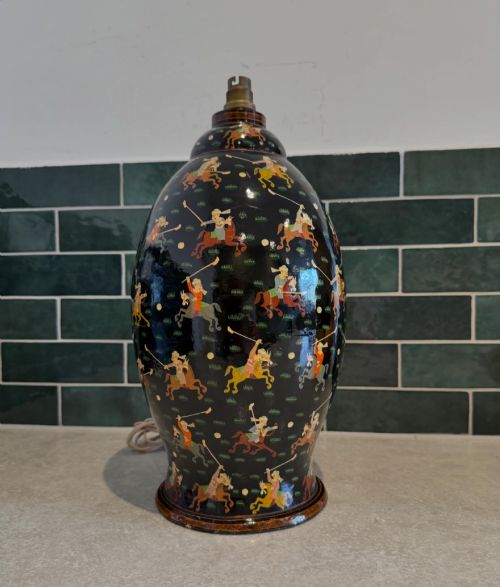
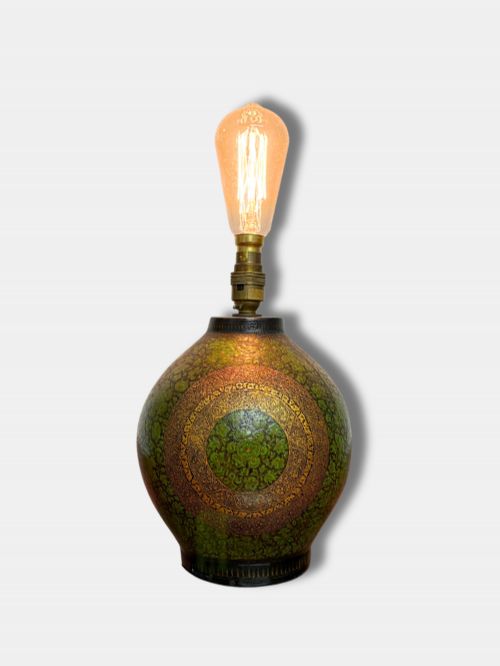
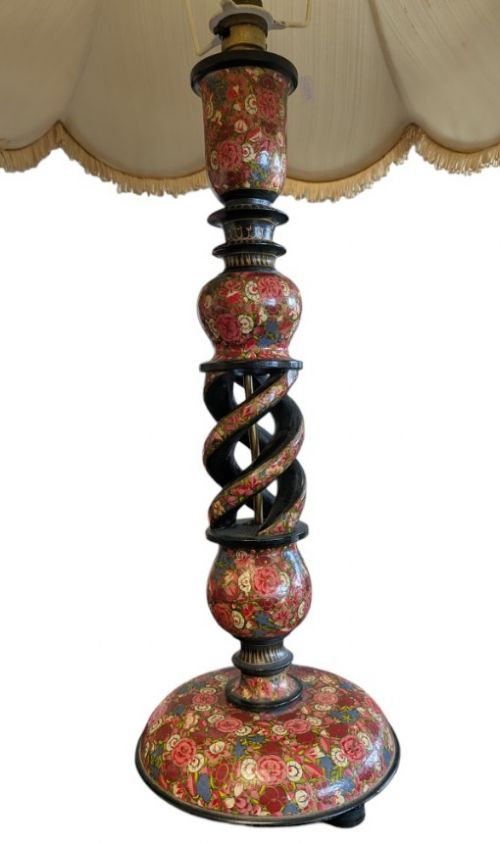
An oriental painted lamp base combines historical ceramics, lacquerwork, and papier-mache into functional lighting forms designed to anchor a scheme. These pieces emerge from diverse traditions spanning 18th-century Japanese Arita and Satsuma export wares, 19th-century Chinese ginger jars and baluster vases, and Kashmiri folk art from the early twentieth century.
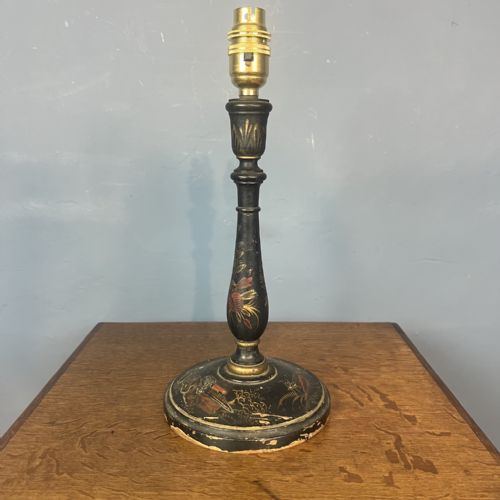
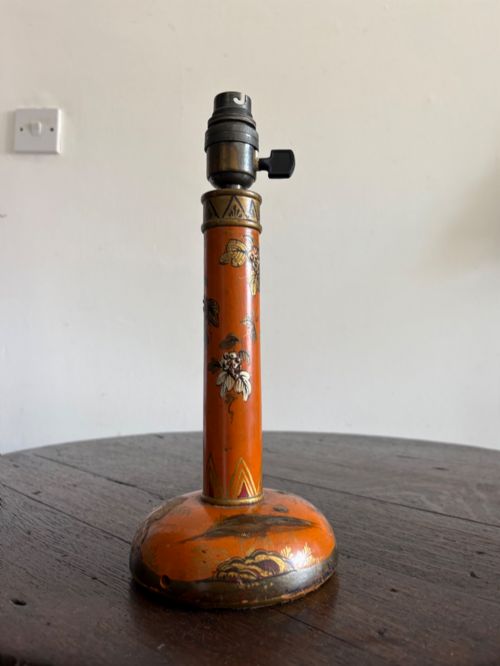
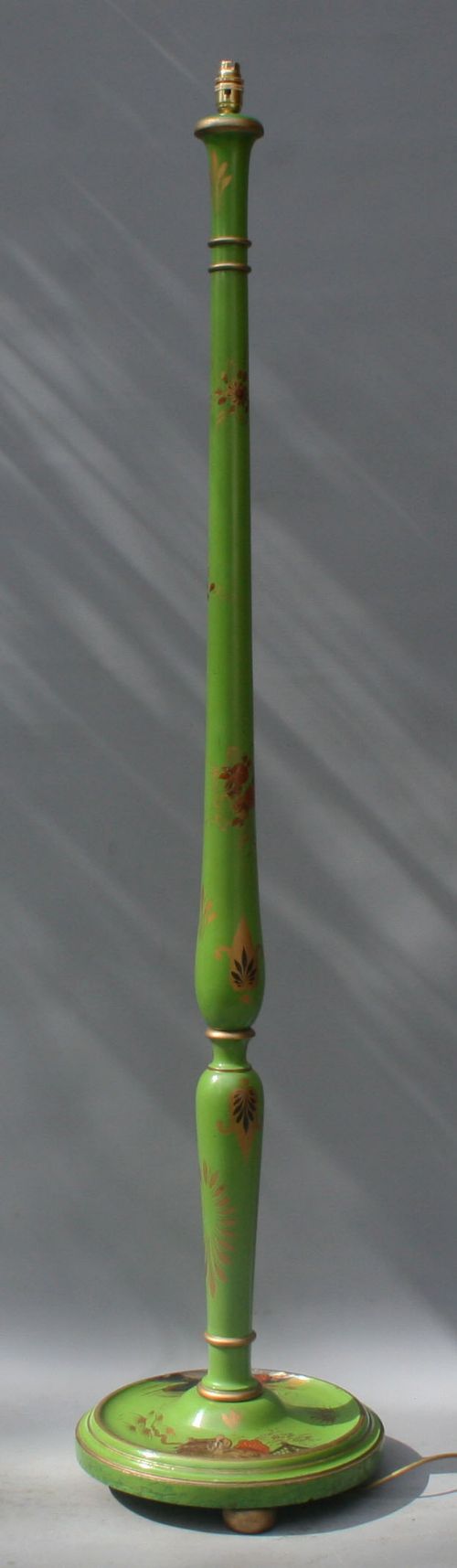
Buyers most frequently encounter table lamps and standard lamps shaped from converted porcelain vases or hand-painted lacquered wood. The selection ranges from Victorian and Edwardian chinoiserie standard lamps to compact table-height pieces fashioned from blue and white porcelain or gilt papier-mache.
Originating across periods such as the Qing Dynasty, Victorian, and Edwardian eras, these bases demonstrate how traditional vessels adapt to domestic interiors. They bridge decorative arts and practical illumination through sustained craftsmanship.
Quality factors
Quality rests in the precision of the hand-painting, the depth of the glaze, and the integrity of the underlying material. Finely rendered detail on porcelain and tightly sealed lacquer surfaces distinguish superior examples.
The harmony between the original vessel and its subsequent mounting defines overall success. Solid brass fittings and stable construction support the decorative impact of the piece.
The Oriental Painted Lamp Base Glossary
- Chinoiserie
- European interpretation and imitation of Chinese artistic traditions and motifs, popular in decorative arts during the Edwardian period and earlier.
- Famille rose
- A major palette of Chinese ceramic enamels introduced in the Qing Dynasty, characterised by opaque pink or purple colours.
- Ginger jar
- A wide-shouldered ceramic storage vessel with a domed cover, frequently converted into a table lamp base.
- Satsuma
- A type of Japanese pottery with a pale ivory crackle-glazed surface, typically decorated with elaborate polychrome and gilt designs.
- Baluster
- A tapering, vase-like architectural form with a rounded lower body and a narrower neck, commonly seen in porcelain lamp bases.
Oriental Painted Lamp Base: Frequently Asked Questions
How do I choose the right lampshade?
Match the scale of the shade to the height and bulk of the painted base. Simple silk or fabric shades complement intricate patterns without competing for attention.
Consider the room's lighting requirements and the colour palette of the hand-painted motifs when selecting shade opacity and tone.
Are these lamps safely wired?
Many antique lamp bases undergo rewiring to meet contemporary electrical standards. Check individual listings for details regarding electrical updates and fittings.
Consult a qualified electrician if you need to adapt older brass mounts or internal wiring for modern use.
How do I care for papier-mache lamps?
Dust papier-mache and lacquered wood surfaces gently with a dry, soft cloth. Avoid moisture and direct sunlight to protect the painted and gilt finish.
Keep these delicate pieces away from heat sources to prevent the lacquer from drying or cracking over time.
How do I date a porcelain vase lamp?
Examine the glaze, painting style, and base marks to determine the likely period of manufacture. Nineteenth-century and earlier pieces show distinct potting techniques and pigment applications.
Compare the style of decoration, such as Satsuma or Qing Dynasty famille rose, with documented examples from the same origin.