






Oriental Motif Vase
An oriental motif vase brings dense iconography, intricate glazes and heavy cast bronzes from distant workshops directly into British rooms.
Oriental Motif Vase
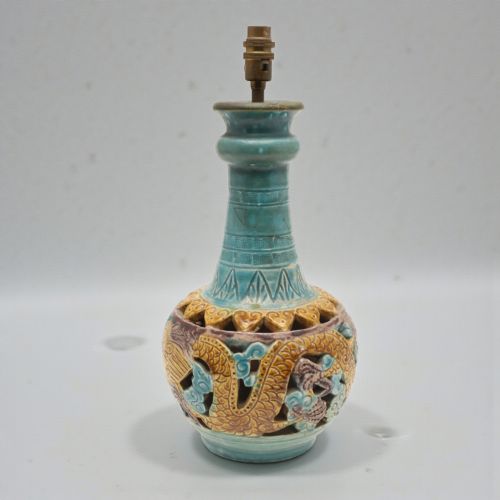
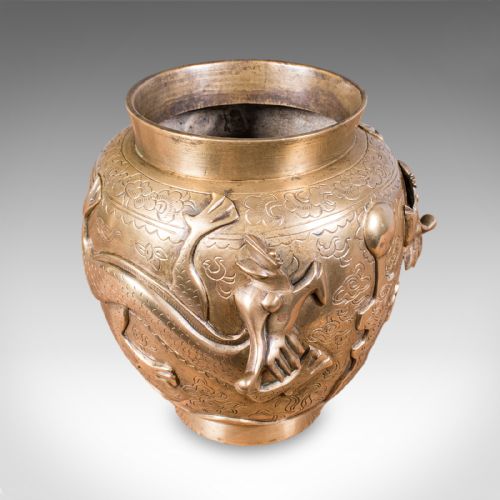
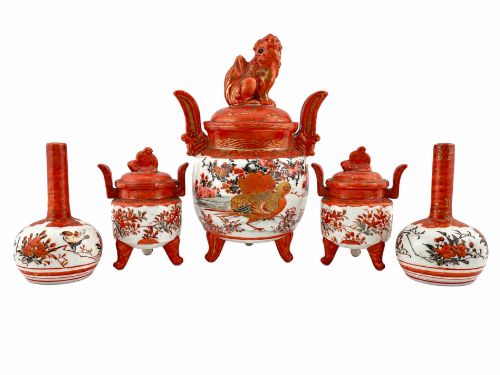
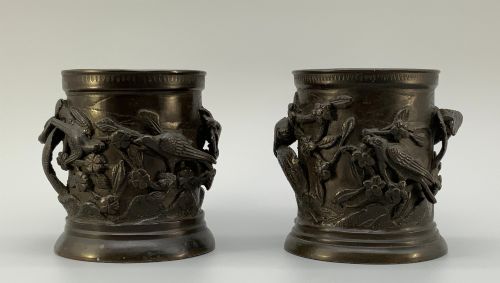
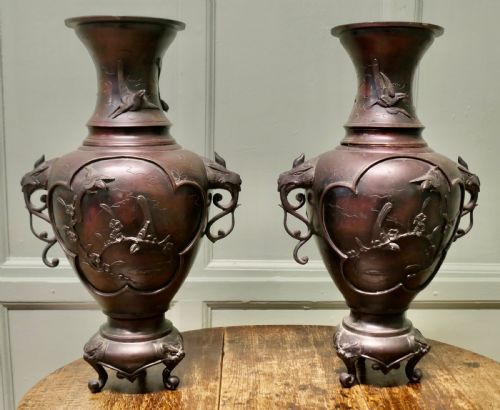
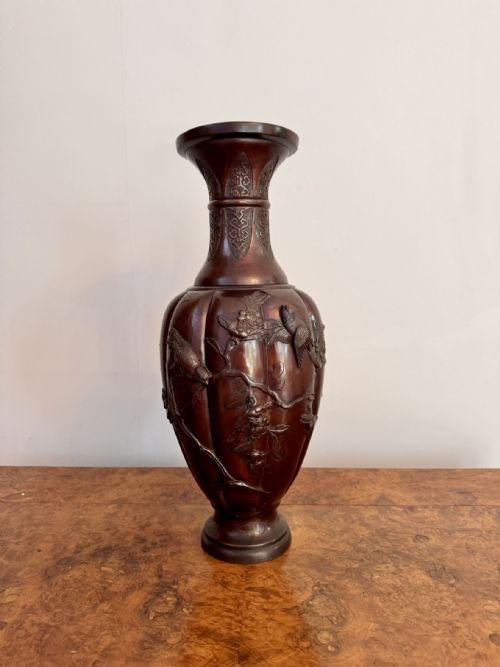
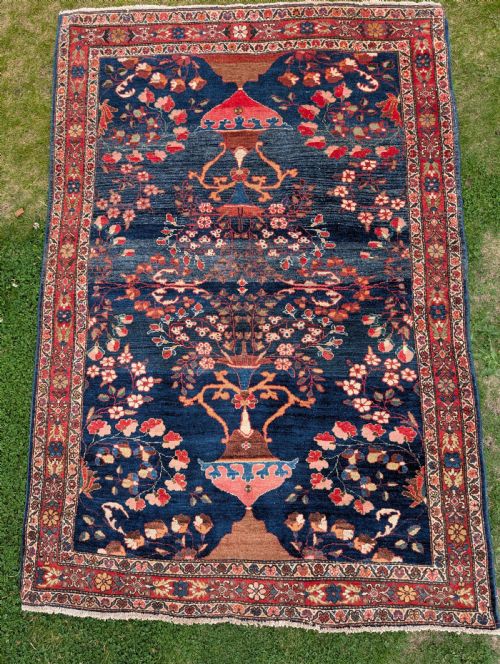
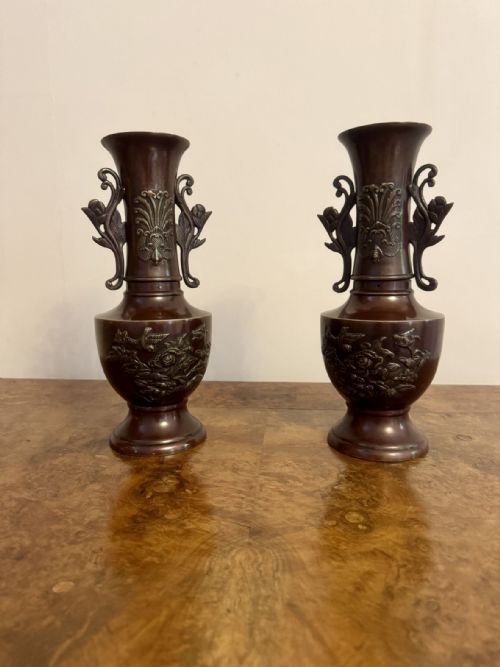
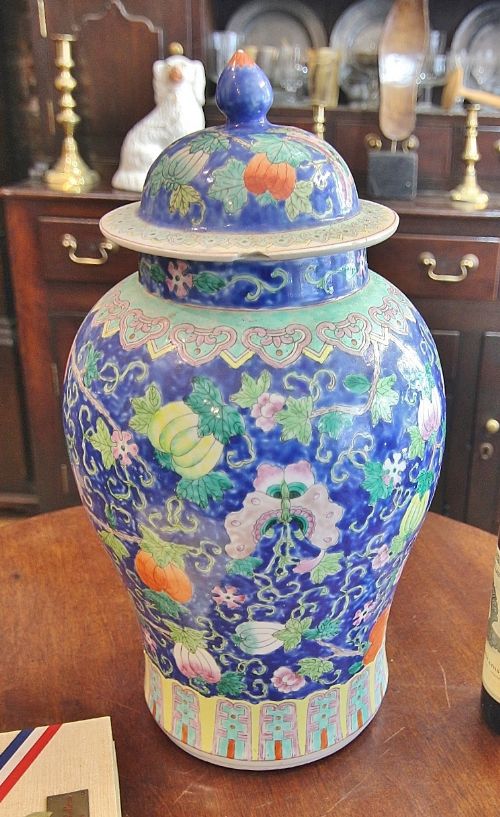
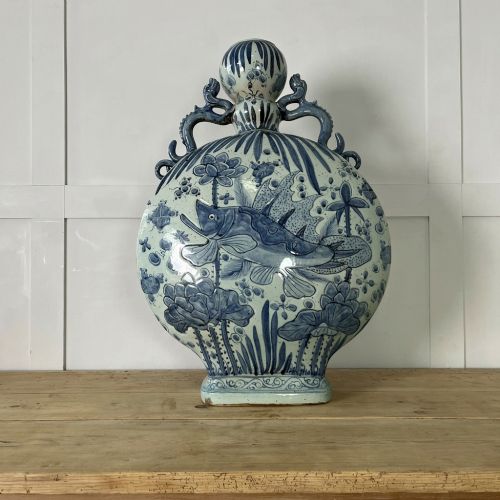
An oriental motif vase spans porcelain, ceramic and bronze forms decorated with dragons, birds, blossoms and figures. These pieces originate primarily from Chinese dynasties and the Japanese Meiji period, alongside Persian styles.
The version most commonly met on this page is the Japanese Satsuma earthenware vase or Meiji bronze vessel, often arriving in pairs with intricate hand-painted enamel or mixed metal work.
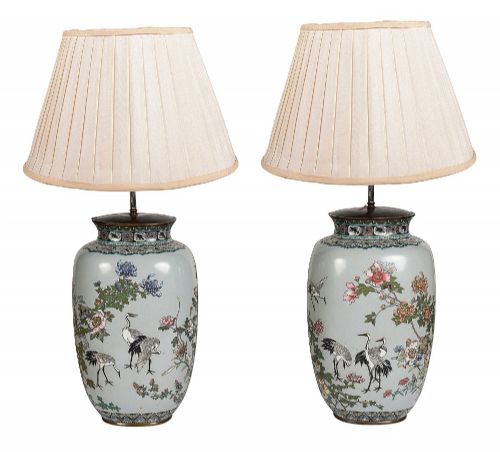
Vessels range from miniature ginger jars to monumental floor-standing pieces, including converted table lamps and tripod koro forms.
How they were made
Bronze and mixed metal vessels utilise lost-wax casting and applied patination, frequently incorporating silver and gold leaf details into the surface.
Porcelain and earthenware pieces rely on cobalt glaze, famille rose enamels, and delicate cloisonné wirework soldered to metal bodies before firing.
Surface finishing often includes lacquer over black paint or carved wood stands designed specifically to support the base of the vase.
Oriental Motif Vase Retail Price Guide 2026
Typical asking prices for oriental motif vase among the pieces listed under this phrase on Sellingantiques today, from the lower quarter to the upper quarter. They describe what is for sale here now, not the wider market.
Materials documented in these listings include gold leaf, copper, cobalt glaze, and lacquer over black paint.
What varies in quality
The precision of the hand-painted brushwork and the clarity of the enamel separation distinguish standard decorative output from master workshop production.
Bronze weight and the depth of the casting detail separate solid architectural forms from thinner, lighter production pieces.
The crispness of the firing in porcelain and the integrity of the cloisonné wire cells dictate the enduring visual strength of the object.
Kinkozan·Makuzu Kozan II·Hododa·Fukagawa
The Oriental Motif Vase Glossary
- Meiji Period
- The era in Japanese history spanning from 1868 to 1912, known for opening trade with the West and producing highly detailed bronzes and ceramics.
- Cloisonne
- A technique where thin metal wires form raised cells on a vessel body, which are then filled with enamel paste and fired.
- Satsuma
- A type of Japanese earthenware featuring a ivory-crackled glaze and dense polychrome enamel decoration often enriched with gilt.
- Famille Rose
- A Chinese porcelain palette dominated by opaque pink or rose enamel introduced during the Qing dynasty.
- Imari
- Japanese export porcelain decorated in underglaze blue and overglaze red, gold and green.
Oriental Motif Vase: Frequently Asked Questions
How do I clean an antique bronze vase?
Dust gently with a dry, soft-bristled brush to protect the original patination and any inlaid metal details. Avoid chemical polishes that strip historical surface treatments.
Keep the vessel away from direct moisture and damp environments to prevent oxidation on bronze and enamel surfaces.
Were these vases made for export?
Many pieces from the Meiji period and Qing dynasty were produced specifically for European and Western markets, adapting traditional motifs into grand decorative forms.
Export pieces frequently arrived as matched pairs or garnitures designed to sit upon nineteenth-century mantelpieces and sideboards.
How do I distinguish Satsuma from Imari porcelain?
Satsuma vessels use a distinctly crackled earthenware body painted with dense polychrome enamels and gold leaf. Imari pieces rely on a harder porcelain body decorated in iron red and underglaze blue.
Satsuma surfaces feel matte and textured, whereas Imari porcelain has a smooth, vitrified glaze.
Can I use these vases for fresh flowers?
Most antique ceramic and bronze vessels are best kept dry to protect fragile interiors, old adhesives and metal seams from water damage.
Consider using a discreet internal glass liner if you intend to display cut stems inside an antique vase.