




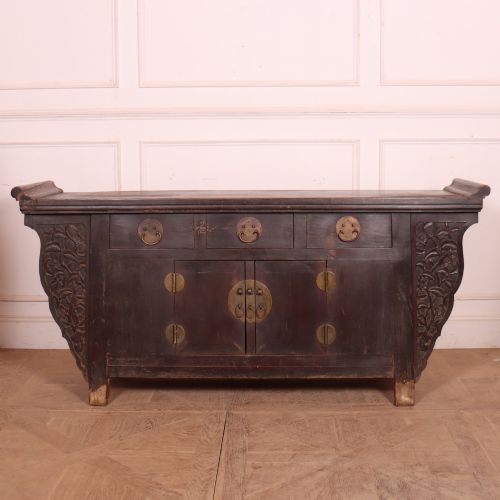
Oriental Lacquered Furniture
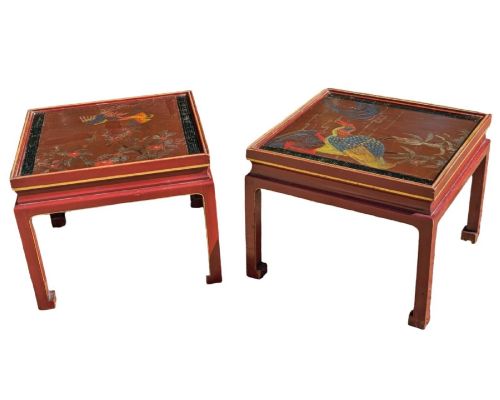
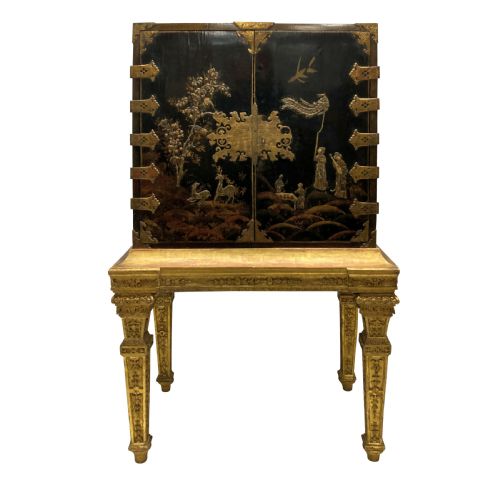
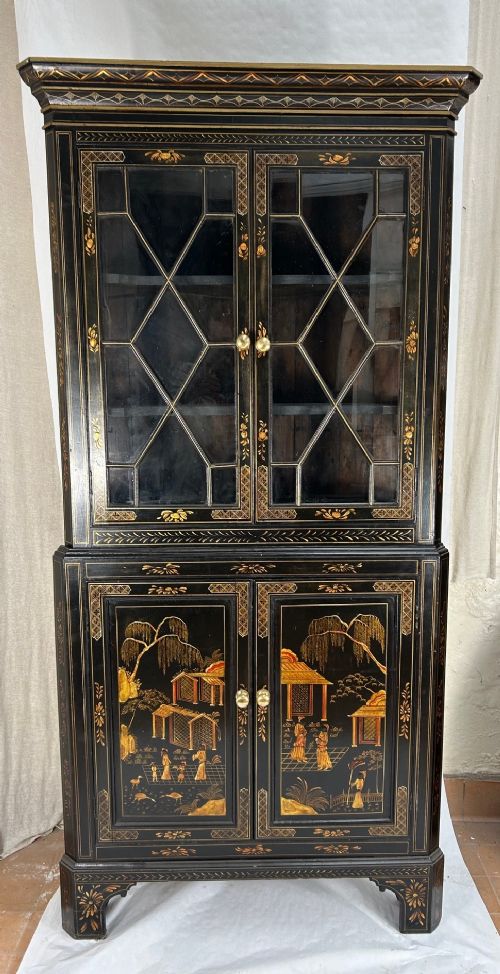
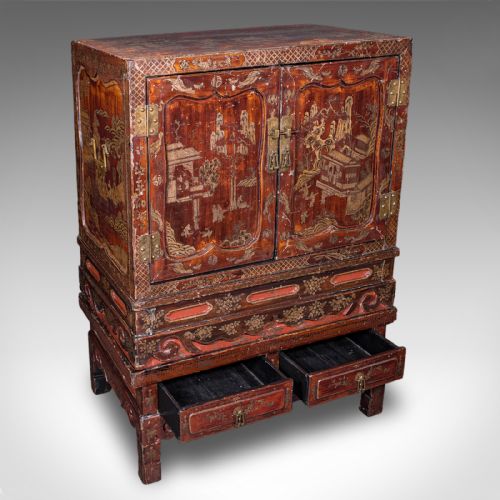
Oriental lacquered furniture brings together cabinets, tables, and seating finished in rich layers of lacquer and gold leaf.
Oriental Lacquered Furniture
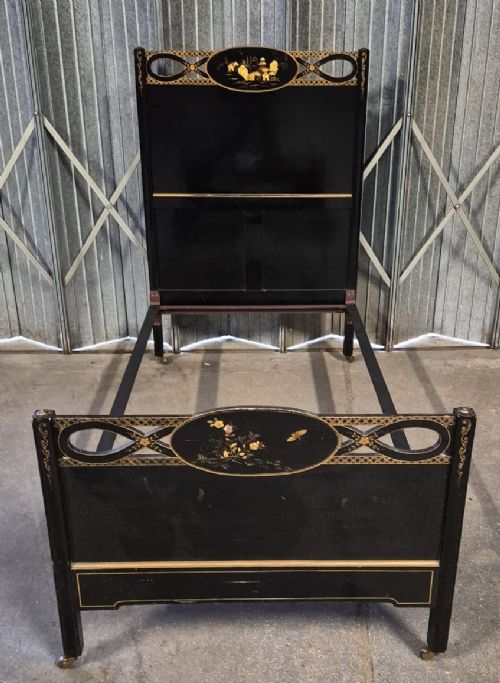
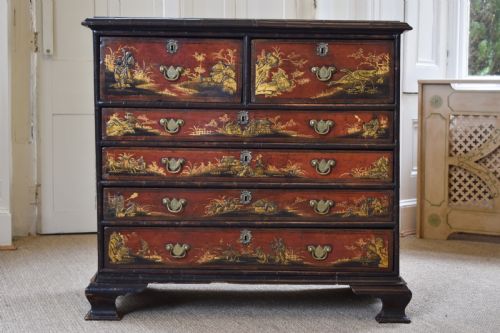
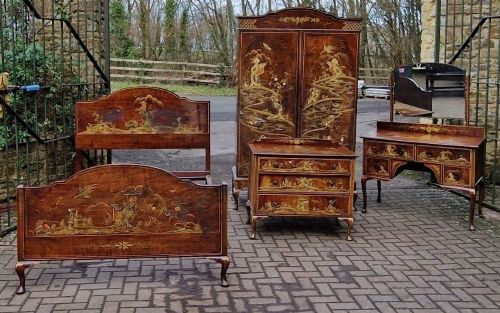
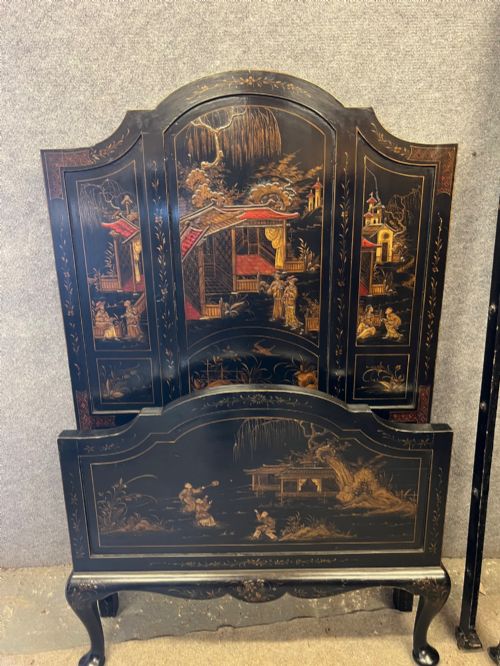
Oriental lacquered furniture encompasses a wide variety of storage pieces, tables, and seating originating from different periods and traditions. When searching for oriental lacquered furniture, buyers encounter items ranging from small occasional tables to large wedding cabinets and display pieces. The selections on this page draw from centuries of craftsmanship, including Chinese Qing Dynasty pieces, Japanese Meiji period works, and later Victorian and Edwardian interpretations.
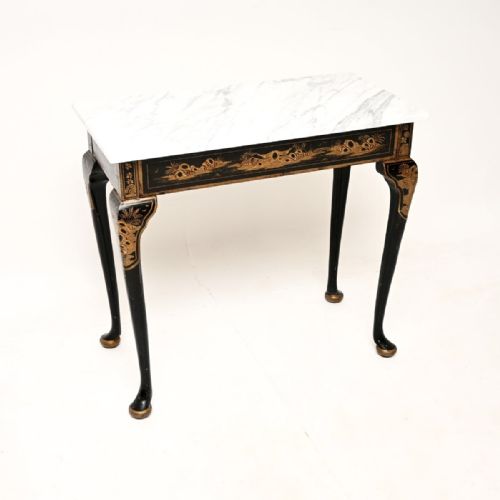
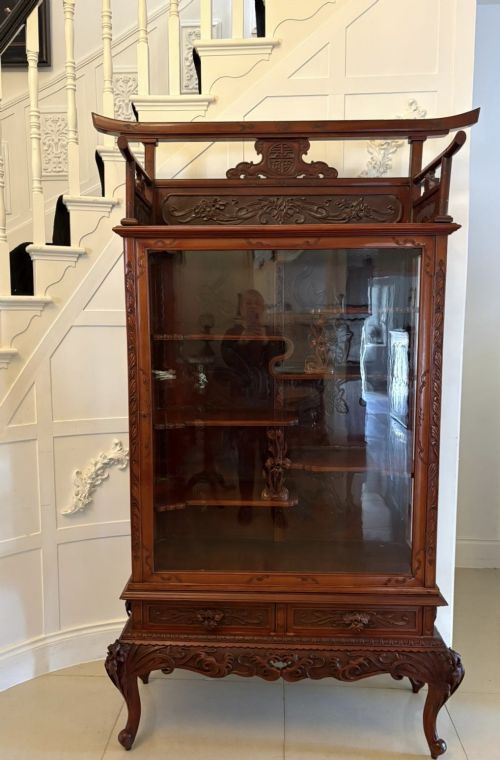
Cabinets and storage units form a substantial portion of the available pieces, alongside side tables, occasional tables, and chairs. Many examples display distinct regional styles such as Chinoiserie and Chinese export designs. These items served practical domestic functions while introducing decorative colour and surface pattern to domestic interiors.
The materials visible across these listings combine traditional wooden structures with specialised surface finishes. Elm and other hardwoods provide the structural foundation for many Chinese and Japanese forms. Lacquer, gold leaf, and brass fittings complete the construction, creating durable and visually striking items.
How oriental lacquered furniture was made
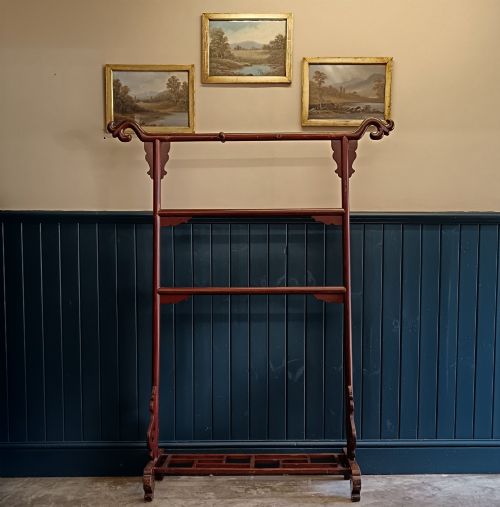
The construction of these pieces relies on solid wood frames, often utilising elm or general hardwood, joined to support heavy surface layers. Cabinet makers and joiners built sturdy carcasses for wedding cabinets, sideboards, and display units using traditional framing techniques. Bamboo also appears in specific forms like etageres and magazine racks, adding lighter structural elements.
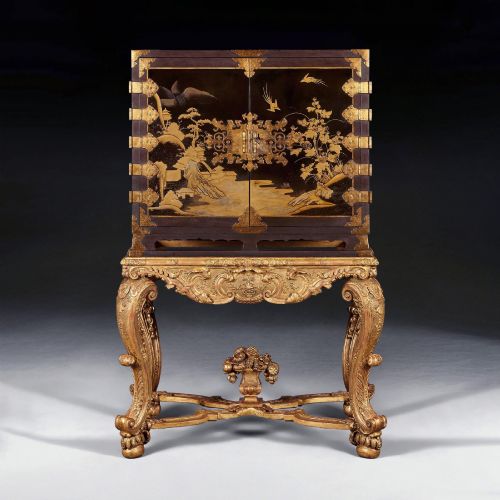
Surfaces received successive applications of lacquer, building up a protective and glossy coating that could be carved or painted. Artisans incorporated gold leaf to highlight decorative scenes, figures, and botanical motifs against black, red, or ebonised grounds. Brass hinges, lock plates, and mounts provided functional reinforcement while adding metallic contrast to the lacquered panels.
Oriental Lacquered Furniture Retail Price Guide 2026
Typical asking prices for oriental lacquered furniture among the pieces listed under this phrase on Sellingantiques today, from the lower quarter to the upper quarter. They describe what is for sale here now, not the wider market.
Listings feature 18th century and 19th century pieces alongside early 20th century items, utilising lacquer, wood, brass, hardwood, and gold leaf.
What varies in quality in oriental lacquered furniture
The integrity of the original lacquer surface distinguishes finer examples from heavily restored or later pieces. Original finishes show natural ageing and wear patterns that reveal the depth of the underlying layers. Pieces retaining their early painted details and gold leaf decorations command greater interest from collectors.
Structural joinery and the selection of underlying hardwoods also define the standard of execution. High quality items maintain stable frames and original brass hardware without excessive structural intervention. The crispness of carved details, such as those found on cinnabar lacquer seats or cabinet doors, indicates the skill of the original maker.
The Oriental Lacquered Furniture Glossary
- Chinoiserie
- European decorative style imitating Chinese artistic traditions. It appears frequently on Victorian, Edwardian, and earlier British furniture finishes.
- Meiji Period
- Japanese historical era lasting from 1868 to 1912. Items from this time often include detailed display cabinets and shodona units.
- Cinnabar Lacquer
- Technique involving numerous layers of red lacquer carved with intricate designs. This method produces deep relief patterns on panels and seating.
- Elm
- A durable hardwood commonly used in traditional Chinese cabinet making. It provides a strong structural base for lacquered finishes.
- Etagere
- A set of open shelves for displaying small objects. These structures sometimes incorporate bamboo or lacquered wood components.
Oriental Lacquered Furniture: Frequently Asked Questions
What periods do these pieces date from?
The listings span multiple centuries, ranging from seventeenth century examples up to early twentieth century productions. Victorian and Edwardian pieces sit alongside earlier Chinese Qing Dynasty and Japanese Meiji period items.
Buyers will find that dating relies on construction methods, decorative styles, and the specific type of lacquer finish applied to the wood.
How do I care for lacquered surfaces?
Lacquered furniture requires gentle maintenance to protect the delicate surface layers from damage. Keeping pieces away from direct sunlight and excessive humidity preserves the finish.
Dusting with a soft, dry cloth prevents particle buildup without scratching the gold leaf or painted decorations.
Where were these items used?
These furnishings functioned within domestic interiors as storage cabinets, seating, and display surfaces. Wedding cabinets held textiles and valuables, while apothecary chests organised medicinal herbs.
Side tables and occasional pieces served parlours and bedrooms, introducing decorative colour and practical surface area to rooms.
How do I distinguish regional styles?
Chinese and Japanese pieces exhibit distinct decorative motifs, forms, and lacquer techniques. Japanese Meiji period items often feature complex display arrangements like shodona cabinets.
Chinese pieces frequently include wedding cabinets, elm stools, and export coffers decorated with characteristic landscape or figurative scenes.