



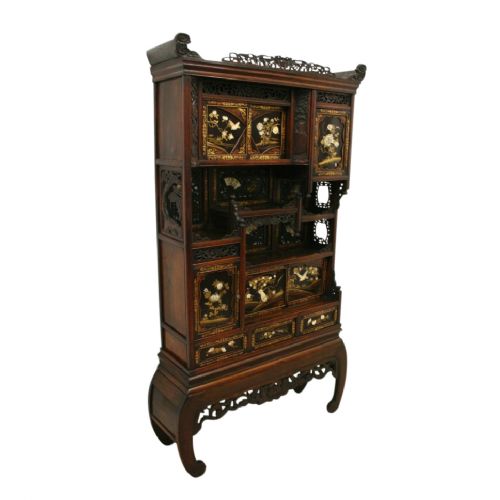


Oriental Lacquer Shelves
Oriental lacquer shelves bring deep, dark surfaces and intricate gilt detailing into a room, offering both practical display space and a strong focal point.
Oriental Lacquer Shelves
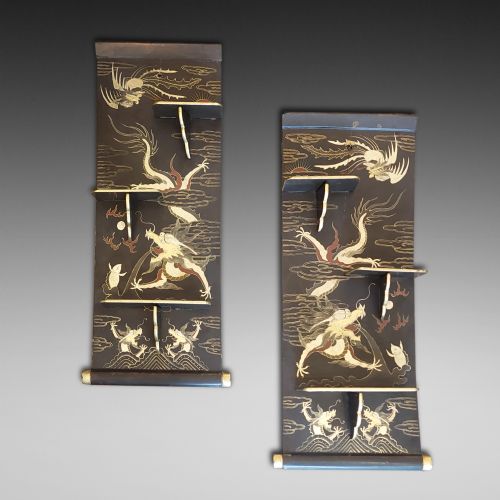
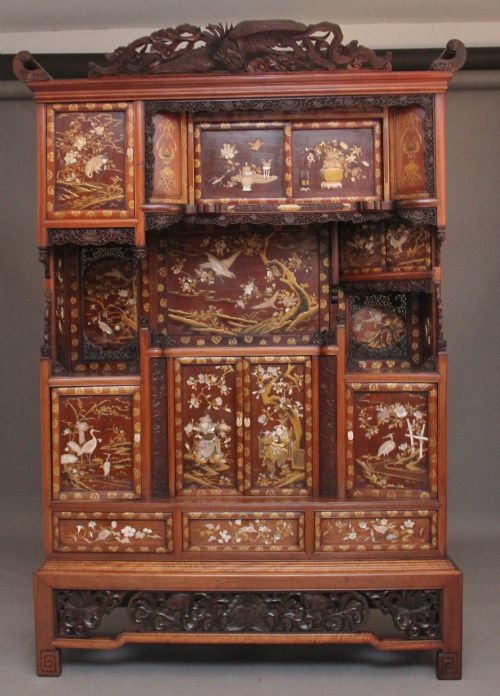
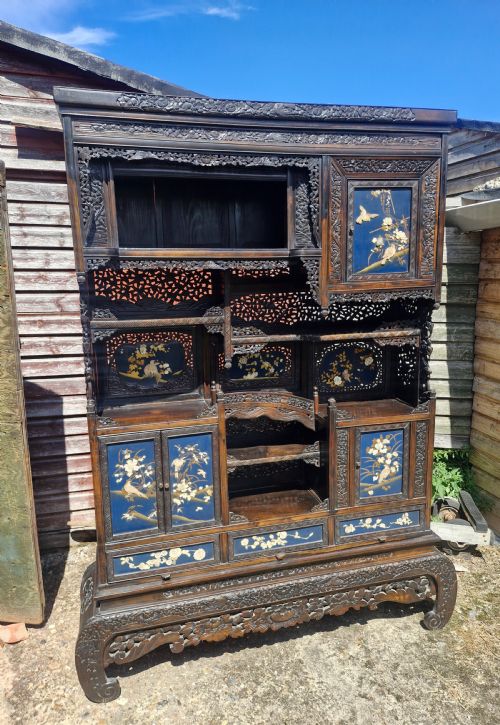
Oriental lacquer shelves and related cabinets emerge primarily from the nineteenth century, including pieces from the Meiji and Qing periods alongside later Chinoiserie interpretations. You will most frequently encounter Japanese shodana cabinets, display shelves, and associated storage furniture built during the late nineteenth century.
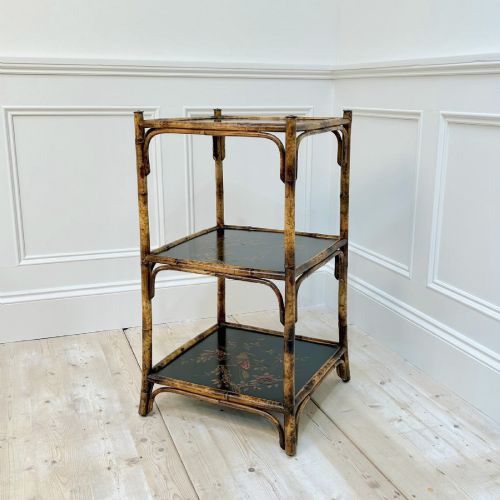
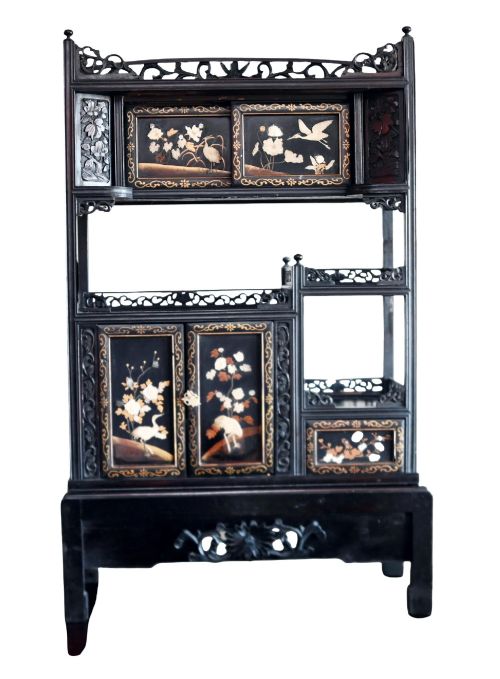
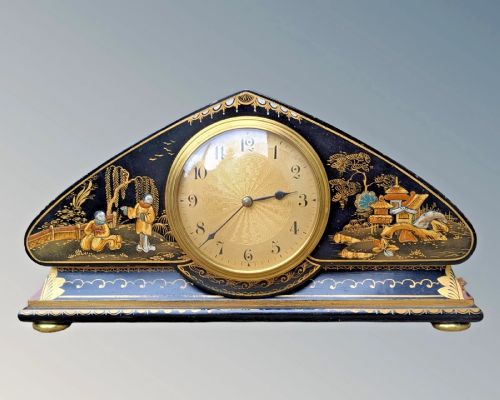
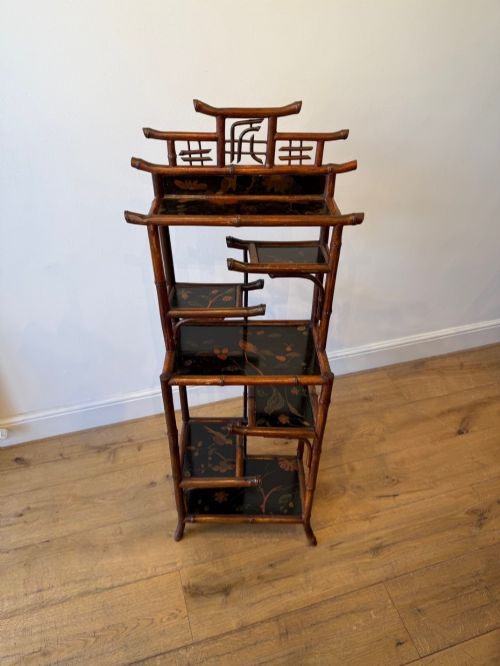
The forms range from open display shelves to intricate shodana cabinets on stands, as well as console tables and wall mirrors. These pieces serve to exhibit small decorative items while introducing rich surface decoration and distinct regional cabinetmaking forms into an interior.
How they were made
Construction relies upon solid wood and hardwood foundations, often incorporating bamboo elements to form the structural framework of shelves and cabinets. Artisans applied layers of lacquer to these wooden cores to create a durable and lustrous finish.
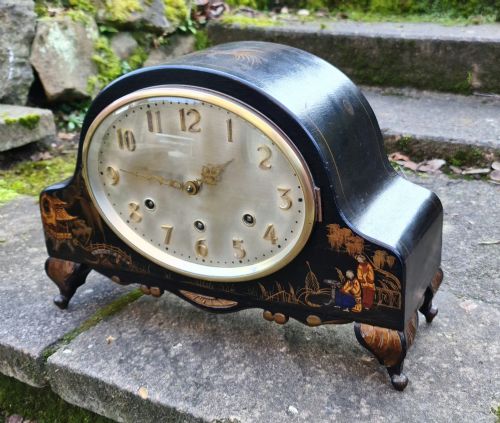
Decoration frequently includes detailed inlay work utilising mother-of-pearl, bone, and carved components. Brass fittings and glass panels appear on cabinets and clocks, adding contrasting metallic and transparent textures to the lacquered surfaces.
Oriental Lacquer Shelves Retail Price Guide 2026
Typical asking prices for oriental lacquer shelves among the pieces listed under this phrase on Sellingantiques today, from the lower quarter to the upper quarter. They describe what is for sale here now, not the wider market.
Listings span the nineteenth and twentieth centuries, incorporating materials such as hardwood, lacquer, brass, bone, and mother-of-pearl across various decorative forms.
What varies in quality
Quality reveals itself in the depth and execution of the surface finish, where carefully applied lacquer provides a smooth and even ground for pictorial elements. The crispness of carved details and the precision of inlaid mother-of-pearl or bone distinguish finer examples.
The structural complexity of the piece also dictates its standing, with multi-tiered shodana cabinets and detailed stands showing greater joinery skill than simpler forms. The integration of brass mounts and the preservation of original decorative schemes complete the assessment.
The Oriental Lacquer Shelves Glossary
- Shodana
- A traditional Japanese tiered display cabinet featuring asymmetrical shelving and cupboards. These pieces are designed for showcasing small art objects and curiosities.
- Chinoiserie
- A European artistic style reflecting Chinese and East Asian motifs, popular across various periods. It employs lacquered finishes and gilt decoration on furniture and clocks.
- Meiji Period
- The era in Japanese history spanning from eighteen sixty-eight to nineteen twelve, noted for intricate decorative arts exported globally. Cabinets from this time often display sophisticated lacquerwork.
- Qing Dynasty
- The final imperial dynasty of China, lasting until nineteen twelve, known for formal cabinetry and red lacquer finishes. Pieces from this period exhibit traditional structural forms.
- Mother-of-Pearl
- The iridescent inner layer of certain mollusk shells used for inlay work. Craftsmen cut this material into delicate shapes to adorn lacquered wooden surfaces.
Oriental Lacquer Shelves: Frequently Asked Questions
What is a shodana cabinet?
A shodana is a traditional Japanese cabinet featuring asymmetrical shelves, sliding doors, and small compartments. They were made for displaying valued possessions and curios.
These pieces combine functional storage with decorative display, showcasing the meticulous woodwork and lacquer techniques of the nineteenth century.
How do I clean lacquer furniture?
Lacquer surfaces require gentle maintenance using a soft, dry cloth to remove dust. Avoid chemical cleaners or excessive moisture which can damage the finish.
Keeping these items out of direct sunlight helps preserve the rich colours and intricate inlay work over time.
Are these pieces Chinese or Japanese?
The selection includes items from both traditions, encompassing Japanese Meiji period shodana cabinets and Chinese Qing dynasty cabinets. Each origin possesses distinct stylistic traits in its lacquer and construction.
Japanese pieces often feature asymmetrical shelving, while Chinese examples frequently display bold red lacquer or formal console table designs.
What materials are used in the decoration?
Decoration relies heavily on layered lacquer applied to hardwood or bamboo structures. Artisans also integrated carved bone and mother-of-pearl inlay to create contrasting pictorial scenes.
Brass hardware and glass elements frequently complement these decorative surfaces on cabinets and display pieces.