




Oriental Lacquer Furniture
Oriental lacquer furniture brings rich surfaces and deep history into a room, spanning periods from the seventeenth century to the early twentieth.
Oriental Lacquer Furniture
Oriental lacquer furniture encompasses a diverse selection of storage pieces, display cabinets, tables and seating created across centuries. Buyers searching for oriental lacquer furniture will encounter items ranging from large wedding cabinets and sideboards to smaller occasional tables and chairs.
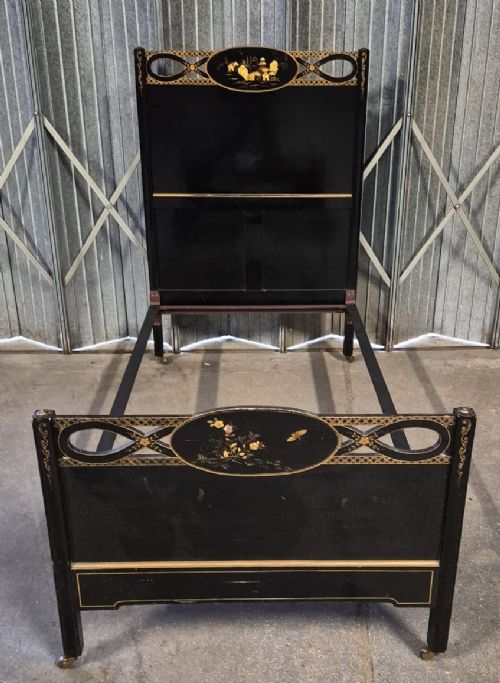
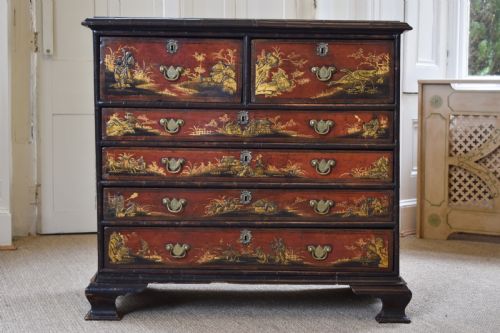
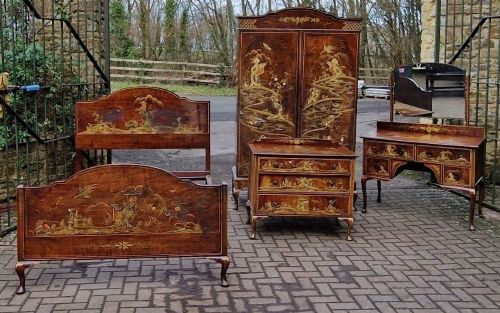
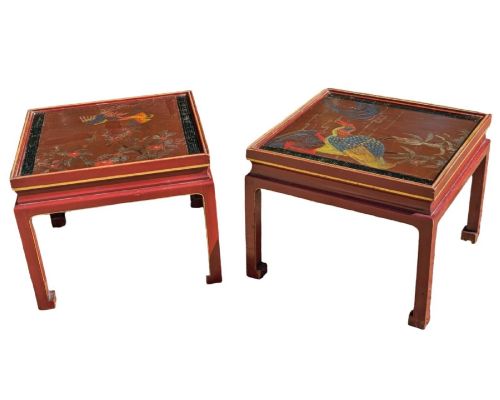
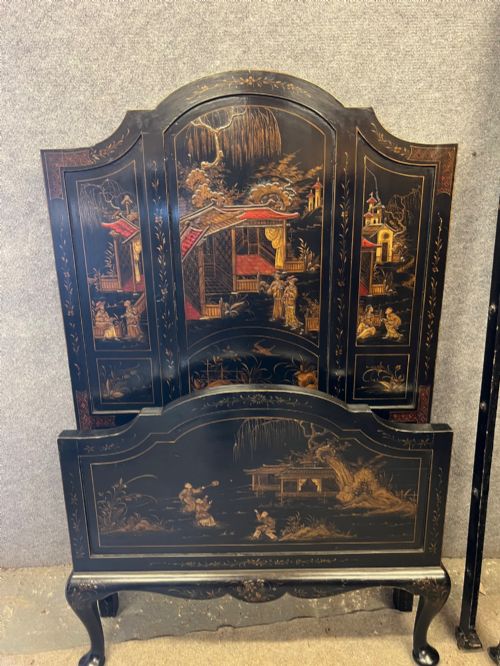
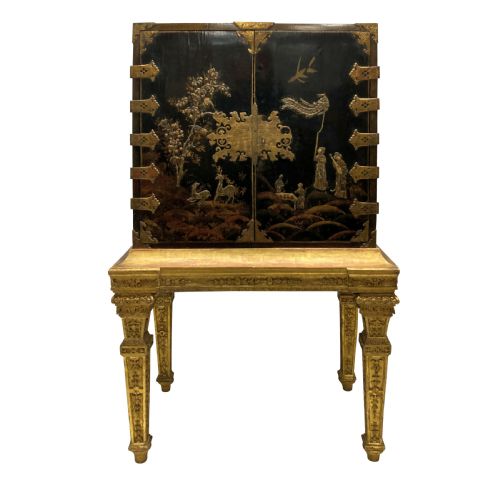
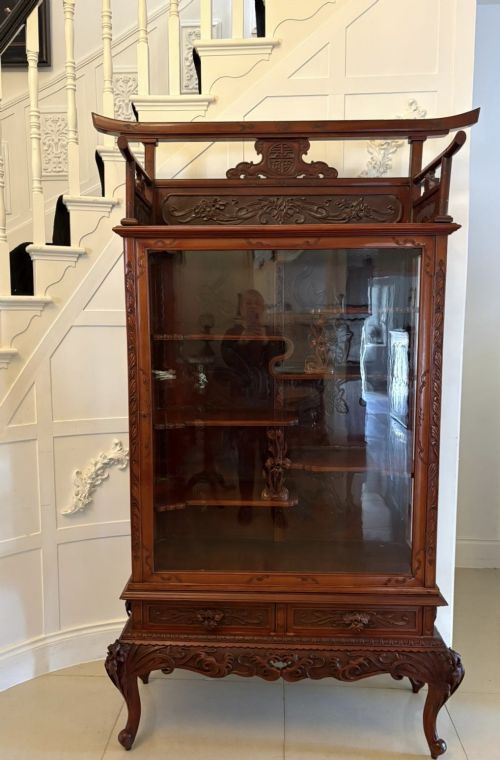
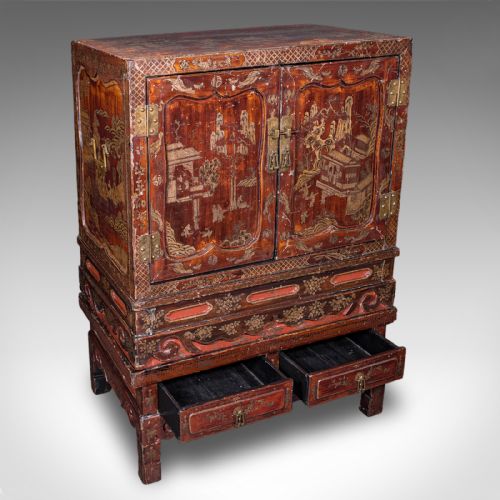
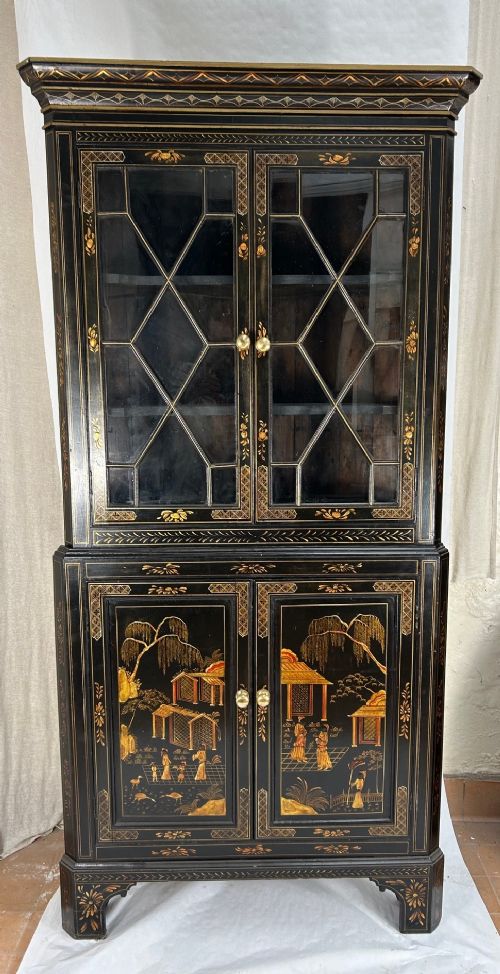
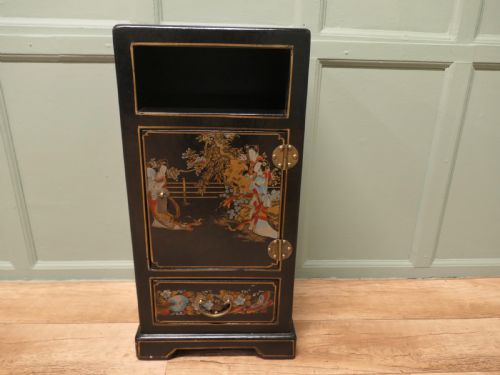
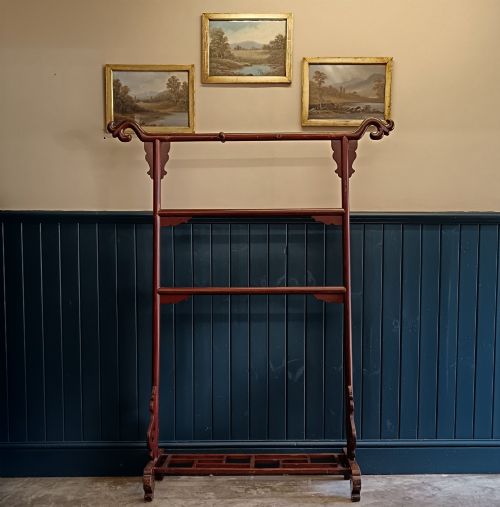
The pieces on this page draw from distinct cultural traditions, including Chinese Qing Dynasty works, Japanese Meiji period pieces, and British Chinoiserie interpretations. Examples vary from red and black lacquer wedding cabinets to elaborately decorated display stands and corner cupboards.
Forms include campaign cabinets, apothecary chests, and dressing mirrors alongside seating such as concubine chairs and benches. These objects reflect both traditional eastern craftsmanship and the enduring European taste for imported Asian aesthetics.
How they were made
Construction relies upon solid timbers such as elm, hardwood, and walnut, providing a stable structural base for the decorative surface layers. Artisans applied successive coats of lacquer to the wooden carcase, building a durable and lustrous finish.
Many surfaces feature intricate detailing executed in gold leaf, painted pigments, and applied elements like brass hardware. Japanese and Chinese workshops utilised specialised techniques to achieve deep black, red, or ebonised grounds that endure across the centuries.
Oriental Lacquer Furniture Retail Price Guide 2026
Typical asking prices for oriental lacquer furniture among the pieces listed under this phrase on Sellingantiques today, from the lower quarter to the upper quarter. They describe what is for sale here now, not the wider market.
Listings feature items from the eighteenth, nineteenth and early twentieth centuries, incorporating woods like elm, walnut, and general hardwood.
What varies in quality
Quality rests primarily in the preservation of the original surface and the depth of the lacquer finish. Pieces that retain their original pigment, gilding and hardware display a visual harmony that heavily influences the character of the object.
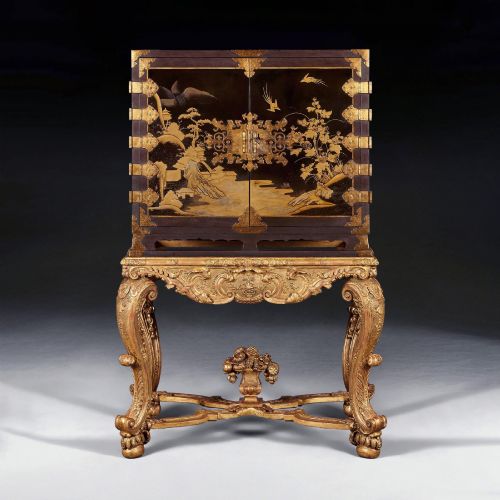
The refinement of the carving, the joinery of the underlying hardwood or elm, and the complexity of the painted Chinoiserie scenes separate standard utilitarian items from masterworks. The integration of stands, whether original or later European additions, also shifts the balance of the piece.
Maples & Co.
The Oriental Lacquer Furniture Glossary
- Chinoiserie
- European decorative style reflecting Chinese artistic influences. This aesthetic was widely interpreted by British and continental makers during the seventeenth and eighteenth centuries.
- Shodona
- A traditional Japanese multi-shelved display cabinet. These pieces typically feature asymmetrical compartments designed for exhibiting small art objects.
- Cinnabar
- A bright scarlet mineral pigment used to colour lacquer. This material yields a distinctive carved relief effect seen on certain Chinese cabinets and benches.
- Japanned
- European imitation of East Asian lacquerwork. Craftsmen applied successive coats of varnish and metallic dust to simulate oriental surfaces.
- Qing Dynasty
- The final imperial dynasty of China, spanning from the seventeenth to the early twentieth century. Many surviving red and black lacquer cabinets originate from this era.
Oriental Lacquer Furniture: Frequently Asked Questions
How do I clean oriental lacquer furniture?
Dust surfaces gently with a soft, dry cloth to prevent scratching the delicate finish. Avoid using chemical sprays, abrasive cleaners, or excess water.
Maintain stable humidity levels in the room to protect both the underlying wood and the outer lacquer layer from cracking or lifting.
Are these pieces waterproof?
Traditional oriental lacquer is remarkably durable and resistant to moisture, but antique pieces require careful handling. Spills should be blotted immediately with a soft cloth rather than wiped.
Protect the surface from hot cups or standing water by using coasters and mats during daily use.
How do I distinguish Chinese from Japanese pieces?
Chinese pieces often feature deep red and black finishes, wedding cabinets, and carved cinnabar motifs associated with the Qing Dynasty. Japanese examples frequently include Meiji period shodona display cabinets and distinctive pictorial brass fittings.
Examine the construction timbers and stylistic conventions to help identify the likely origin of the work.
Can I use these cabinets for everyday storage?
Many of these items, such as wedding cabinets, sideboards and cupboards, offer practical internal space for modern living. Ensure shelves are not overloaded and handle doors or drawers with care.
Position pieces away from direct sunlight and heat sources to preserve the original finish over time.