



Oriental Jade Stone Carving
An oriental jade stone carving brings centuries of carver skill and natural mineral depth straight into a room.
Oriental Jade Stone Carving
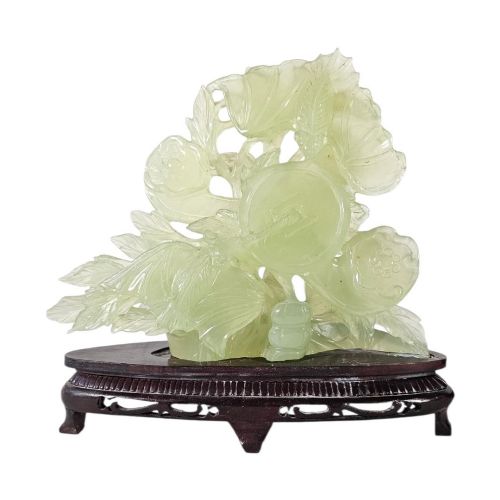
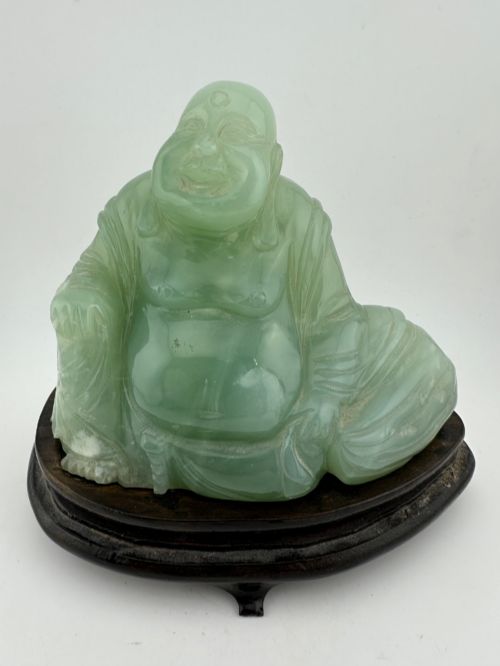
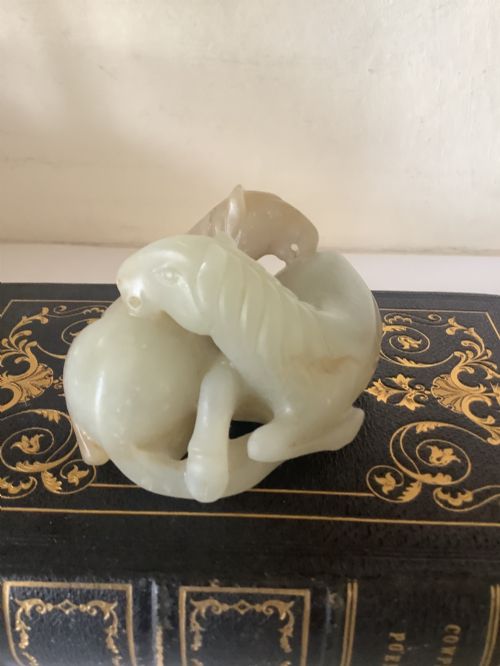
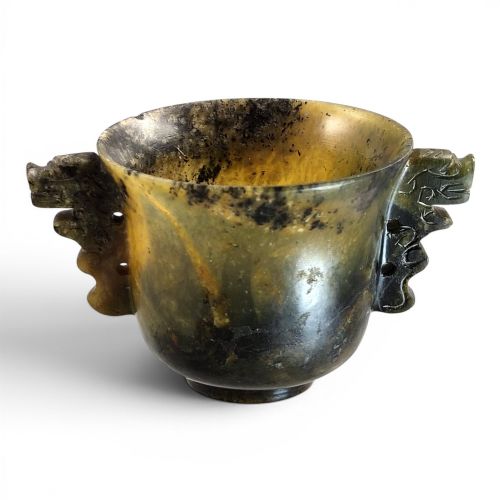
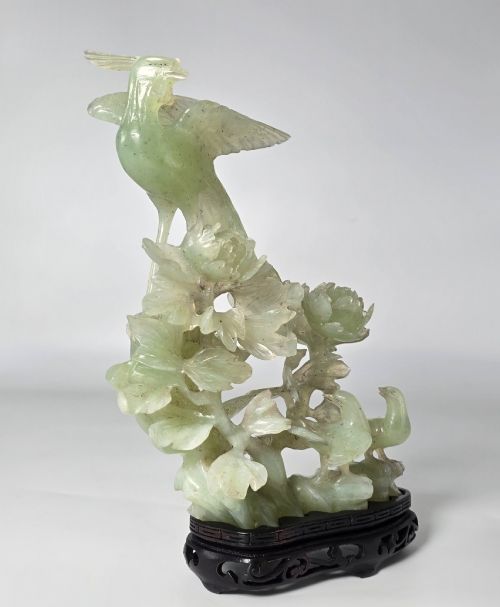
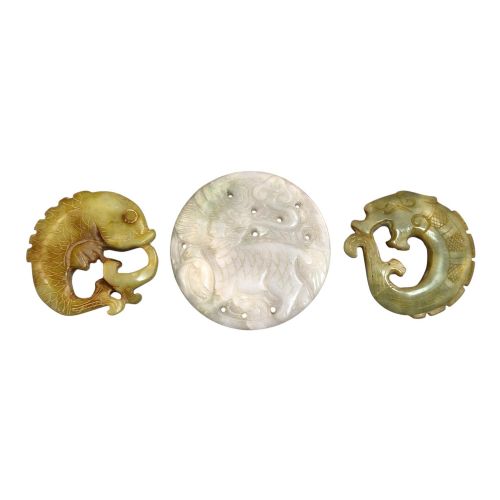
Every oriental jade stone carving encountered on this page represents traditional Chinese artistry across periods from the Victorian era through the mid-twentieth century. Buyers searching this phrase meet everything from small amulets and bangles to substantial figures, landscape sculptures, and animal groups.
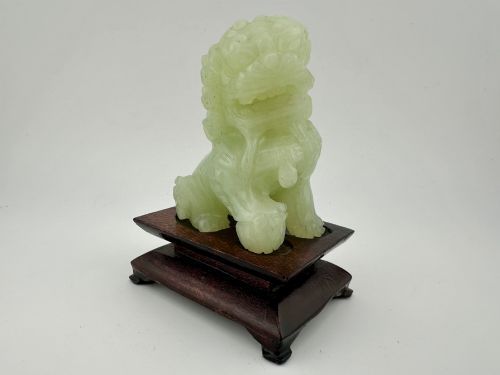
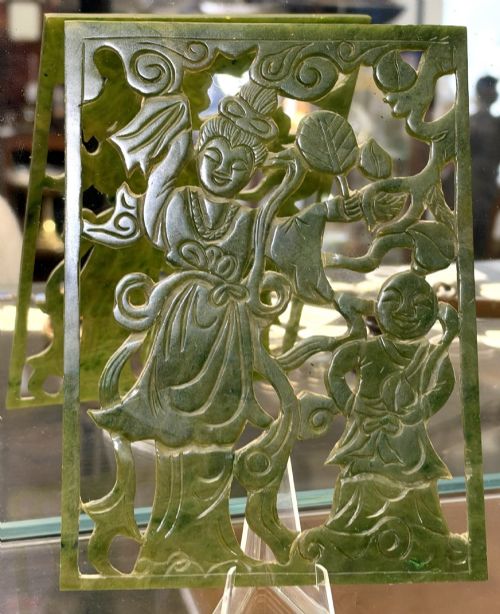
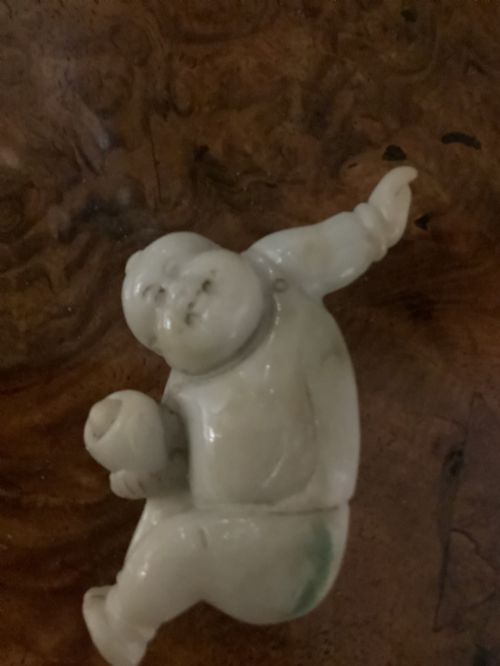
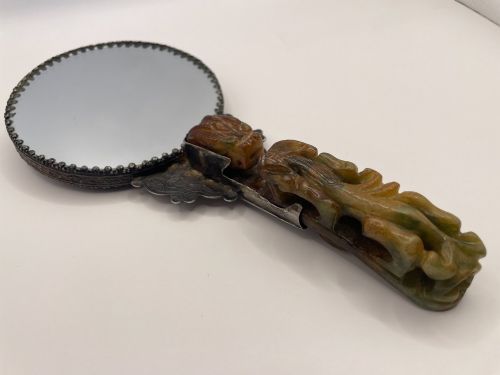
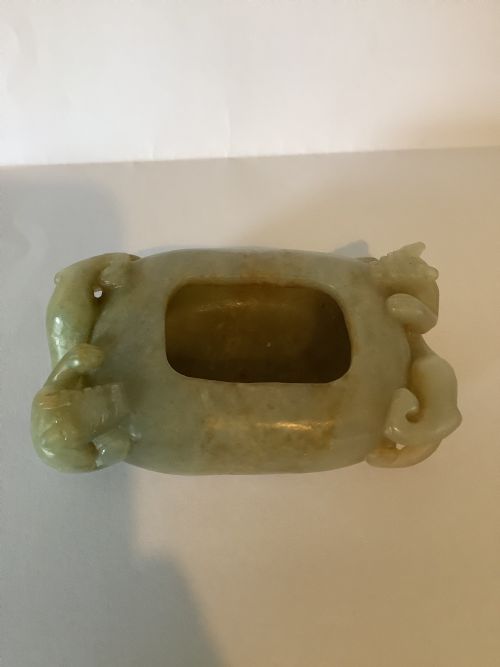
The selections span functional items like brush washers and hand mirrors alongside purely decorative plaques, figures of Buddha, guardian lions, and miniature fish or roosters. Many pieces retain their original carved hardwood stands, framing the work directly.
Origins stretch from Qing Dynasty traditions into Republic Period production and early twentieth-century interpretations, showing how carvers adapted historical motifs for domestic and export markets alike.
Materials and Techniques
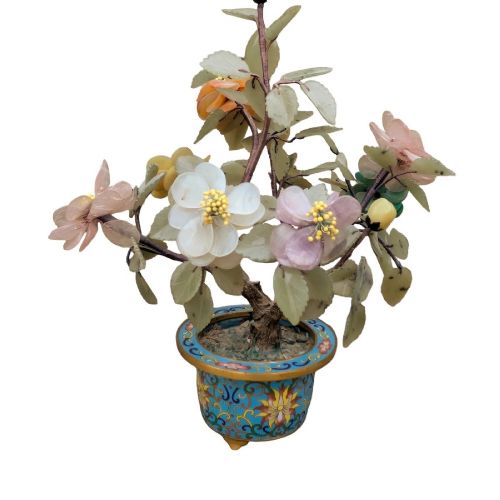
Carvers worked primary materials including nephrite jade, jadeite, and related hardstones such as serpentine, quartz, and marble, often pairing the mineral with carved hardwood stands. Selected pieces also incorporate cloisonne enamel elements within larger compositions like bonsai jardiniere arrangements.
Production relied on patient abrasive grinding, drilling, and polishing rather than rapid cutting, allowing artisans to navigate the natural inclusions, pale green tones, and russet patches inherent to the stone.
Oriental Jade Stone Carving Retail Price Guide 2026
Typical asking prices for oriental jade stone carving among the pieces listed under this phrase on Sellingantiques today, from the lower quarter to the upper quarter. They describe what is for sale here now, not the wider market.
Materials documented across the inventory include nephrite jade, jadeite, serpentine, quartz, and cloisonne enamel.
Judging Quality and Execution
The distinction between ordinary and superior pieces rests entirely on the sensitivity of the carving and the quality of the raw stone. Fine examples demonstrate crisp undercutting, balanced proportions, and a thoughtful response to natural colour variations within the mineral.
Execution in details such as facial expressions on figures, the piercing of intricate plaques, and the smoothness of the final polish separates standard decorative objects from masterworks of the carver's art.
The Oriental Jade Stone Carving Glossary
- Jadeite
- A pyroxene mineral prized for its bright green colour and crystalline structure. It forms one of the two distinct mineral species classified as jade.
- Nephrite
- An amphibole silicate mineral known for its tough, fibrous texture and range of pale green, white, and russet tones. Historical Chinese carvings rely heavily on this dense material.
- Bi Disc
- A flat circular jade disc with a circular hole in the centre. Ancient examples carried ritual significance, while later pieces continued the traditional form.
- Foo Dog
- A traditional guardian lion sculpture placed to protect a space. These mythical beasts appear frequently in hardstone carvings and bookends.
Oriental Jade Stone Carving: Frequently Asked Questions
How do I date an oriental jade stone carving?
Dating relies on stylistic clues, tool marks, and the specific characteristics of the material used. Pieces often align with Qing Dynasty traditions or later Republic Period aesthetics.
Examining the complexity of the subject matter and any accompanying wooden stands helps narrow the period of creation.
What is the difference between jade and hardstone?
True jade specifically encompasses nephrite and jadeite minerals. The broader category of hardstone includes related durable minerals like serpentine, quartz, and marble.
Carvers applied similar abrasive techniques to all these materials, leading dealers to group them together under related headings.
How should I display a jade carving at home?
Many carvings come with fitted wooden stands designed to support their specific contours. Placing them near natural light allows the translucent qualities of the stone to emerge.
Keep pieces away from direct heat sources and sudden temperature changes to protect the integrity of the mineral.
What subjects are most common in these carvings?
Common subjects include mythical creatures like guardian lions, Qilin, and dragons, alongside figures of Buddha, deities, and small animals. Floral motifs, landscape boulders, and auspicious symbols also appear frequently.
Each subject carries traditional cultural meanings rooted in long-standing decorative arts.