


Antique Chinese Jade Ornament
These antique chinese jade ornaments span centuries of carving traditions, offering tangible links to Qing Dynasty craftsmanship.
Antique Chinese Jade Ornament
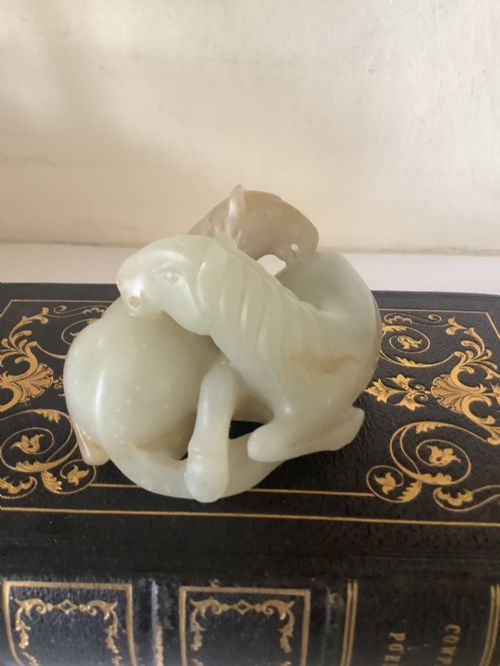
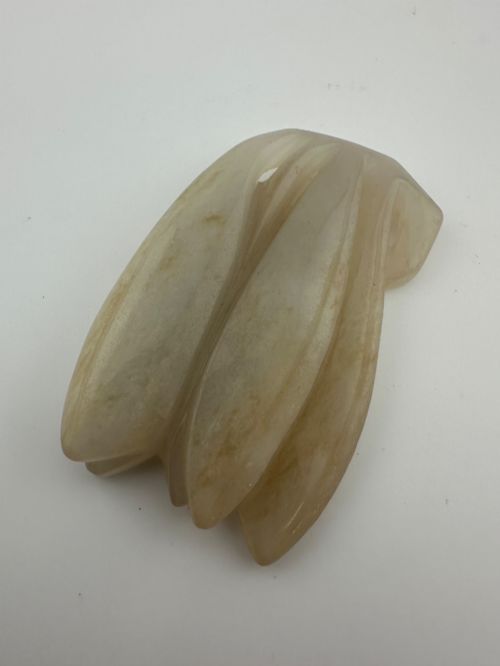
An antique chinese jade ornament encompasses a diverse range of forms, from small pendants and miniatures to substantial mountain landscape sculptures and scholar's desk accessories. Buyers searching this phrase most commonly encounter carvings originating from the 18th and 19th centuries, alongside pieces from the Chinese Republic Period.
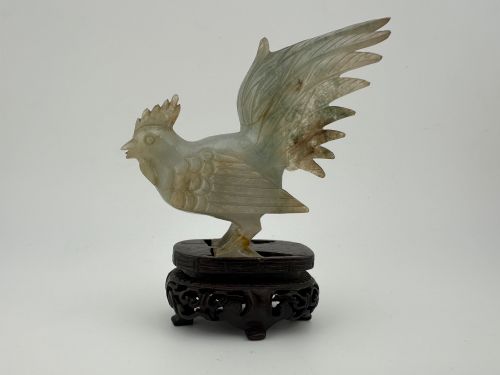
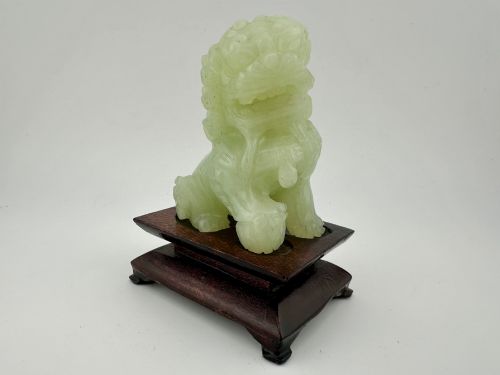
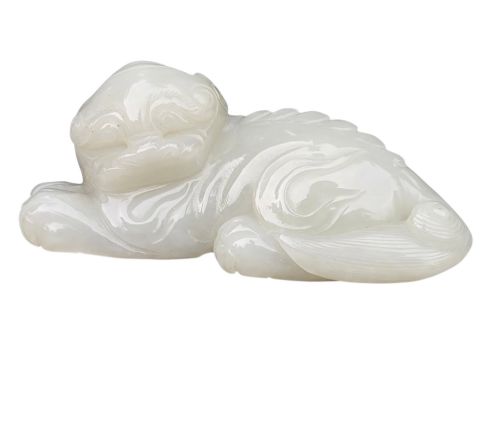
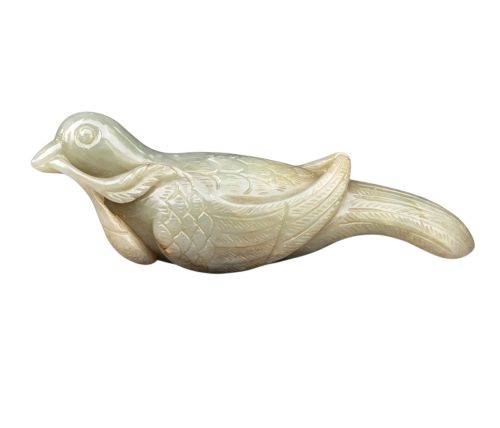
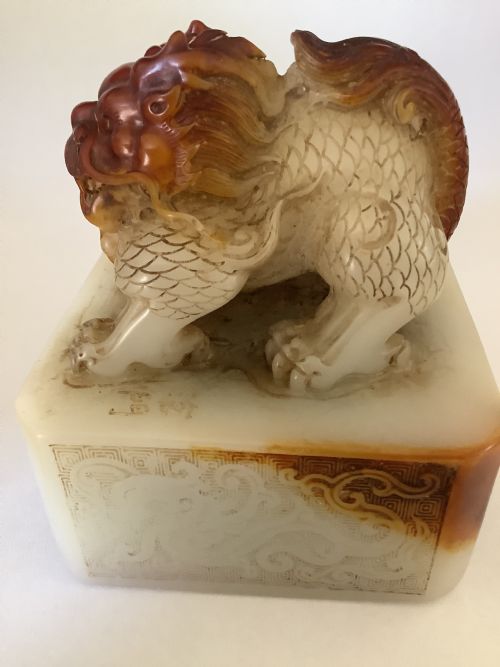
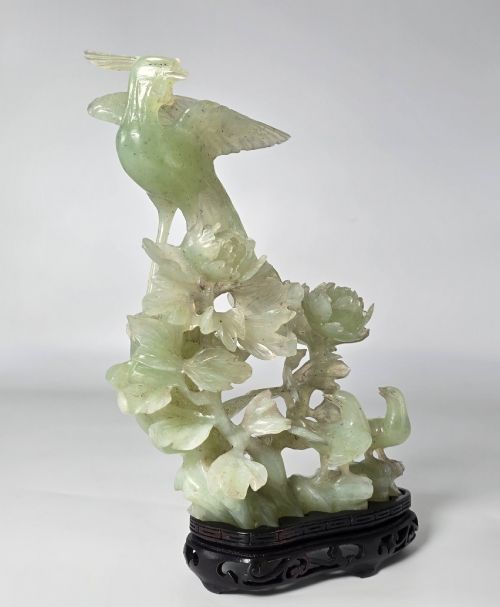
The selection includes functional items like belt buckles, magnifying glasses, and brush washers, as well as purely decorative carvings depicting mythical beasts, water birds, dragons, and human figures. These objects reflect traditional Chinese iconography and utility, often mounted on bespoke hardwood stands.
Materials span from pale celadon and white jade to jadeite, nephrite, and hardstones of the jade family, frequently accompanied by silver mounts. Pieces bridge the late Qing Dynasty through to the early decades of the twentieth century, capturing distinct stylistic evolutions across these periods.
Factors that separate the finest pieces
The degree of carving intricacy and depth of relief define the artistic merit of each sculpture, separating simple miniatures from deeply undercut double-sided dragon plaques and landscape scenes. Mastery of form is evident in how well the carver respects the natural contours and tonal variations of the raw stone.
Purity of material and subtlety of colour, ranging from uniform white and pale celadon to contrasting russet inclusions, heavily influence the desirability of the piece. The integration of stone qualities with the subject matter - such as utilising natural russet patches for specific design elements - marks superior execution.
A small boy holds a bird's nest containing an egg, frozen in jade for over a century.
The Antique Chinese Jade Ornament Glossary
- Celadon jade
- A pale green to grey-green jade variety highly prized in traditional Chinese carving. It often displays subtle translucent qualities that enhance the depth of carved motifs.
- Nephrite
- One of the two distinct mineral species classified as jade, known for its interlocking fibrous structure and immense toughness. This material forms the base of many historical Chinese carvings.
- Jadeite
- A pyroxene mineral and the second primary type of jade, typically exhibiting a brighter crystalline appearance. It gains prominence in later pieces such as Republic Period pendants.
- Qing Dynasty
- The final imperial dynasty of China, lasting from sixteen forty-four to nineteen twelve. This era produced the vast majority of traditional jade carvings seen in historical collections.
- Pixiu
- A mythical winged celestial creature frequently depicted in Chinese art and jade carvings. It is traditionally believed to bring good fortune and wealth to its owner.
Antique Chinese Jade Ornament: Frequently Asked Questions
What is a brush washer?
A brush washer is a vessel designed for cleaning ink brushes used in traditional calligraphy and painting. These scholar's objects were often carved from jade to reflect the refinement of their owner.
Such items sat upon scholar's desks alongside other accessories like water droppers and miniature sculptures, serving both a practical function and a decorative purpose.
How do I identify a Qing Dynasty piece?
Qing Dynasty carvings are typically identified through stylistic markers, specific iconography, and the character of the jade work. Artisans of this era often utilised pale celadon or white nephrite, carving intricate motifs with deep undercutting.
Context is provided by the specific form and subject matter, such as mythical beasts or scholarly motifs, which align with historical production standards of the eighteenth and nineteenth centuries.
What is the Republic Period?
The Chinese Republic Period spans from nineteen twelve to nineteen forty-nine, following the collapse of the Qing Dynasty. Carvings from this era often maintain traditional motifs while reflecting changing production methods and styles.
Pieces from the nineteen twenties and nineteen thirties, including specific pendants and decorative items, demonstrate a continuation of master carver techniques into the twentieth century.
How should I display jade ornaments?
Jade ornaments are best displayed on stable surfaces away from direct sunlight and extreme temperature fluctuations. Many sculptural pieces and landscape carvings are accompanied by custom hardwood stands designed to support their specific shape.
Handling should be minimised, using clean hands to prevent natural skin oils from accumulating on the polished surface of the nephrite or jadeite over time.