




Oriental Hardwood Stool
An oriental hardwood stool brings dense timber and traditional carving into a room, serving as a versatile seat or display surface.
Oriental Hardwood Stool
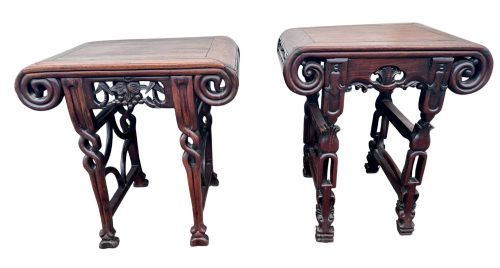
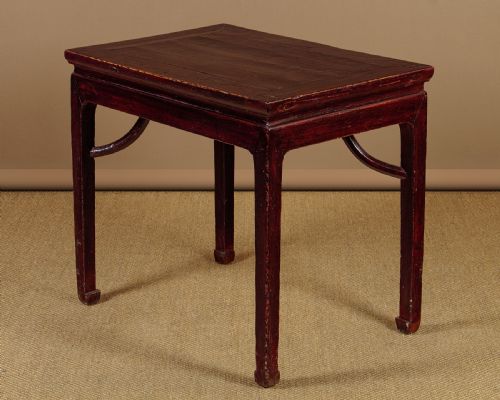
When searching for an oriental hardwood stool, buyers encounter a diverse selection of seating and display pieces originating primarily from nineteenth-century China, alongside occasional Anglo-Indian and Meiji period examples. These items encompass low tables, barrel-shaped drum stands, plant stands, and window seats that reflect traditional craftsmanship and aesthetic values of their respective eras.
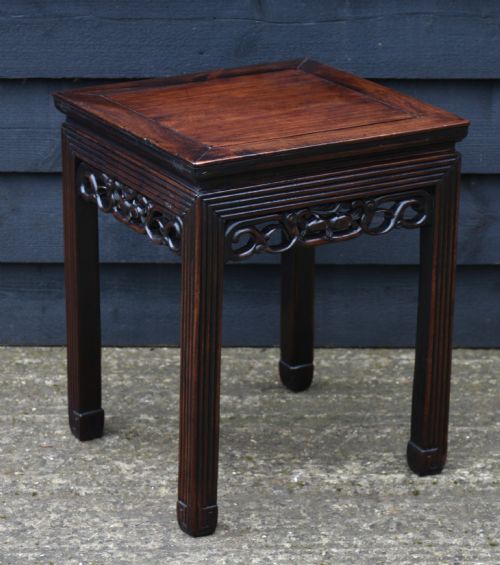
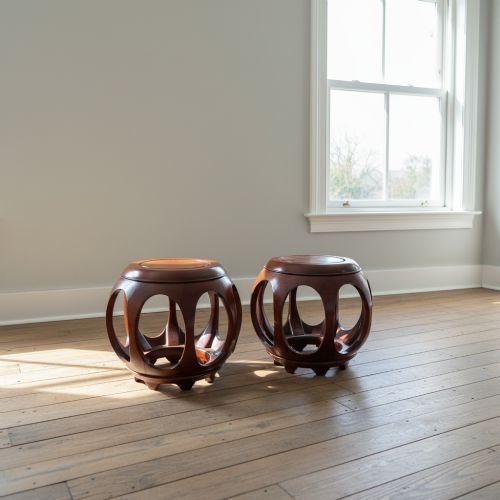
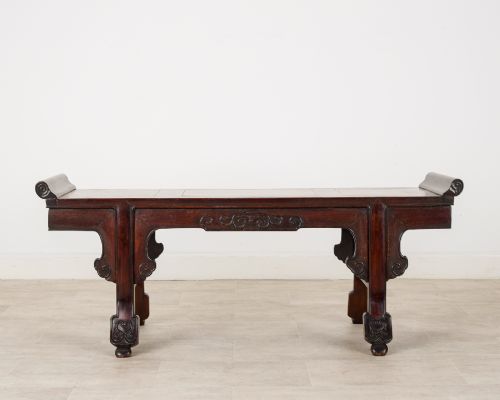
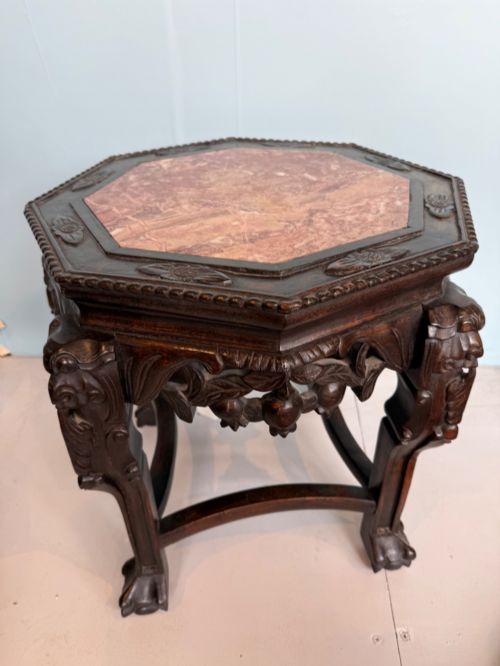
The inventory on this page leans heavily toward Chinese Qing dynasty production, featuring dense timbers shaped into square low tables, round barrel stools, and carved pedestals. Many of these pieces incorporate inset marble tops, porcelain panels, or mother-of-pearl inlay, bridging the gap between utilitarian seating and decorative display furniture.
Materials and Construction Techniques
These items are constructed from heavy, durable timbers such as rosewood, hongmu, huali wood, elm, and general hardwood, chosen for their strength and rich grain. Artisans frequently employed intricate carving techniques to adorn frames with floral, geometric, or figurative motifs, demonstrating advanced joinery without relying on modern fasteners.
Surface treatments and secondary materials define many pieces in this category, notably through the integration of smooth inset marble or rouge marble tops, glossy lacquer finishes, and detailed mother-of-pearl inlay. These contrasting textures highlight the technical skill involved in combining stone and organic elements within a rigid wooden structure.
Several nineteenth-century tables adopt the rounded shape of wooden wine barrels for domestic seating.
Evaluating Craftsmanship and Material Selection
The distinction between standard examples and superior pieces rests on the density and selection of the timber, such as prized hongmu or huali wood, paired with the depth and crispness of the hand carving. Finer items exhibit precise joinery that remains stable over centuries, whereas lesser examples may show coarser detailing or simplified framing.
Quality also depends on the integration of decorative elements like inset rouge marble panels, porcelain inserts, or mother-of-pearl inlay, where flush fitting and secure placement indicate superior workshop execution. Pieces with unusual forms, such as barrel-shaped drum designs or well-proportioned altar benches, typically represent higher levels of original design intent.
The Oriental Hardwood Stool Glossary
- Hongmu
- A dense, dark red-brown tropical hardwood traditionally utilised in fine Chinese furniture. It translates literally as red wood and is prized for its weight and fine grain.
- Huali wood
- A fragrant and highly decorative Chinese hardwood belonging to the rosewood family. It displays distinctive figuring and was favoured by Qing dynasty makers.
- Batavian baroque
- A stylistic term describing furniture produced in the Dutch East Indies during the colonial period. It blends European baroque forms with local tropical timbers and Asian carving techniques.
- Meiji period
- The era in Japanese history spanning from 1868 to 1912, noted for opening trade and producing intricate decorative arts for export. Pieces from this time often feature meticulous woodwork.
- Qing Dynasty
- The last imperial dynasty of China, ruling from 1644 until 1912. Furniture from this period is characterised by robust proportions and elaborate carving.
Oriental Hardwood Stool: Frequently Asked Questions
What is an oriental hardwood stool used for?
These pieces function flexibly as low seats, window benches, or elevated stands for lamps, jardinieres, and decorative objects. Their sturdy construction allows them to support significant weight while adding architectural interest to a room.
Historically, low tables and barrel stools also served as portable seating or display surfaces within traditional scholar's studios and reception halls. Today, collectors utilise them as accent pieces alongside modern or traditional upholstery.
How do I identify a Qing dynasty piece?
Qing dynasty items typically feature dense woods like hongmu or huali, combined with deep, relief-carved motifs and traditional joinery. Examining the underside reveals pegged construction and patinated timber consistent with nineteenth-century workshop practices.
Many examples from this era also incorporate inset marble panels or mother-of-pearl inlay, reflecting the high status of the materials used. Stylistic cues such as horsehoof feet or recurring floral patterns help confirm the period.
Are marble top stands durable?
The inset marble or rouge marble tops on these stands are heavy and securely seated within wooden rebates, offering a stable surface for heavy vases or lamps. The stone resists minor heat and moisture better than bare wood.
While the marble is robust, it remains brittle and can crack under sharp impacts or improper lifting. Normal daily use presents no risk to well-fitted stone inserts.
How do I care for antique hardwood?
Maintain the timber by keeping it away from direct heat sources and rapid humidity changes, which can cause wood to shrink or split. Occasional dusting with a dry, soft cloth preserves the natural patina without stripping the finish.
Avoid silicone-based polishes that build up over time; instead, use traditional beeswax sparingly if the wood appears dry. Allowing the piece to breathe maintains its historical surface integrity.