
Oriental Glazed Vase
An oriental glazed vase brings vibrant colour and meticulous detail into a room through centuries of ceramic tradition.
Oriental Glazed Vase
When you search for an oriental glazed vase, you are looking at ceramic vessels originating from China and Japan across multiple historic periods. These pieces include baluster vases, ginger jars, and sculptural forms decorated with rich surface treatments.
The versions you are most likely to meet on this page hail from the nineteenth and early twentieth centuries, spanning the Meiji, Taisho, and Qing periods. They range from diminutive Satsuma miniatures to monumental Chinese celadon vessels.
Materials and Construction
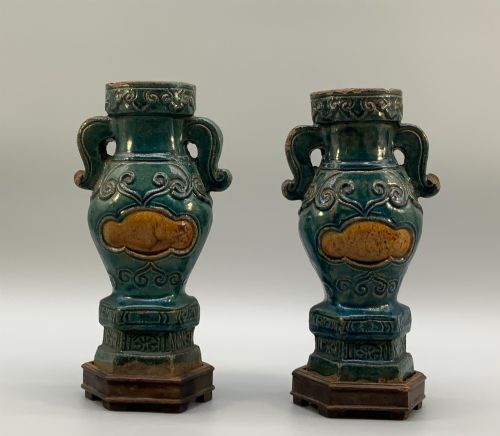
Potters shaped these vessels from earthenware, stoneware, and porcelain, applying complex mineral glazes such as cobalt, turquoise, and amber. Many works integrate heavy dripping flambé effects alongside delicate enamel painting and raised moriage decoration.
Makers utilised traditional throwing and moulding techniques before subjecting the clay to high-temperature kilns. Master artisans often added hand-modelled sculptural figures and detailed gilding over the fired glaze layers.
Listings feature items spanning the 17th century to the 1930s, utilising porcelain, stoneware, and earthenware.
Distinctions in Quality
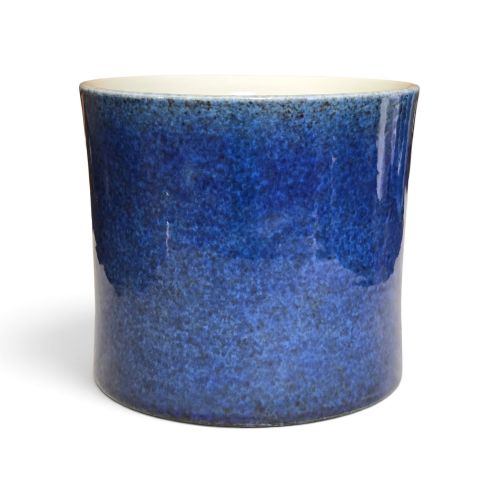
The finest examples display precision in their hand-painted figural scenes and crispness in modelled applied elements like dragons and sages. Superior pieces exhibit controlled glaze runs, particularly on flambé and powder-blue surfaces, without muddy pooling.
Signatures from recognised workshops and master ceramists elevate a piece above standard decorative wares. The crispness of the unglazed foot rim and the balance of the vessel's proportions signal the maker's discipline.
Kinkozan Workshop·Inoue Ryosai·Shozan Satsuma·Makuzu Kozan·Kato Sanhei
The Oriental Glazed Vase Glossary
- Satsuma
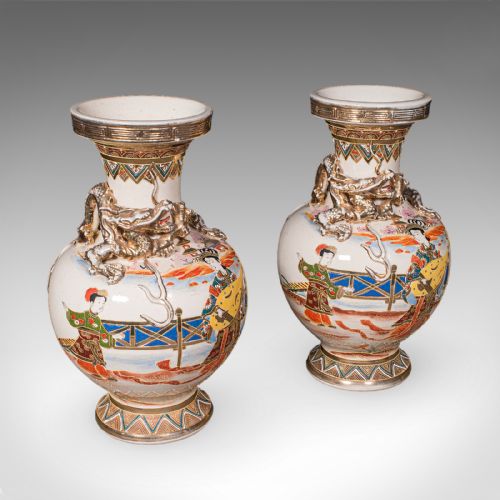
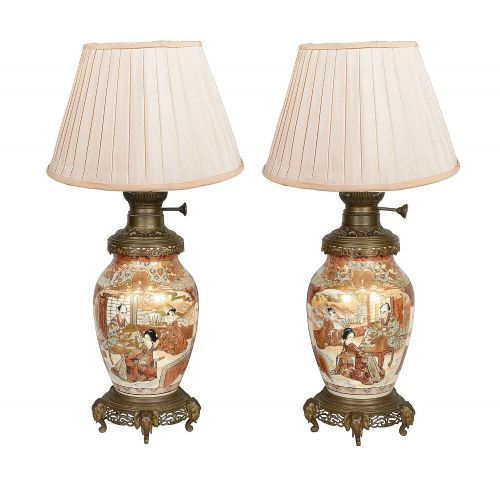
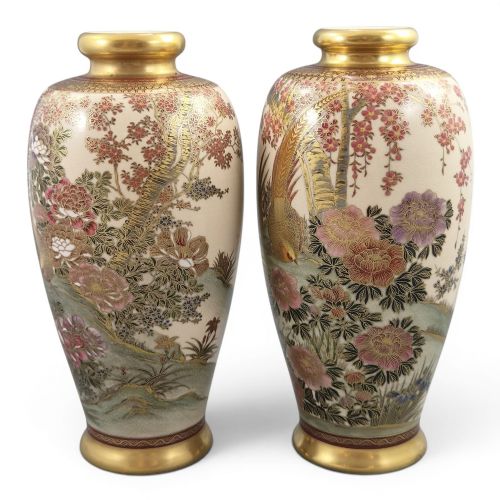
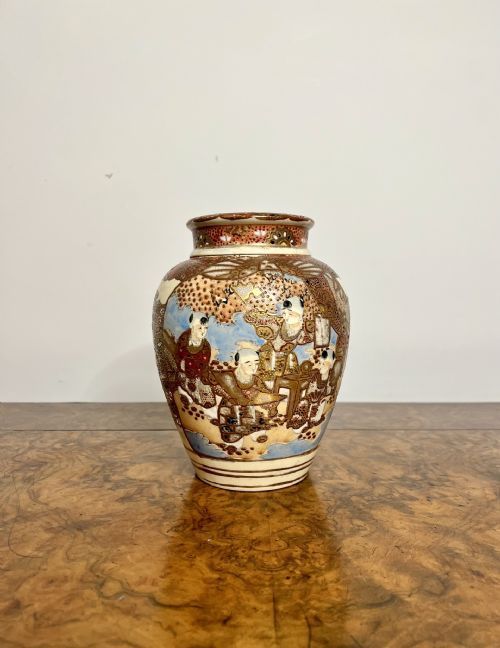
- A type of Japanese earthenware featuring a fine, ivory-coloured crackle glaze painted with detailed enamels and gilding. These pieces were widely produced for export during the Meiji period.
- Sumida Gawa
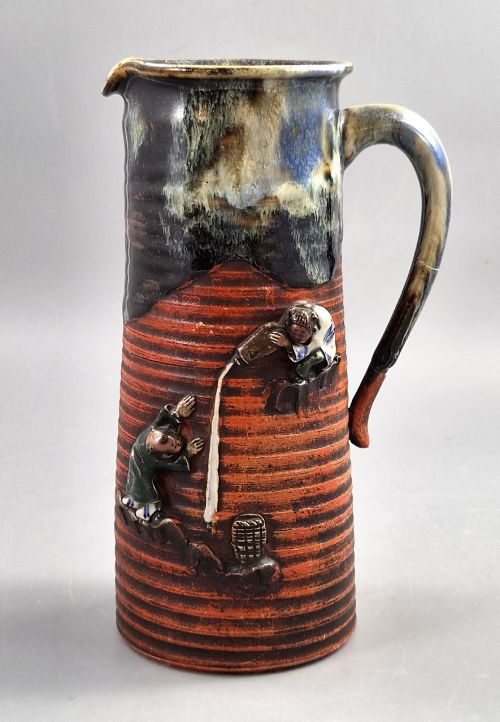
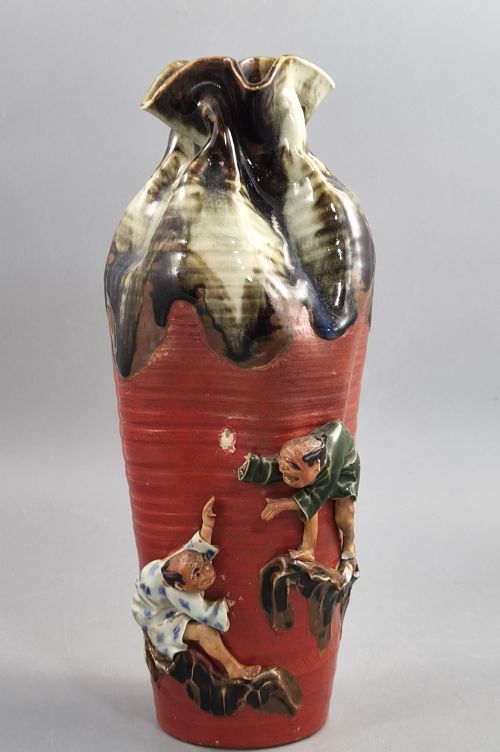
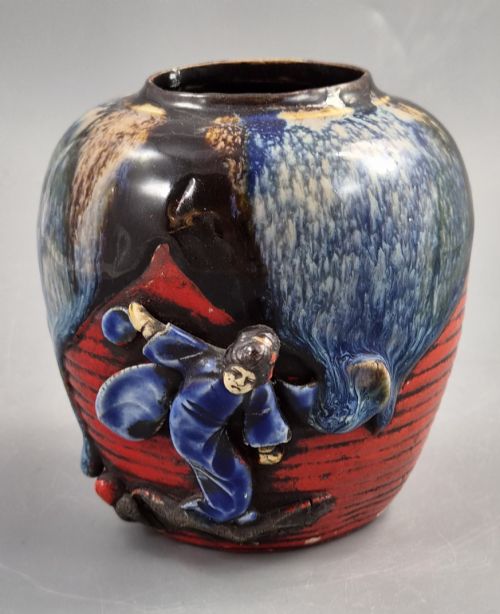
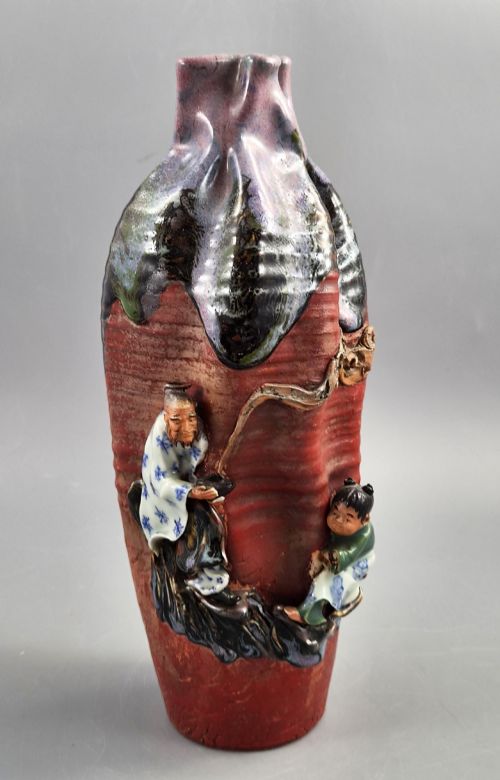
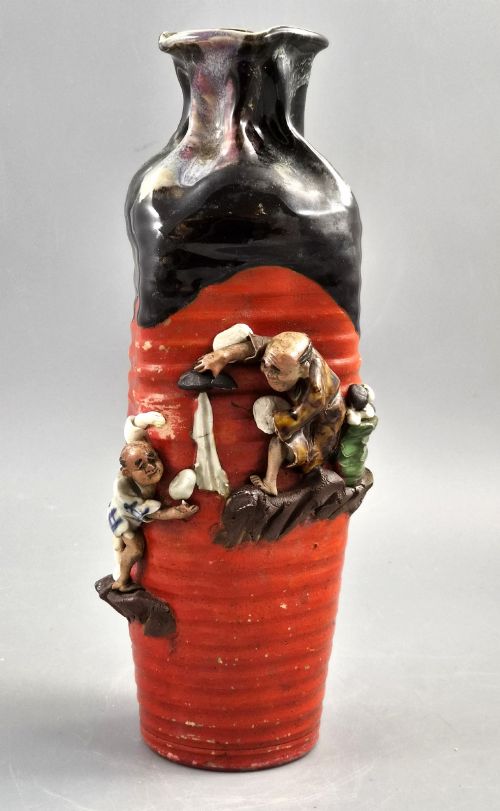
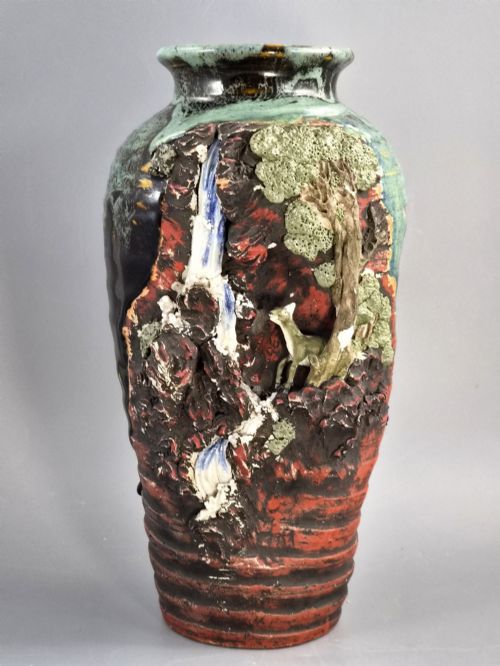
- Japanese art pottery characterised by thick flambé glazes and heavily modelled, high-relief figures climbing across the surface. This style emerged around Tokyo during the late nineteenth century.
- Celadon
- A term for ceramics displaying a pale green or grey-green translucent glaze imitating jade. The colour results from iron oxide interacting within a reduction kiln.
- Moriage
- A decorative ceramic technique using piped slip to build up raised dots and intricate patterns on the surface. This method creates a tangible texture beneath the final glaze and enamel.
- Millefleurs
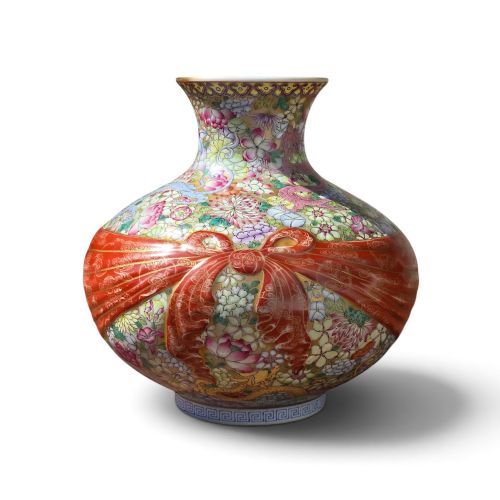
- A dense pattern translating to a thousand flowers, covering the entire ceramic surface in a profusion of painted blossoms. It requires exceptional patience from the decorator.
Oriental Glazed Vase: Frequently Asked Questions
How do I identify a Satsuma vase?
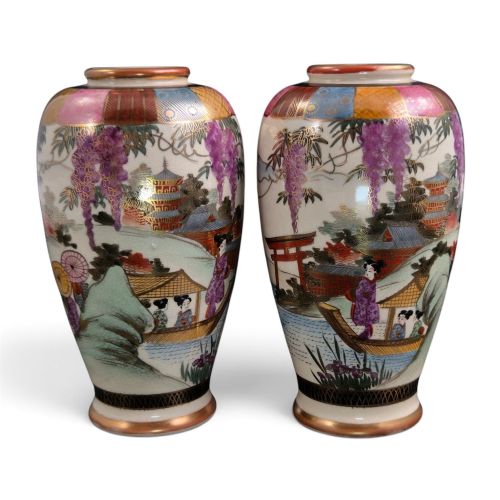
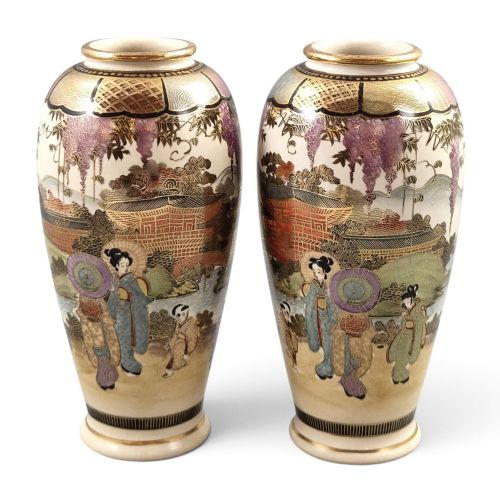
Satsuma wares are generally characterised by a warm, ivory-coloured earthenware body covered in a fine network of crackled glaze. They are traditionally decorated with densely painted court scenes, immortals, and floral motifs highlighted in gold enamel.
Many pieces bear artist signatures or workshop marks on the base, helping to trace their origins to specific Meiji period studios in Kyoto or Kobe.
What is Sumida Gawa pottery?
Sumida Gawa pottery stands out for its dramatic, sculptural appearance, featuring rough-textured stoneware bodies and dripping blue, green, or lavender flambé glazes. Artisans applied distinct figures like sages, children, and animals climbing directly onto the vessel walls.
Originating near the Sumida River in Tokyo, these dynamic pieces often carry signatures from notable makers such as Ryosai or Ban-ni.
How should I display these vases at home?
These vessels demand placement where their varied glazes and hand-painted details catch natural light without direct exposure to harsh sun. Pair them with neutral backdrops to let intricate enamel work and raised relief figures stand out clearly.
Larger baluster vases and ginger jars anchor side tables or mantels effectively, while miniature Satsuma pieces suit enclosed cabinets where you can examine close-up brushwork.
What is cracked glaze?
Cracked glaze, or crackle, is a deliberate decorative network of fine fissures running through the glassy surface of a ceramic. It occurs naturally during cooling when the glaze shrinks at a different rate than the underlying clay body.
Historically prized in Chinese and Japanese ceramics, this network adds depth and visual texture to monochrome surfaces like celadon and turquoise wares.