



Oriental Gilt Vase
An oriental gilt vase brings together intricate East Asian ceramic traditions and rich metallic decoration, offering both striking visual presence and deep historical interest.
Oriental Gilt Vase
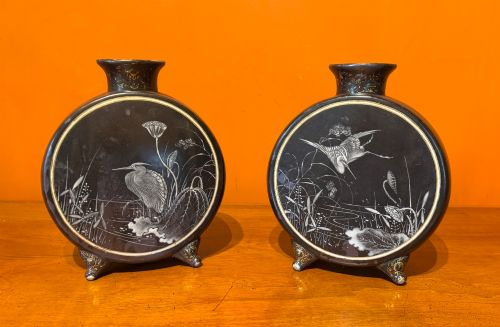
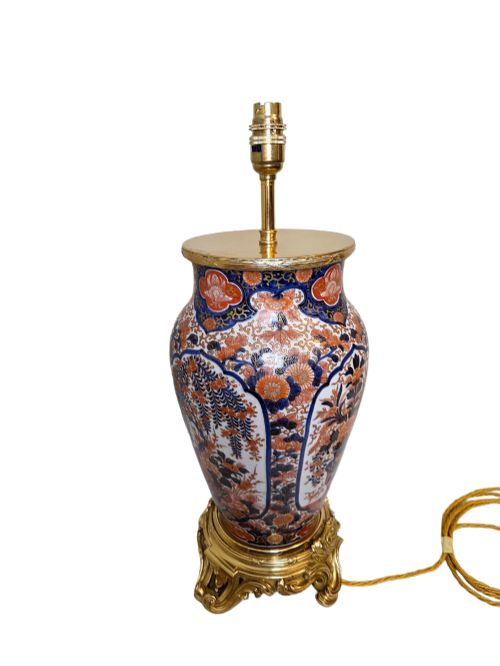
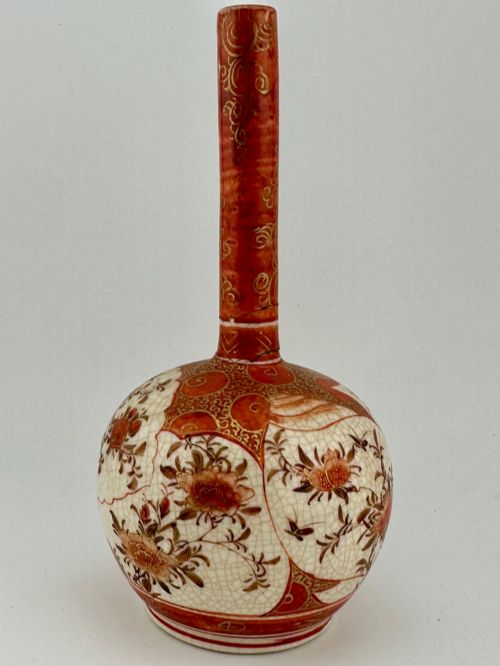
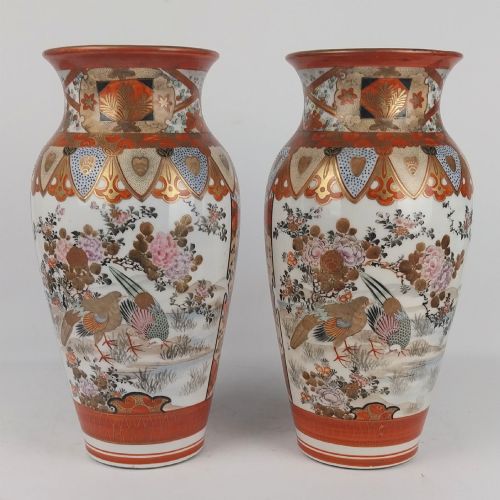
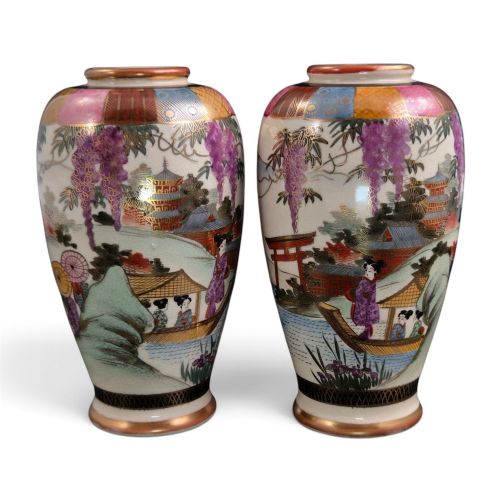
When you search for an oriental gilt vase, you encounter a selection of Japanese and Chinese ceramic and metal vessels originating mainly from the nineteenth and early twentieth centuries. These pieces encompass Satsuma, Imari, Kutani, and cloisonné styles, reflecting the distinct artistic output of the Meiji, Taisho, and Qing periods.
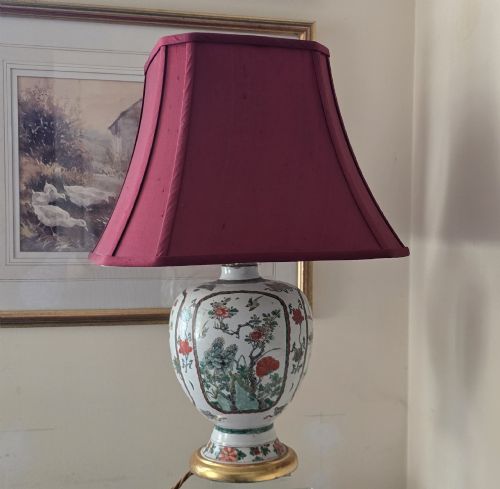
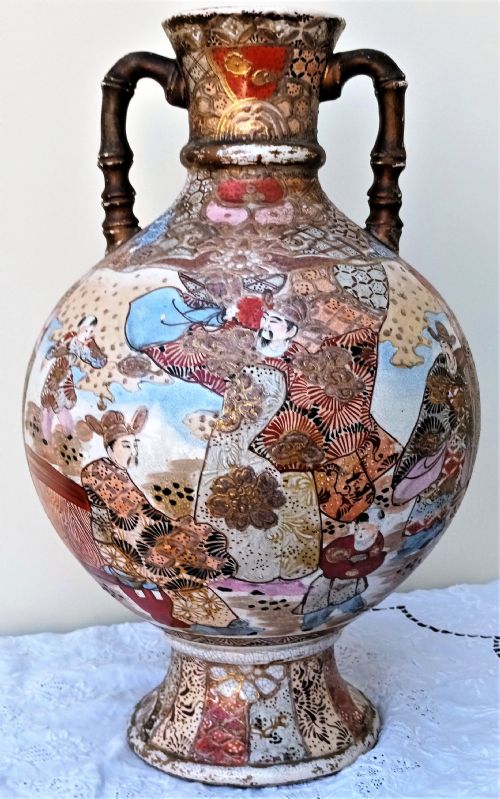
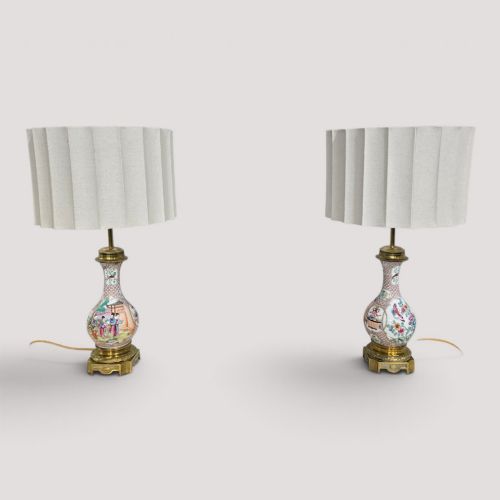
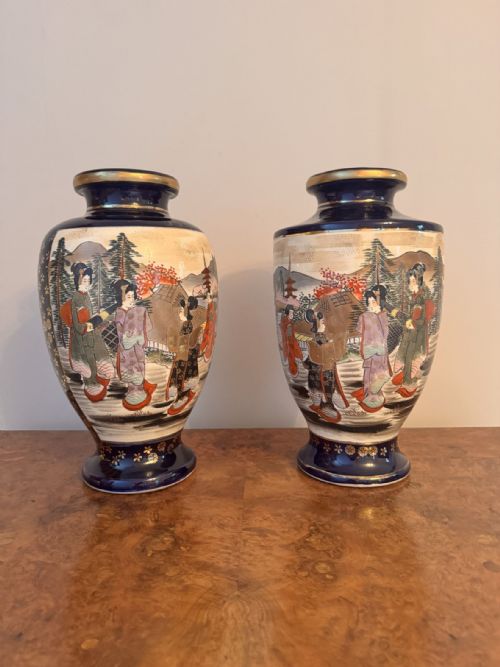
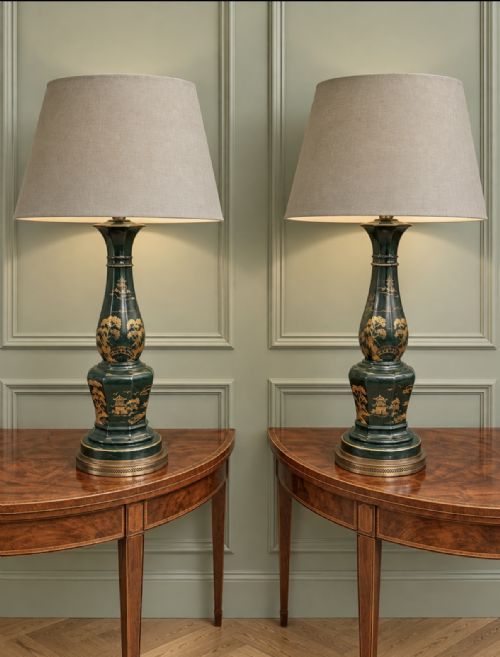
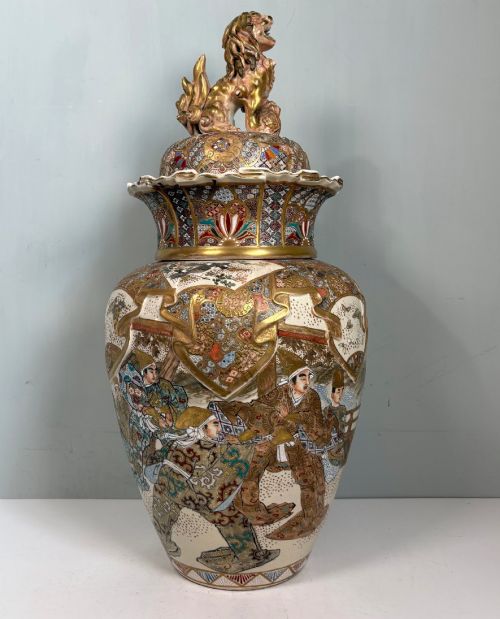
The inventory on this page consists predominantly of Satsuma earthenware and porcelain baluster vases, alongside lidded jars and vessels adapted into table lamps. Many appear in pairs, demonstrating the decorative ambition of their makers and the traditional domestic arrangements for which they were created.
How they were made
The construction of these vessels relies on ceramic bodies such as earthenware and hard-paste porcelain, painted with enamels and finished with gold leaf or gilt details. Techniques like moriage build up raised slip decoration on the surface, creating a textured ground for the gilded highlights.
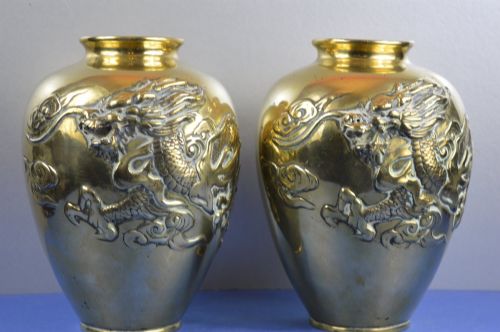
Metal vessels in the selection utilise bronze or brass, often paired with cloisonné wirework or cast mounts. The application of gold varies from delicate linework tracing figural processions to bold, all-over surface gilding that catches the light.
Oriental Gilt Vase Retail Price Guide 2026
Typical asking prices for oriental gilt vase among the pieces listed under this phrase on Sellingantiques today, from the lower quarter to the upper quarter. They describe what is for sale here now, not the wider market.
Several temple vases stand taller than a standard kitchen counter, proving that previous generations had a very robust definition of table decoration.
What varies in quality
The distinction between standard commercial output and the finest workshop productions lies in the precision of the hand-painted detail and the density of the gilding. Master workshops such as Kinkōzan achieved a level of refinement in their enamelling and gold application that lesser pieces simply do not match.
Maruni Kobe·Manpei Kobe·Kinkōzan Kyoto·Chosei Kyoto·Seiko-en Chokei
The Oriental Gilt Vase Glossary
- Satsuma
- A type of Japanese earthenware featuring a crackled creamy glaze decorated with polychrome enamels and gold. It originated in Satsuma Province and became a major export in the nineteenth century.
- Moriage
- A ceramic technique where slip is applied in dots or lines to create a raised, tactile pattern beneath the glaze and gilt. This method adds significant dimension to floral and figural scenes.
- Imari
- A traditional style of Japanese porcelain characterised by a palette of underglaze blue, iron red, and gilt. Pieces often display intricate brocade and floral patterns.
- Cloisonné
- Enamelling technique where thin metal wires are soldered to a metal base to form compartments, which are then filled with coloured paste and fired. The resulting surface shows distinct coloured fields divided by metal lines.
- Baluster
- A vase form with a rounded body that tapers toward the base and expands into a flared neck. This shape provides a stable foundation for complex pictorial decoration.
Oriental Gilt Vase: Frequently Asked Questions
What is Satsuma ware?
Satsuma ware is a distinct style of Japanese pottery known for its ivory-coloured earthenware body and characteristic fine crackle glaze. Artisans decorated these surfaces with detailed enamel scenes and gold leaf.
These pieces were heavily produced for export during the Meiji period, ranging from small cabinet items to large temple-sized display vessels.
How do I care for gilt ceramics?
Gilt ceramics require gentle handling because the gold leaf and enamel decorations sit on top of the glaze. Dust them dry with a soft brush and avoid all chemical cleaning agents.
Keeping them out of direct sunlight helps preserve the vibrancy of the pigments and prevents the metallic details from tarnishing or lifting.
What are ormolu mounts?
Ormolu refers to gilded bronze mounts applied to the rims, bases, or handles of ceramic vessels. European craftsmen often added these metal ornaments to imported Asian porcelain during the nineteenth century.
These mounts served to elevate the status of the piece and adapt Asian export ware to Western interior aesthetics.
How are Meiji period items dated?
Dating Meiji period pieces involves examining the combination of ceramic body, signature style, and export marks. The Meiji era spanned from 1868 to 1912, aligning with the opening of Japanese trade to Western markets.
Specific workshops and master signatures provide narrower dating brackets when associated with documented historical exhibitions and production phases.