



Oriental Foo Dog Sculpture
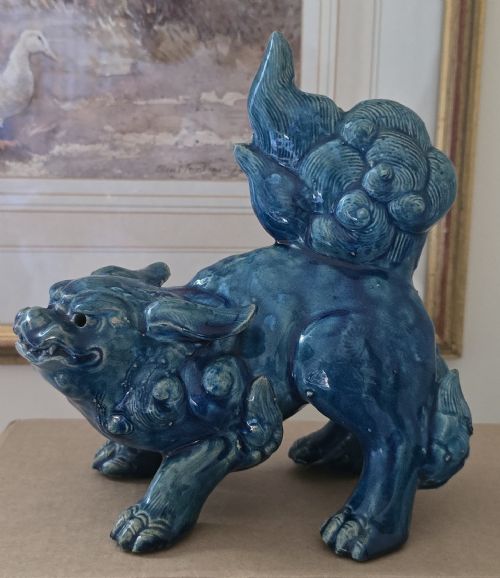
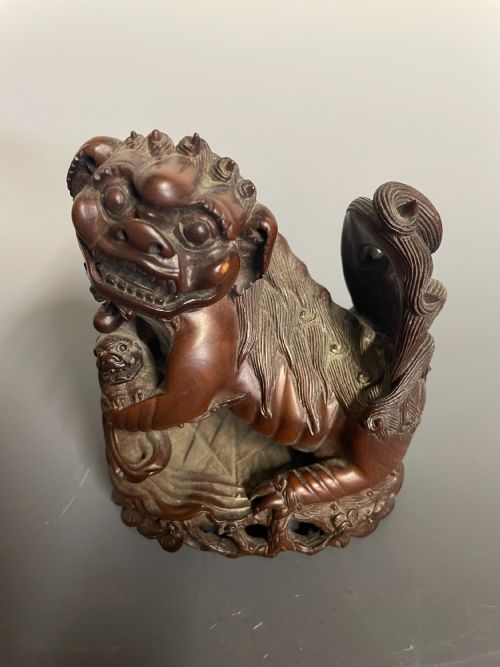
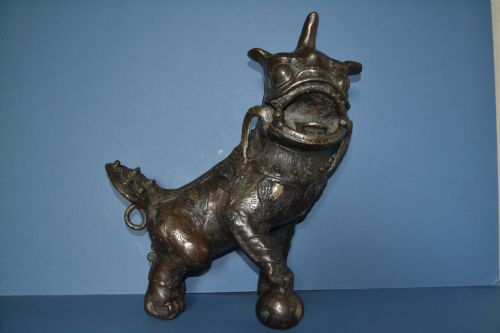
An oriental foo dog sculpture guards the space with stylised power, taking form in bronze, porcelain, and carved wood across centuries of Asian artistry.
Oriental Foo Dog Sculpture
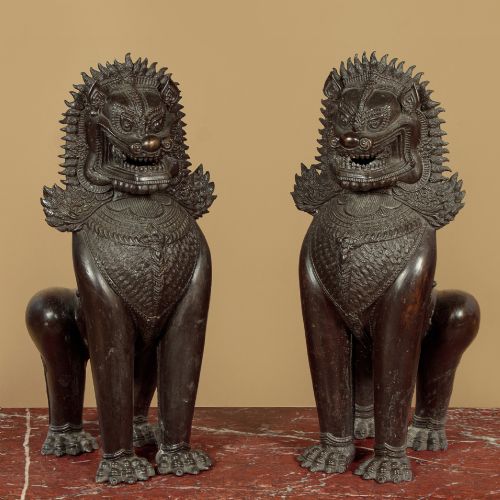
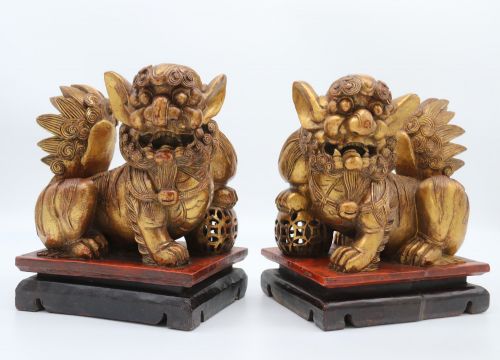
An oriental foo dog sculpture takes the form of a guardian lion, traditionally placed at thresholds and altars to ward off malevolent forces. These figures appear as single pieces or balanced pairs, often showing one paw resting upon a brocade ball or guarding a cub. The listings on this page span centuries of production, from the Ming Dynasty and 17th Century pieces through to 19th Century and early 20th Century examples.
The materials vary widely across the selection, encompassing bronze, porcelain, brass, soapstone, cast iron, and several varieties of carved wood including root wood and boxwood. Stylistic influences draw from Qing and Ming Dynasties as well as Japanese Meiji and Edo-Meiji periods, presenting forms designated as temple guards, desk seals, incense burners, and decorative figurines.
Materials and Working Methods
Metal sculptures utilise bronze and brass, shaped through casting methods and finished with gilt or applied surface patination. Heavier temple examples display substantial weight, while smaller scholar's pieces incorporate detailed chiselling for seals and incense burners.
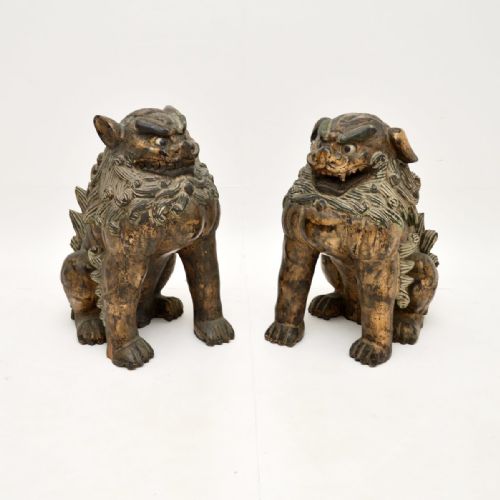
Wood pieces rely on skilled hand carving, utilising boxwood, root wood, and lacquered timber to define the muscular haunches and curling manes of the beasts. Ceramic variants combine porcelain bodies with turquoise glazes, enamels, or Kutani and Bizen ceramic techniques before kiln firing.
Oriental Foo Dog Sculpture Retail Price Guide 2026
Typical asking prices for oriental foo dog sculpture among the pieces listed under this phrase on Sellingantiques today, from the lower quarter to the upper quarter. They describe what is for sale here now, not the wider market.
Listings feature materials spanning bronze, brass, porcelain, gilt wood, root wood, boxwood, enamel, and stone across multiple centuries.
Evaluating the Pieces
Material selection and surface preservation further define the grade of an object, whether through the integrity of an antique wood patina, the richness of a bronze or gilt surface, or the precise application of porcelain enamel and glaze.
The Oriental Foo Dog Sculpture Glossary
- Shishi
- A Japanese term for a guardian lion or dog, representing a mythical beast derived from Chinese Buddhist tradition. These figures frequently appear in porcelain, bronze, and ceramic forms from the Meiji period.
- Karashishi
- Specifically translated as Chinese lion, referring to the stylistic lineage of guardian dog sculptures imported into or emulated within Japanese art. The term is common in descriptions of Kutani and Hirado porcelains.
- Scholar's seal
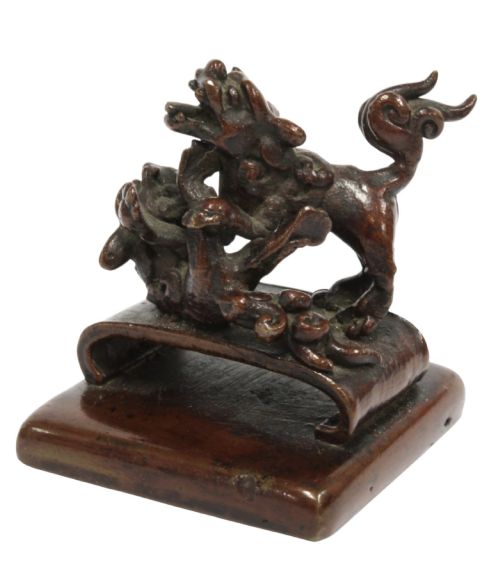
- A small carved object, often in soapstone or bronze, used for stamping documents and artwork with an official signature. These frequently take the form of miniature lion dogs perched atop a square plinth.
- Temple guard
- A large-scale sculptural figure designed to stand at the entrance of a sacred space. They are typically cast in heavy bronze or carved from substantial timbers.
- Gilt wood
- Timber substrate treated with a thin layer of gold leaf or metallic powder. This technique highlights the carved details of decorative temple lions.
Oriental Foo Dog Sculpture: Frequently Asked Questions
What is a foo dog actually supposed to be?
Despite the common Western moniker, these creatures are not dogs at all but stylized guardian lions rooted in Buddhist iconography. They were originally placed outside temples and palaces to serve as spiritual protectors.
The artistic tradition travelled from India through China and into Japan, evolving distinct regional characteristics in materials like bronze, porcelain, and wood while retaining their protective stance.
How do I display a pair of foo dogs?
Traditional placement requires a pair to flank an entryway, mantelpiece, or piece of furniture, facing inward toward each other to contain the protective energy. When a single sculpture is used, it sits effectively on a desk, shelf, or altar surface.
Ensure the piece has a stable foundation, particularly with heavy bronze or stone examples, and position it away from direct moisture to protect antique wooden and lacquered surfaces.
How can I tell a Chinese foo dog from a Japanese shishi?
Chinese examples, particularly those from Qing or Ming periods, often emphasise robust proportions, heavy casting, and intricate architectural detail on seals or temple guards. Japanese Meiji period shishi frequently display dynamic, highly stylised musculature and refined porcelain glazes such as Kutani or Hirado.
Examining the underlying material and the specific conventions of the carving style helps clarify the geographic origin and period of the workshop.
What is the difference between a temple guard and a scholar's seal?
Temple guards are large, commanding sculptures designed to be viewed from a distance at architectural thresholds, often cast in heavy bronze or carved from substantial timber. Scholar's seals are intimate desk objects carved from soapstone or bronze that feature a miniature lion dog atop the handle.
While both share the same mythical subject, their scale and intended function in historical settings differ entirely.