








Oriental Display Dish
When you handle an oriental display dish, you hold centuries of refined ceramic and enamel artistry meant for striking presentation.
Oriental Display Dish
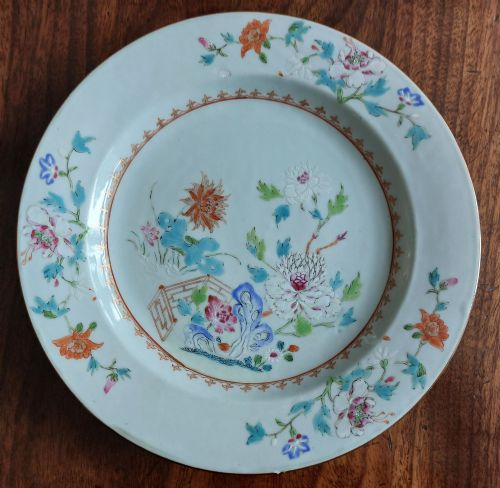
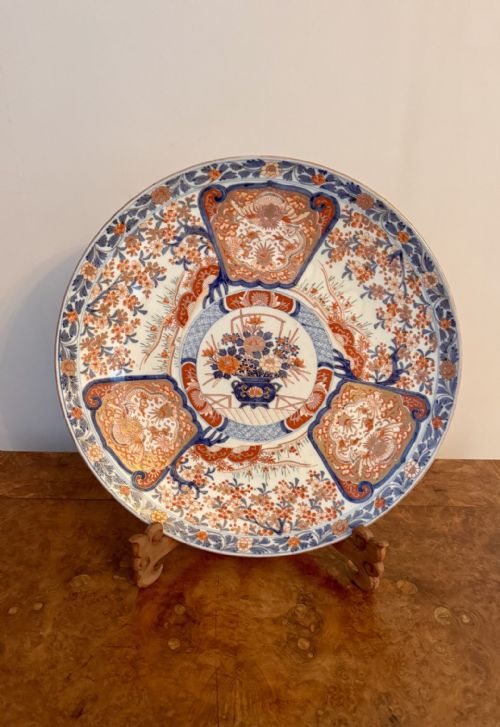
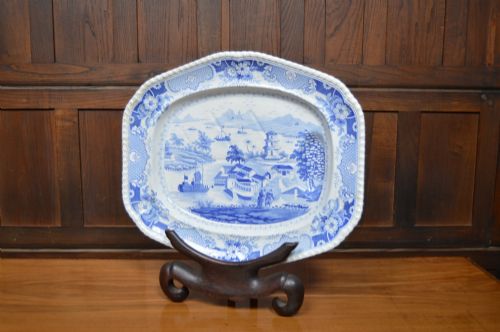
An oriental display dish brings together heavily decorated chargers, plates, and bowls originating from East Asian traditions. These works serve primarily as decorative accents rather than utilitarian tableware, designed to be mounted on walls or set upon stands.
The most common examples encountered on this page belong to the Japanese Imari and Meiji periods, alongside Chinese export wares. Such pieces span late nineteenth-century productions down to early twentieth-century creations.
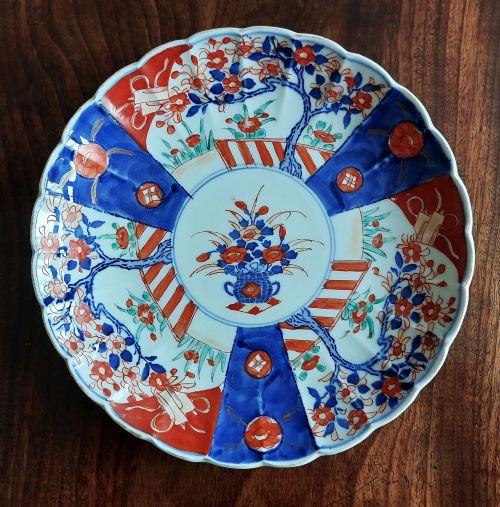
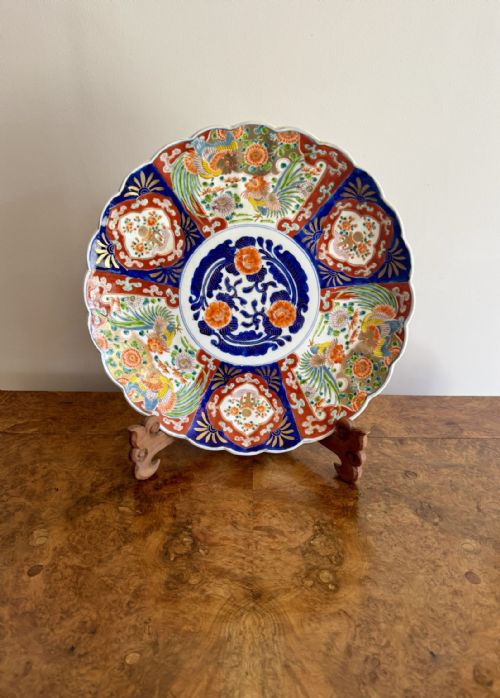
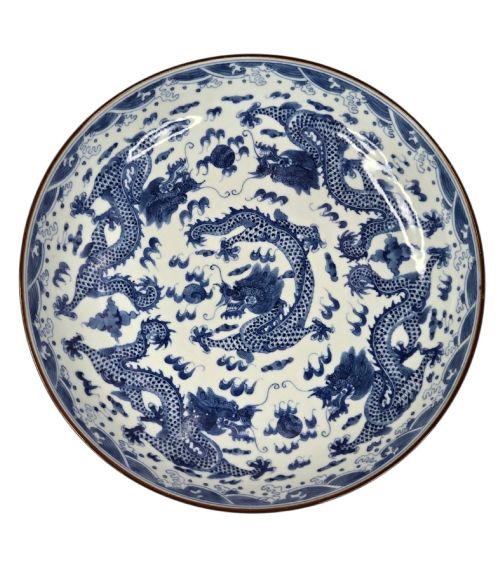
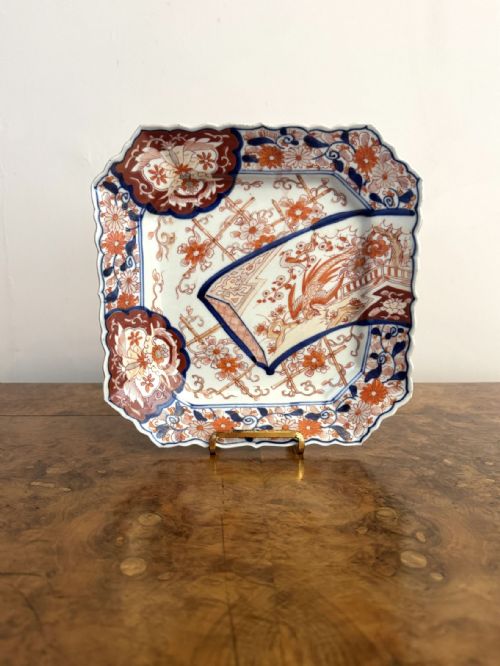
Makers utilised various geometric formats, including hexagonal, square, and scalloped edges, alongside traditional circular chargers. Each form provides a distinct canvas for intricate hand-painted floral, avian, and dragon motifs.
Materials and Techniques
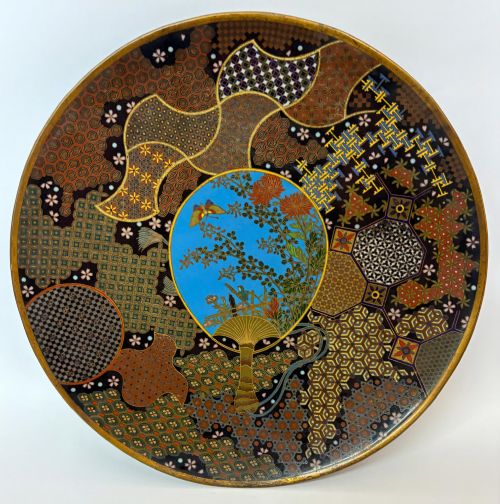
Craftsmen shaped these items from porcelain, earthenware, and copper bases. Ceramic pieces received careful glazing and hand-painted enamel decoration, whilst metal pieces relied on cloisonne enamel work.
Decoration often incorporated rich gilding, gold leaf, and vibrant cobalt blue pigments. These pigments underwent high-temperature firing to achieve durable, glossy finishes across chargers and plates.
Several Meiji period cloisonne pieces depict leaping koi, frogs, and owls alongside Mount Fuji.
Assessing Quality
Quality rests upon the precision of the hand-painted brushwork and the complexity of the design layout. Superior examples display crisp definition in multi-coloured enamels and careful registration of motifs.
The weight of the porcelain body and the absence of firing blemishes separate standard production wares from master-class creations. Signed works by recognised artisans generally command greater attention from collectors.
Koshida·Kozan
The Oriental Display Dish Glossary
- Imari
- A style of Japanese porcelain featuring a distinctive palette of cobalt blue, iron red, and gold. This tradition originated in Arita and became widely exported to Europe.
- Cloisonne
- A metalworking technique where enamel paste is applied within compartments created by soldered wire strips on a copper base. The piece is then fired and polished.
- Charger
- A large decorative plate traditionally used for ceremonial presentation rather than serving food. These items form the centrepiece of many ceramic collections.
- Famille Verte
- A Chinese porcelain palette dominated by green enamel overglaze colours, developed during the Qing Dynasty. It often depicts botanical and animal scenes.
- Meiji Period
- The era in Japanese history spanning from 1868 to 1912, noted for opening trade with the West and producing highly detailed decorative arts.
Oriental Display Dish: Frequently Asked Questions
How were display dishes used?
These pieces were produced primarily for decorative display in parlours and reception rooms rather than for dining purposes. Owners placed them on specialised stands or hung them directly on walls to showcase their intricate designs.
Their substantial size and vibrant colour palettes made them focal points in Victorian and Edwardian interiors, reflecting a widespread fascination with Eastern craftsmanship.
How do I identify Imari ware?
Imari porcelain is easily recognised by its characteristic tripartite colour scheme of underglaze cobalt blue, iron red, and supplementary gold leaf. The motifs typically combine floral patterns with geometric borders and exotic birds.
Most pieces date from the Meiji period or around 1900, often featuring heavy porcelain bodies with scalloped or hexagonal edges.
What is cloisonne enamel?
Cloisonne involves soldering thin metal wires onto a copper or brass body to create partitioned cells, known as cloisons. Artisans fill these spaces with coloured enamel paste before firing the piece multiple times.
The surface is then ground down and polished to a smooth finish, revealing crisp metallic outlines around motifs like dragons, koi, and chrysanthemums.
How should I display them safely?
Display chargers and plates using sturdy, rubber-tipped wall hangers or dedicated tabletop stands designed specifically for heavy ceramics and metalwork. Ensure the mount distributes the weight evenly across the rim and base.
Keep pieces away from direct sunlight to preserve the vibrancy of the hand-painted enamels and gold leaf highlights over time.