


Oriental Dark Wood Chest
These oriental dark wood chest examples bring substantial timber storage and intricate regional joinery straight from Asian and global trade routes into a room.
Oriental Dark Wood Chest
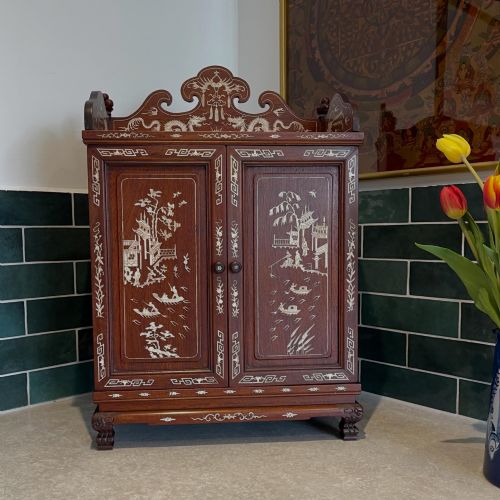
When searching for an oriental dark wood chest, buyers encounter a diverse selection of storage forms spanning multiple centuries and regions. The pieces listed range from compact table cabinets and travelling boxes to large camphor storage trunks and multi-drawer apothecary chests.
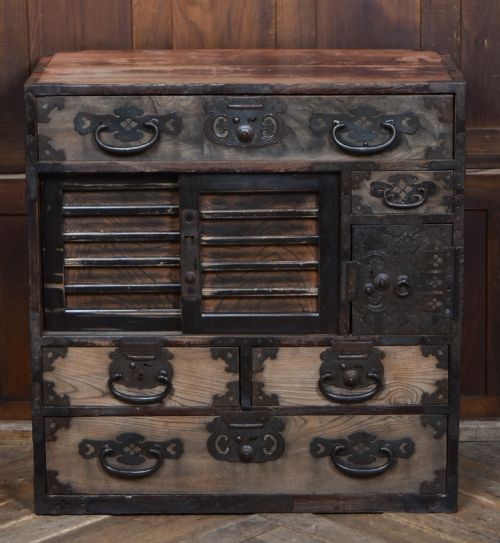
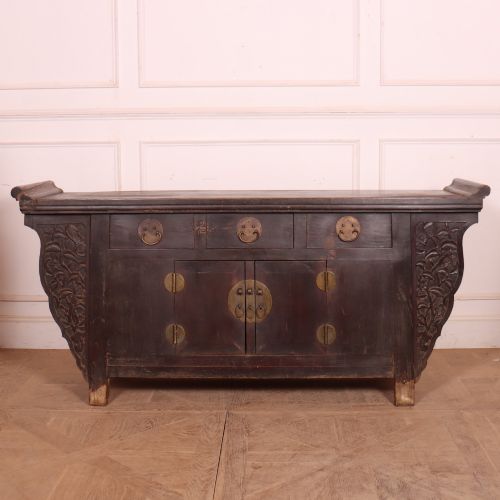
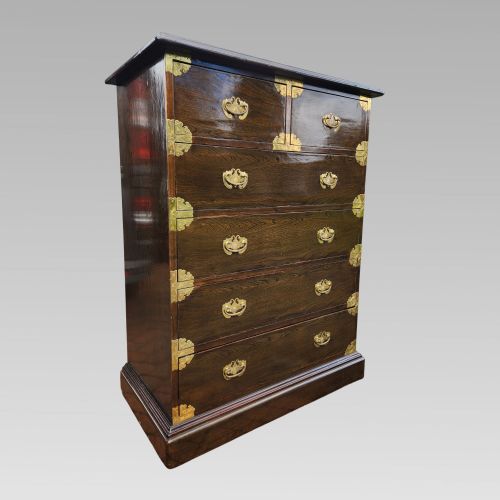
Chinese and Japanese pieces dominate the selection, featuring traditional tansu construction, elm apothecary units, and camphor wood storage trunks. Examples also draw from Korean tradition, Zanzibar trade routes, and Anglo-Indian workshops.
Dating ranges from the eighteenth century through the Victorian era up to the 1930s. Buyers frequently meet elm, camphor wood, and general hardwood constructions finished with brass or iron hardware.
Factors That Distinguish Quality
The sophistication of the timber selection and regional joinery dictates the upper tier of these pieces. Dense hardwoods like hongmu and well-figured elm veneer distinguish finer chests from simpler utility boxes.
Detailing in metalwork and inlay elevates specific pieces. Fine bronze animal decoration, intricate mother-of-pearl work, and substantial brass or iron mounts separate standard storage trunks from exceptional examples.
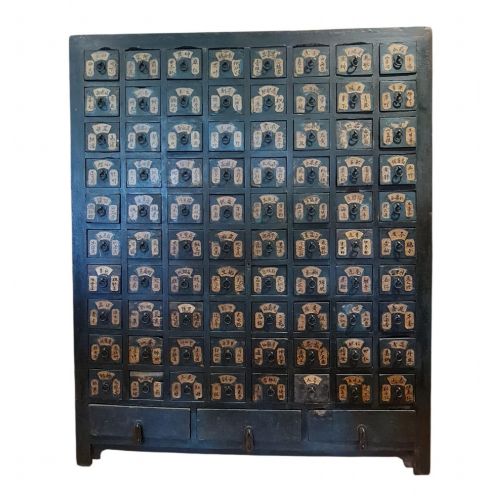
One Chinese apothecary chest manages eighty tiny drawers for precise herb sorting.
The Oriental Dark Wood Chest Glossary
- Tansu
- Traditional Japanese mobile storage cabinetry built with exposed timber frames and iron hardware. These chests serve various household functions from clothing storage to document organisation.
- Bandaji
- A traditional Korean storage chest featuring prominent metal strapwork across the front facade. These heavy wooden pieces hold garments and household textiles.
- Apothecary chest
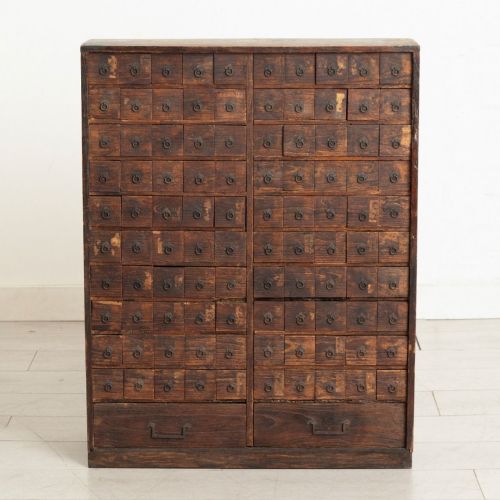
- A multi-drawer cabinet originally used by traditional practitioners to sort dried herbs, roots, and medicinal components. They feature numerous small drawers, sometimes numbering in the dozens.
- Camphor wood
- An aromatic timber utilised for storage trunks and chests to deter insects from woollens and linens. The wood retains a distinct scent decades after manufacture.
Oriental Dark Wood Chest: Frequently Asked Questions
What were camphor wood chests used for?
Camphor wood chests served primarily as durable storage trunks for garments, blankets, and valuable textiles during transport or home storage.
The natural aromatic properties of the timber protected the contents from insects and dampness in maritime climates.
How do I identify a Japanese tansu chest?
Japanese tansu chests are recognised by their modular wooden framework, visible structural joinery, and prominent iron or brass corner plates and drop handles.
They were designed for portability and specific household storage tasks, often separating into distinct stacking sections.
What is the difference between an apothecary chest and a standard cabinet?
Apothecary chests feature numerous small internal drawers designed to organise medicinal herbs, roots, and powders rather than general household goods.
Standard cabinets and sideboards provide open shelf space or larger cupboards for domestic display and storage.
How do I care for antique hardwood furniture?
Maintain antique hardwood surfaces by keeping them away from direct heat sources and abrupt humidity changes that cause timber movement.
Dust regularly with a dry cloth and occasionally apply appropriate natural waxes if the finish requires nourishment.