

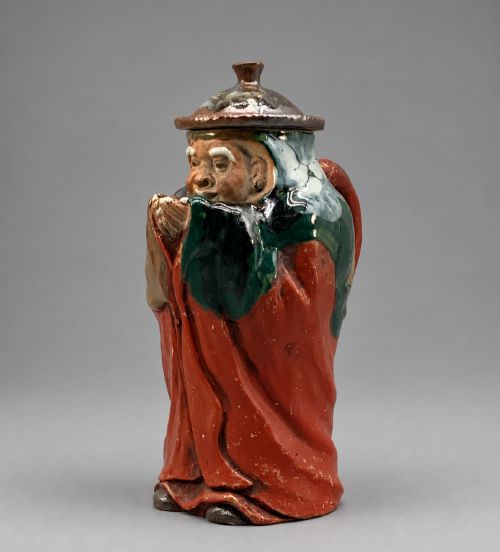
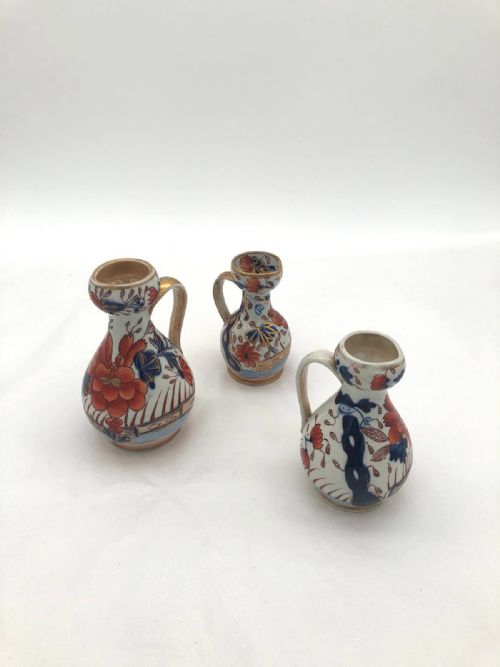
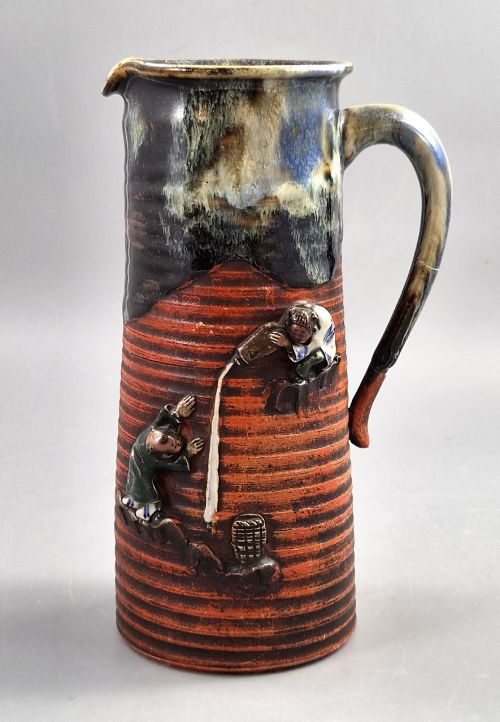
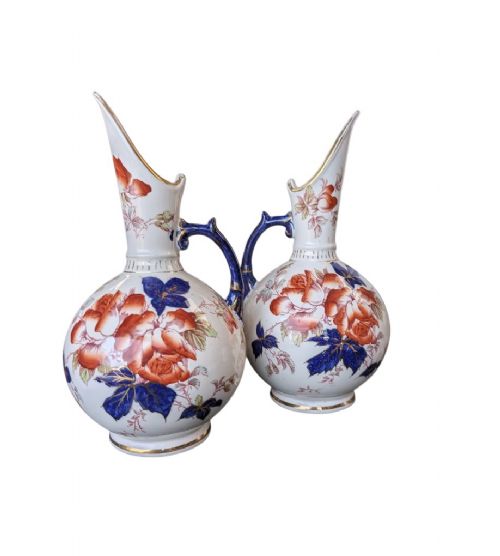


Oriental Ceramic Pitcher
These oriental ceramic pitcher pieces bring hand-painted narrative scenes and vibrant glazes straight from historic kilns into modern interiors.
Oriental Ceramic Pitcher
An oriental ceramic pitcher encompasses vessels shaped for pouring liquids, including ewers, jugs, and kendi forms created across Asian and British traditions. You encounter pieces spanning from the seventeenth century through the Victorian era and the early twentieth century.
Many items reflect specific historical periods such as the Qing Dynasty and the Meiji period, while others show Georgian and Regency interpretations of Eastern motifs. Buyers find utilitarian vessels and decorative ewers alike, each bearing distinct regional painting and glazing techniques.
How they were made
Potters shaped these vessels using porcelain, ironstone, earthenware, and terracotta, applying ceramic glaze and enamel colours by hand. Kiln workers fired high-temperature porcelains and earthenwares to achieve durable bodies suitable for daily service or display.
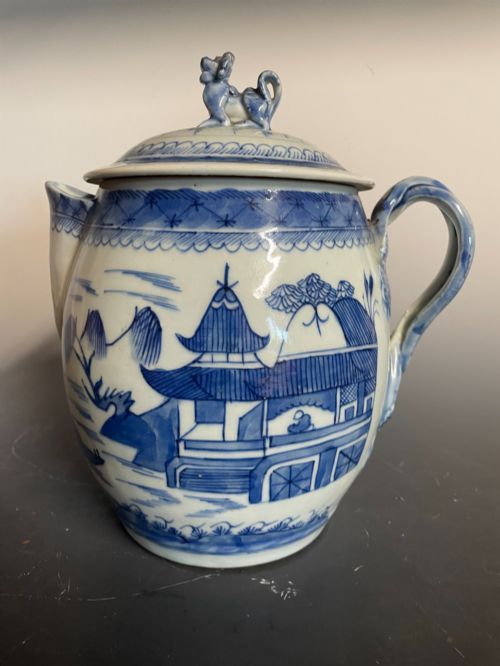
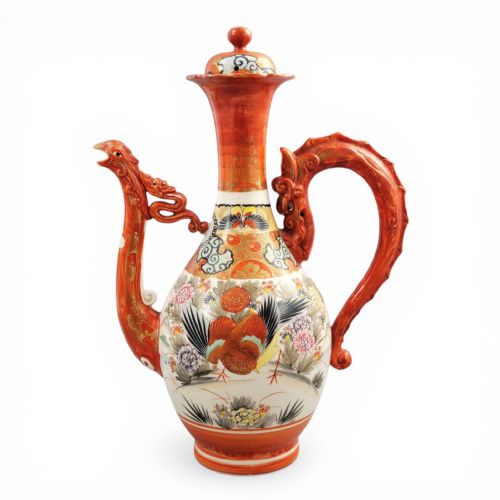
Artisans decorated surfaces using underglaze blue pigments, polychrome enamels, and aubergine glazes, often incorporating moulded elements like dragon handles or phoenix spouts. Production methods combined traditional throwing and moulding with meticulous brushwork across Chinese, Japanese, and British workshops.
Oriental Ceramic Pitcher Retail Price Guide 2026
Typical asking prices for oriental ceramic pitcher among the pieces listed under this phrase on Sellingantiques today, from the lower quarter to the upper quarter. They describe what is for sale here now, not the wider market.
Listings feature pieces spanning the seventeenth century to the early twentieth century, including Chinese Qing Dynasty and Japanese Meiji period examples alongside British ironstone.
What varies in quality
The depth and consistency of the glaze, whether aubergine, white porcelain, or clear enamel over ironstone, dictate the visual richness of the surface. Purity of the ceramic body and the balance of handles and spouts further distinguish skilled craftsmanship from basic manufacture.
The Oriental Ceramic Pitcher Glossary
- Ewer
- A large jug or pitcher with a wide spout and handle, traditionally used for pouring water or wine.
- Kendi
- A specific type of drinking vessel originating in Southeast Asia, characterised by a globular body, a neck, and a spout without a handle.
- Imari
- A style of Japanese export porcelain decorated in underglaze blue, iron red, and gold.
- Ironstone
- A type of durable earthenware patented in Britain, designed to resist chipping while mimicking oriental porcelain bodies.
- Underglaze
- A method of decorating pottery where pigments are applied to the unfired ceramic body before the glaze is applied and fired.
Oriental Ceramic Pitcher: Frequently Asked Questions
What is an oriental ceramic pitcher used for?
These vessels were originally made for serving wine, tea, water, or sake, depending on their specific regional form. Today, collectors primarily display them as decorative objects to appreciate their historic artistry.
Some smaller ewers and jugs suit domestic floral arrangements, while larger pieces stand alone on shelves or tables as focal points.
How do I clean an antique pitcher?
Dust these pieces gently with a dry, soft cloth to remove everyday particles without risking the painted enamel surface. Avoid submerging antique ceramics in water, particularly pieces with delicate enamel or gilt decorations.
Professional conservation advice is recommended if a vessel requires deeper cleaning to preserve the historic glaze and ceramic body.
How do I tell Chinese from Japanese pieces?
Chinese pieces often feature distinct reign marks, such as those from the Kangxi or Qianlong periods, alongside classic blue and white painting styles. Japanese works frequently employ Imari palettes or Kutani motifs, including specific forms like the sake ewer or Sumida Gawa models.
Examining the underlying clay body and the specific style of the painted figures helps clarify the regional origin of each vessel.
Are these pitchers safe for holding liquids?
While many of these vessels were designed to hold wine, water, or tea in period settings, age can make historic ceramics fragile. Hairline cracks or historic repairs mean modern use for drinking or serving is generally discouraged.
It is safest to treat these antique pieces as decorative works of art rather than functional tableware.
What periods do these pitchers come from?
The selection includes pieces created during the seventeenth, eighteenth, nineteenth, and early twentieth centuries. This spans the Qing Dynasty in China and the Meiji and Taisho periods in Japan, alongside British Georgian and Victorian eras.
Each period brings distinct stylistic influences, from Ming Dynasty revivals to Regency Chinoiserie interpretations.