



Antique Chinese Pitcher
These antique chinese pitcher examples bring centuries of skilled craftsmanship and distinctive export design directly to your table.
Antique Chinese Pitcher
An antique chinese pitcher encompasses a diverse group of ceramic vessels, ritual bronzes, and silver serving pieces spanning from the seventeenth century through the early twentieth century. Buyers seeking these items will encounter everything from delicate blue and white porcelain ewers to robust ritual bronze wine vessels and silver dragon jugs.
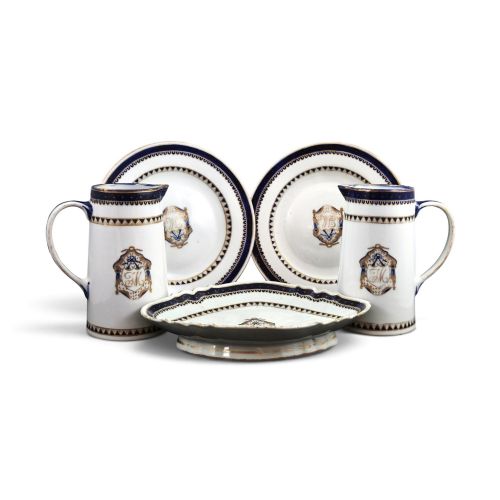
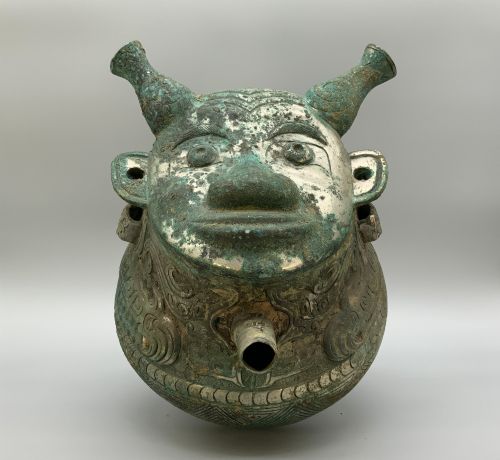
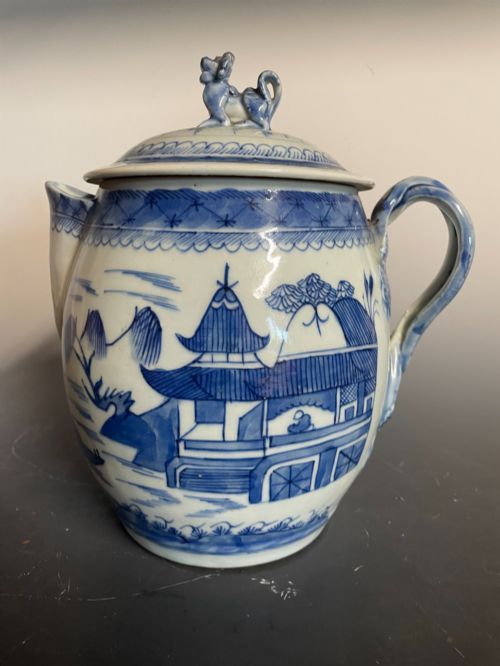
Chinese export porcelain pieces featuring monograms or famille rose decoration appear frequently alongside revival styles such as Shang Dynasty style bronze vessels and Ming style blue and white teapots. These forms bridge utilitarian serving functions and high decorative arts, reflecting both domestic Chinese tastes and objects tailored for Western export markets.
The materials range widely across these categories, including porcelain, bronze with verdigris patina, cloisonné enamel, and silver with bamboo handles. Each piece represents a specific period of manufacture, from the Kangxi and Qianlong periods of the Qing Dynasty up to Edwardian iterations.
Materials and methods
Potters and artisans utilised high-fired porcelain decorated with cobalt glaze, famille rose enamels, and aubergine glazes to create durable and visually striking ceramic vessels. Many items incorporate delicate hand-painted motifs executed during periods such as the Kangxi and Qianlong reigns.
Metalworkers employed bronze casting techniques, brass construction, and silver smithing to fashion ritual vessels and jugs. Details like verdigris patina, gold leaf, and applied bamboo handles demonstrate the integration of mixed media in these functional and ceremonial objects.
Antique Chinese Pitcher Retail Price Guide 2026
Typical asking prices for chinese pitcher among the pieces listed under this phrase on Sellingantiques today, from the lower quarter to the upper quarter. They describe what is for sale here now, not the wider market.
Listings feature porcelain, bronze, silver, and cloisonné enamel across periods spanning the seventeenth to the early twentieth century.
Judging quality and execution
The finesse of the hand-painted cobalt glaze or famille rose enamel work distinguishes superior porcelain pieces, where brushwork remains sharp and controlled. Finely potted bodies with even glazing and precise form execution reflect higher standards of production.
The Antique Chinese Pitcher Glossary
- Ewer
- A large jug with a narrow neck and a handle, typically used for pouring water or wine. These vessels often feature spouts and decorative covers.
- Kendi
- A traditional drinking vessel originating in Southeast Asia and produced in China for export, characterised by a bulbous body, a slender neck, and a side spout without a handle.
- Famille Rose
- A palette of opaque enamel colours introduced in Chinese porcelain during the Qing dynasty, dominated by pink or rose hues derived from colloidal gold.
- Cloisonné
- A metalwork technique where enamel is applied to compartments created by soldering thin wire to a metal substrate. The piece is then fired and polished to a smooth finish.
Antique Chinese Pitcher: Frequently Asked Questions
How do you date porcelain pieces?
Dating porcelain involves examining stylistic characteristics, glaze types, cobalt tones, and reign marks if present. Pieces from specific eras like the Kangxi or Qianlong periods exhibit distinct painting styles and potting techniques.
Comparing the paste texture and enamel colours against established historical periods helps determine the approximate age of the ceramic.
What are export porcelain pitchers?
Export porcelain pitchers are vessels manufactured in China specifically for trade with Western markets. They frequently incorporate European monogramming or shapes tailored to Western dining customs alongside traditional Chinese motifs.
These items highlight the cross-cultural exchange of designs during the eighteenth century and later periods.
How should I display these vessels?
These vessels suit placement in secure display cabinets or on sturdy sideboards where their forms and surface details remain visible. Adequate lighting enhances the cobalt glaze, enamels, or patinated metal surfaces.
Keeping them away from direct sunlight and high traffic areas protects fragile handles and delicate painted decoration from accidental damage.